

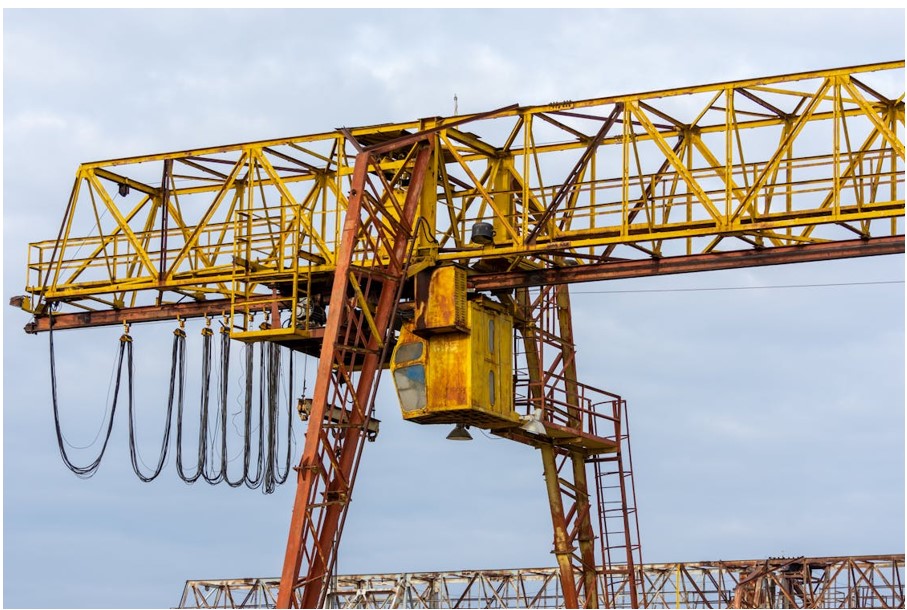
All facilities that handle heavy loads require appropriate equipment to remain safe and productive. That is why gantry cranes are involved. They assist in the easy lifting and transportation of materials, saving time and manual labour.
Not every job applies to a gantry crane. The wrong decision may slow things down and even lead to safety issues. It is the reason why businesses should have a closer look before making a decision. The process of selecting the crane does not need to be complicated. It is an easy and straightforward thing with proper guidance.
What Are Gantry Cranes and How Do They Work?
Gantry cranes are lifting systems that are mounted on legs and move on wheels or rails. They have a hoist used to raise heavy loads. They do not depend on a static building structure, unlike overhead cranes. This makes them easy to install and adjust.
Most facilities in the construction, warehouse, shipyard, and workshop sectors utilise gantry cranes. Some facilities use them for daily lifting tasks, while others employ them for specific projects. Their simple design makes them reliable and easy to operate. Simultaneously, they have a good lifting force for a wide variety of loads.
Key Factors to Consider When Choosing Gantry Cranes
Load Capacity and Lifting Requirements
Every facility has different lifting needs. Some handle light materials, while others move very heavy items. A business must know the maximum weight it plans to lift. Choosing gantry cranes with the right load capacity keeps operations safe and smooth. It also prevents strain on the equipment.
Span, Height, and Workspace Constraints
Space plays a big role in crane selection. The span refers to the width between the legs, while the height affects how high the crane can lift. A facility must measure its workspace carefully. Tight spaces need compact designs, while large areas may require wider spans. Proper sizing helps the crane move freely without causing disruption.
Mobility: Fixed vs Portable Gantry Cranes
Some gantry cranes stay in one place, while others move around. Fixed cranes suit facilities with stable workflows. Portable cranes work well for flexible operations. They allow workers to move the crane to different areas as needed. Businesses should think about how often they need to reposition the crane before making a choice.
Indoor vs Outdoor Usage
The working environment also matters. Indoor gantry cranes generally face fewer operational challenges. Outdoor cranes must withstand weather conditions such as rain, wind, and heat. Facilities should choose cranes with durable materials and protective features if they plan to use them outside. This helps extend the crane’s lifespan and keeps it reliable.
Types of Gantry Cranes Available
Full Gantry Cranes
Full gantry cranes stand on two legs and move along rails. They handle heavy loads and suit large-scale operations. Many industries use them in shipyards or construction sites where lifting demands remain high.
Semi-Gantry Cranes
Semi-gantry cranes use one leg and rely on a building structure for support on the other side. They work well in facilities with limited space. This design helps maximise available room without losing lifting power.
Portable Gantry Cranes
Portable gantry cranes offer flexibility. Workers can move them around the facility with ease. These cranes are suited to light-to-medium tasks and work well in workshops or maintenance areas. They also help when lifting needs change often.
Adjustable Gantry Cranes
Adjustable gantry cranes allow users to change the height or span. This makes them a versatile option for facilities with varied tasks. They adapt to different loads and spaces, which helps improve overall efficiency.
Benefits of Choosing the Right Gantry Cranes
- Improved operational efficiency
The right crane helps workers complete tasks faster. It reduces delays and keeps workflows smooth. - Enhanced workplace safety
Properly selected gantry cranes reduce the risk of accidents. They support stable lifting and better control. - Better load handling precision
A well-matched crane allows operators to position loads accurately. This improves quality and reduces errors. - Long-term cost savings
Choosing the right crane lowers maintenance needs and prevents damage. It also extends the equipment’s lifespan. - Increased flexibility in operations
The right setup allows a facility to handle different tasks with ease. This supports growth and changing demands.
Final Thoughts
Choosing the right gantry cranes requires careful thought, but it doesn’t have to feel overwhelming. Facilities should focus on their lifting needs, available space, and working environment. A well-informed decision leads to safer operations and better results. When a business chooses the right crane, it sets itself up for long-term success.