
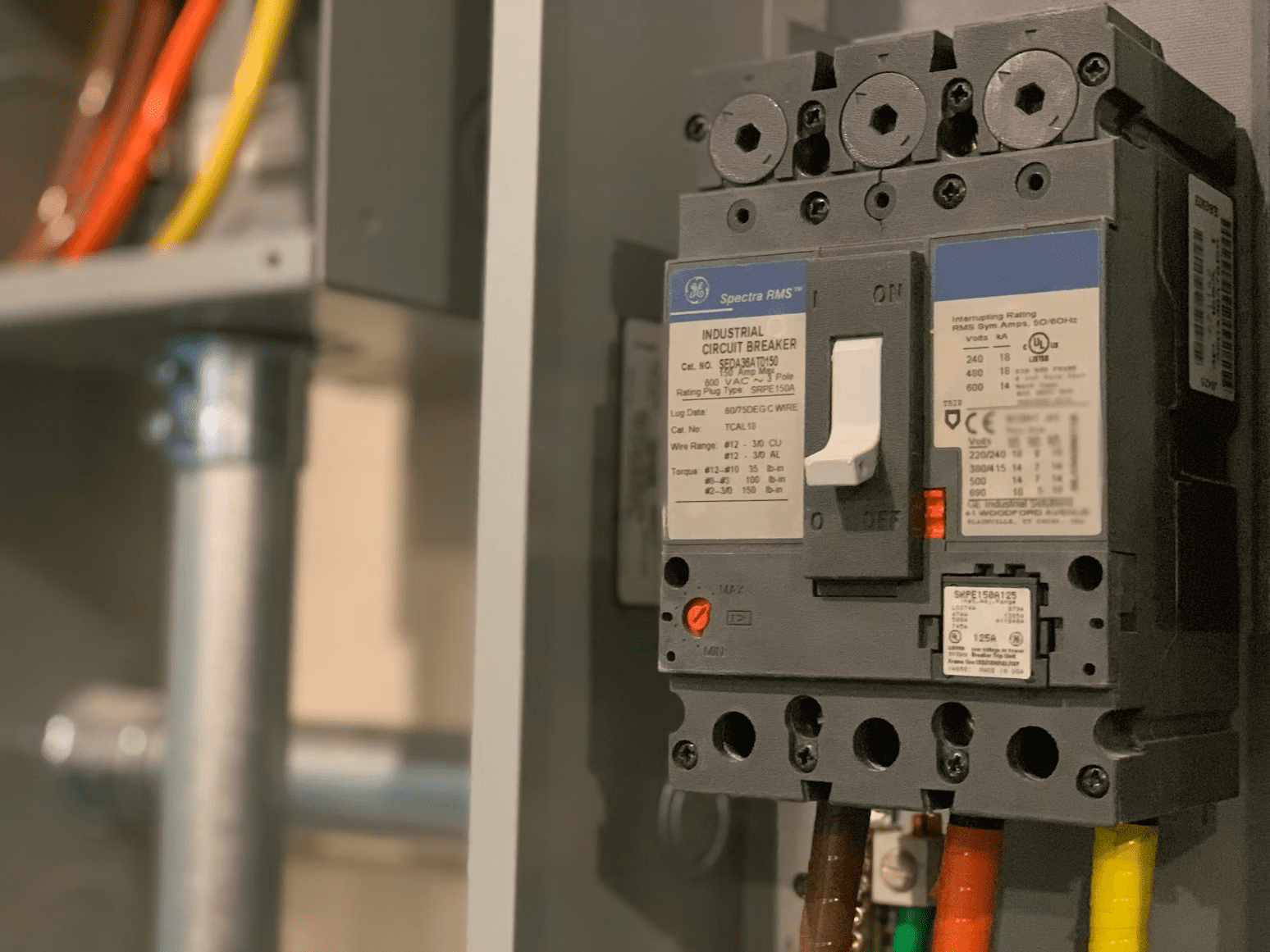
Delays and substitutions are two of the most common reasons electrical projects lose momentum. A delayed breaker panel can stall an entire installation. A substituted component can trigger a compatibility issue or inspection concern. Even small shortages—missing connectors, incorrect fittings, or the wrong cable type—can force crews to pause work and return later, increasing labor costs and extending timelines. Because of that, choosing electrical equipment distributors is one of the smartest ways to protect your schedule and reduce avoidable frustration.
The goal isn’t just to find a distributor who can sell you equipment. The goal is to find one who can deliver the right equipment on time, communicate clearly when issues arise, and support you with alternatives that meet spec when supply constraints appear. Avoiding delays and substitutions is ultimately about process, transparency, and partnership.
Why delays happen even when orders look “confirmed”
Many delays come from inventory visibility gaps. Some distributors show products as available when stock levels are uncertain or spread across multiple warehouses. Others rely heavily on manufacturer shipping timelines without explaining that the lead time is an estimate rather than a guarantee. As a result, buyers place an order believing the parts are on the way, only to discover later that a key item is backordered.
A smart approach is to ask electrical equipment distributors to confirm whether items are physically in stock locally, in a regional warehouse, or dependent on manufacturer lead times. This simple distinction can prevent false certainty. A distributor who is honest about where inventory sits and how quickly it can move is far less likely to surprise you later.
How substitutions create risk and rework
Substitutions are not always bad. Sometimes an equivalent item can meet the same specification and keep a project on schedule. The problem is silent or poorly communicated substitutions. If a distributor swaps a product without explicit approval, you may receive items that don’t match the intended application, brand requirements, or compliance expectations. That can trigger rework, rejected installs, or delays during inspection.
The best electrical equipment distributors handle substitutions transparently. They confirm proposed alternatives before shipping, provide documentation, and explain any differences that matter. This is especially important for components tied to system compatibility, rated performance, or code compliance. A distributor who treats substitutions as a controlled decision instead of a quick fix protects your project far more effectively.
The smart evaluation approach: test the distributor before you depend on them
One of the most practical ways to avoid delays and substitutions is to evaluate distributors using real-world tests. Before placing a major order, run a smaller set of common items through the distributor and observe the experience. Did they ship quickly? Were items correct? Did tracking and communication feel clear? If an item was unavailable, did they communicate early and offer approved alternatives?
This kind of test reveals operational discipline. Strong distributors perform consistently even on small orders because their processes are stable. Weak distributors reveal their weaknesses quickly through slow responses, unclear lead times, or order errors.
Building your ordering process to reduce risk
Avoiding delays and substitutions isn’t only about the distributor; it’s also about how you order. Clear part numbers, quantities, and specifications reduce confusion. Providing a bill of materials early helps distributors spot long-lead items before they become emergencies. Confirming acceptable substitutions in advance, when possible, can speed decision-making later without risking compliance.
Many teams also reduce risk by standardizing preferred brands and approved alternatives. When your organization has clear standards, electrical equipment distributors can support you more effectively, because they know what substitutions are acceptable and what is not.
Why communication and account support matter
The best distributors often provide dedicated account support, and this can be a major advantage. When you have a consistent contact who understands your purchasing patterns, it becomes easier to forecast needs, reserve stock, and resolve issues quickly. This is particularly valuable for contractors managing multiple job sites or facilities teams supporting multiple buildings.
Communication also matters for proactive updates. If a distributor flags a supply constraint early, you can adjust scheduling or approve an alternative before crews are waiting. That early warning can be the difference between a smooth job and a costly delay.
Closing thoughts
Choosing electrical equipment distributors is one of the smartest ways to prevent delays and avoid risky substitutions. The right distributor provides accurate inventory visibility, realistic lead times, transparent substitution approval, and consistent communication. When you test distributors with real orders, prioritize those who confirm stock locations clearly, and build a purchasing process that reduces ambiguity, you protect both your schedule and your compliance requirements. In electrical work, reliability is value. A distributor who consistently delivers the right products on time doesn’t just save you money—they save your team time, reduce rework, and keep projects moving forward with confidence.
