
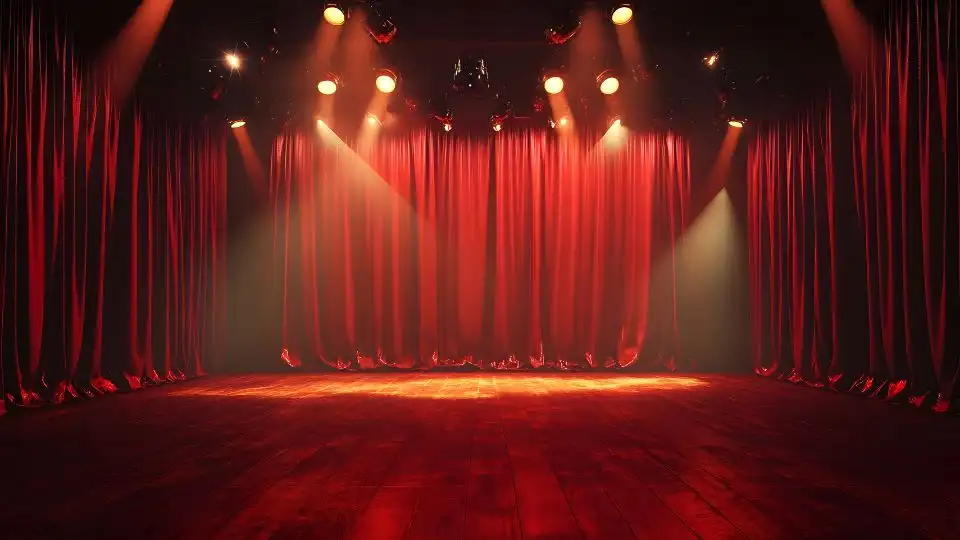
Planning a wedding, party, or entertainment event? You might be thinking about decorations, food, and music. However, there’s one element that can make or break your event’s atmosphere. That element is lighting.
Stage lighting does more than just brighten up a room. It creates mood, highlights important moments, and transforms ordinary spaces into magical venues. Whether you’re hosting an intimate wedding or a large-scale concert, understanding your lighting options will help you create an unforgettable experience.
Why Stage Lighting Matters
Think about the last great event you attended. Chances are, the lighting played a huge role in making it memorable. Good lighting sets the tone before anything else happens. It draws attention where you want it and creates the perfect backdrop for photos.
For weddings, soft romantic lighting can make the venue feel warm and intimate. On the other hand, parties need energetic, colorful lights that get people dancing. Entertainment events require precise lighting that highlights performers while keeping the audience engaged.
The right lighting also affects how people feel. Warm tones make guests feel relaxed and comfortable. Meanwhile, cooler tones create a modern, sophisticated vibe. Dynamic lighting that changes throughout the event keeps things interesting and prevents the atmosphere from feeling stale.
Understanding Different Types of Stage Lights
Walking into a lighting store can feel overwhelming. There are so many options available. Let’s break down the most common types you’ll encounter.
Traditional spotlights remain popular for good reason. They provide focused beams that highlight specific areas or people. These work wonderfully for wedding ceremonies, keeping all eyes on the couple during their special moments.
Moving head lights have revolutionized the industry. Unlike fixed lights, these can pan, tilt, and change colors automatically. A quality profile moving head can create stunning effects that would require multiple traditional lights. These versatile fixtures are favorites among event planners because they adapt to different needs throughout an event.
Wash lights flood larger areas with color. They’re perfect for creating background ambiance or bathing entire stages in your chosen color scheme. Many modern wash lights use LED technology, which means they run cooler and use less energy than older options.
Beam lights create those dramatic shafts of light you see cutting through the air at concerts. Working with reputable moving head beam light manufacturers ensures you get reliable equipment that produces sharp, powerful beams. These lights are spectacular for entertainment events and high-energy parties.
Choosing the Right Equipment
Selecting lighting equipment requires careful consideration. First, think about your venue size. A small wedding reception needs different lighting than a concert hall. Measure your space and consider ceiling height, as this affects which fixtures will work best.
Next, consider your budget. Quality lighting equipment represents an investment. However, working with established stage lighting suppliers often provides better value than buying the cheapest options available. Good suppliers offer reliable products, technical support, and sometimes rental options for one-time events.
Think about your technical expertise too. Some lighting systems require professional operation, while others come with user-friendly controls. For simple events, you might handle the lighting yourself. Larger productions typically benefit from hiring a lighting technician who knows how to maximize your equipment’s potential.
Don’t forget about power requirements. Stage lights can draw significant electricity, especially older halogen models. Make sure your venue can handle the load. Furthermore, LED lights offer an excellent alternative, using less power while providing brighter output and more color options.
Planning Your Lighting Design
Creating an effective lighting design starts with understanding your event’s flow. Map out different moments that need special attention. For weddings, this includes the ceremony, first dance, and cake cutting. Parties might focus on the dance floor and entertainment areas.
Layer your lighting for best results. Start with ambient lighting that provides overall visibility. Then add accent lighting to highlight specific features like floral arrangements or architectural details. Finally, incorporate dynamic lighting for entertainment and dancing.
Color choice matters tremendously. Research color psychology to understand how different hues affect mood. Purple creates mystery and elegance. Meanwhile, warm amber tones feel cozy and inviting. Blue brings calm and sophistication, while red energizes and excites.
Timing is equally important. Lighting should evolve throughout your event. Start with brighter, welcoming lights as guests arrive. Gradually shift to more dramatic, colorful lighting as the party progresses. This progression keeps the energy building naturally.
Working with Professionals
Even with great equipment, professional help can elevate your event. Experienced lighting designers understand how to use equipment creatively. They know tricks for making small venues feel larger and large venues feel intimate.
Professional technicians also handle technical challenges quickly. If something goes wrong, they can troubleshoot and fix issues before guests notice. This peace of mind is invaluable, especially for once-in-a-lifetime events like weddings.
When hiring professionals, check their portfolio first. Look for events similar to yours in size and style. Ask about their experience with your specific venue type. Additionally, discuss your vision clearly and see how they respond to your ideas.
Making It All Come Together
Great stage lighting transforms events from ordinary to extraordinary. By understanding your options and planning carefully, you can create the perfect atmosphere for your celebration. Remember that lighting works together with other elements like music, decorations, and venue layout.
Start planning early to ensure you get the equipment and professionals you need. Popular stage lighting suppliers book up quickly, especially during peak wedding and event seasons. Research your options, compare prices, and read reviews before making decisions.
For more detailed information about professional stage lighting solutions, you can visit https://www.xmlitelighting.com. They offer comprehensive resources and expert guidance for all your lighting needs.
Your event deserves lighting that matches its importance. With proper planning and the right equipment, you’ll create an atmosphere that guests remember long after the celebration ends.
