
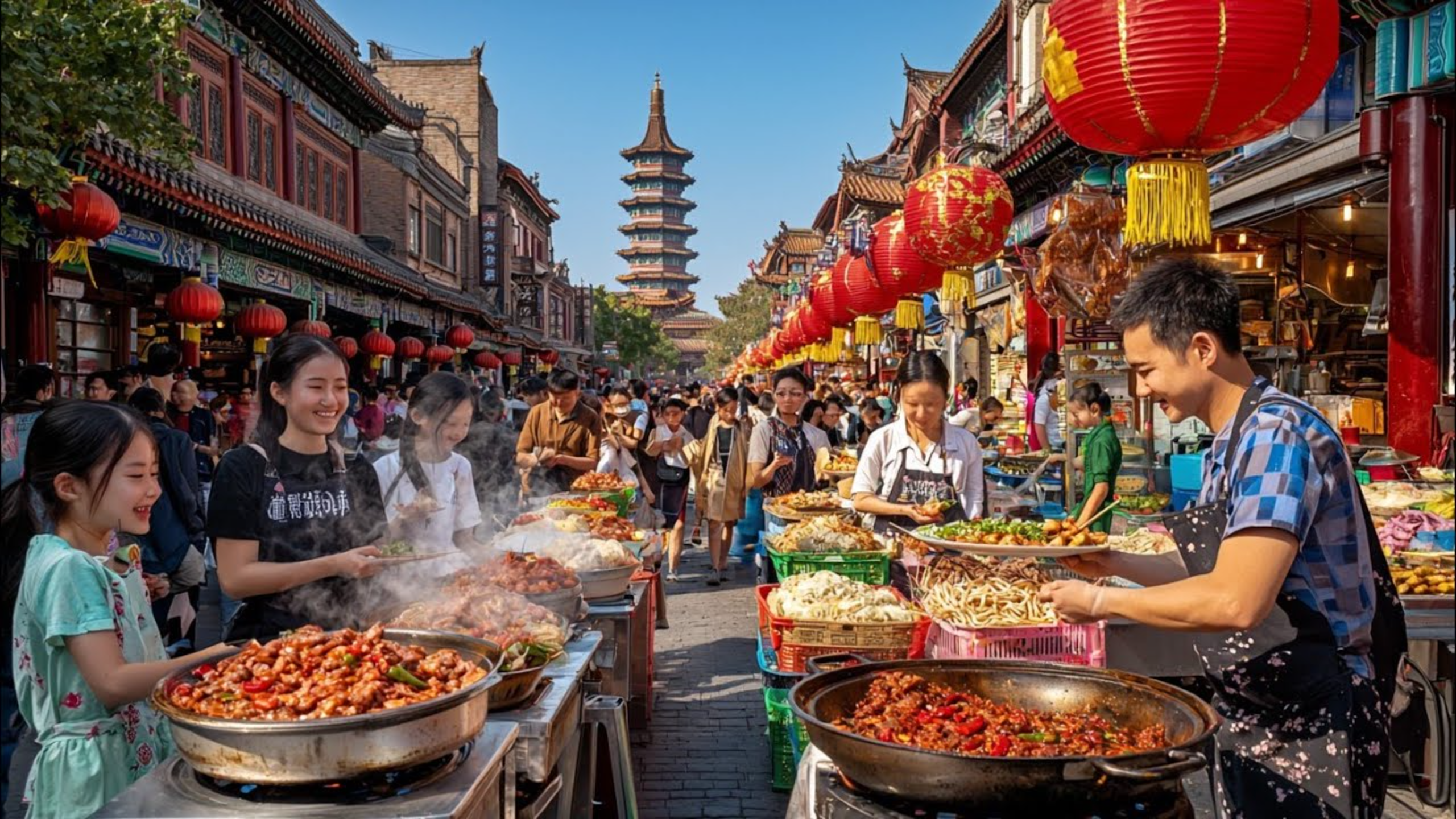
When it comes to exploring the culinary world, nothing compares to the vibrant and diverse flavors of Chinese street foods. From bustling night markets in Beijing to small stalls in Shanghai and Chengdu, street food in China reflects culture, tradition, and innovation. With a mix of sweet, spicy, savory, and aromatic dishes, Chinese street foods have become a global sensation, attracting not only locals but also food lovers from around the world.
Why Chinese Street Foods Are So Popular
The charm of Chinese street foods lies in their authenticity and variety. These dishes are often prepared fresh in front of customers, allowing them to enjoy hot and sizzling meals within minutes.
Chinese street foods are not just snacks—they represent centuries-old traditions and regional diversity. Every province in China has its own specialty, offering a unique food adventure to those who love trying new flavors.
Must-Try Chinese Street Foods
If you’re planning to explore or write about Chinese street foods, here are some famous dishes you shouldn’t miss:
1. Jianbing (Chinese Crepes)
One of the most popular breakfast street foods, Jianbing is a savory crepe made with flour, egg, scallions, and crispy fried crackers. It’s filled with sauces, chili paste, and sometimes meat, making it a flavorful start to the day.
2. Baozi (Steamed Buns)
Soft, fluffy steamed buns filled with pork, chicken, or vegetables are a staple in Chinese street foods. These buns are loved for their juicy filling and portable convenience.
3. Tanghulu (Sugar-Coated Fruits)
Tanghulu is a sweet treat made by skewering fruits like hawthorn, strawberries, or grapes and coating them in hardened sugar syrup. It’s crunchy, colorful, and irresistible.
4. Stinky Tofu
A unique yet beloved snack, stinky tofu has a strong smell but a deliciously crispy outside and soft inside. Often deep-fried and served with chili sauce, it is a classic street food in China.
5. Rou Jia Mo (Chinese Hamburger)
Often called the “Chinese burger,” this dish features a crispy flatbread stuffed with slow-cooked, spiced meat. It’s filling, flavorful, and perfect for street dining.
6. Chuan’r (Grilled Meat Skewers)
Popular in northern China, these skewers of lamb, chicken, or beef are seasoned with cumin, chili powder, and spices, then grilled to perfection.
The Cultural Significance of Chinese Street
Foods
Street food in China is not only about taste—it’s a way of life. Families, students, and travelers often gather around food stalls, enjoying affordable meals while socializing. Many traditional recipes have been passed down through generations, making Chinese street foods a cultural treasure.
Moreover, these foods represent the diversity of China. For example:
Sichuan is famous for spicy street snacks.
Beijing offers iconic Jianbing and Peking-style snacks.
Shanghai specializes in soup dumplings (Xiaolongbao).
This regional variety makes Chinese street foods exciting for locals and tourists alike.
Health Aspects of Chinese Street Foods
While many people enjoy the rich flavors, some may worry about the health factor. The good news is that many Chinese street foods are prepared with fresh ingredients and cooked on the spot. Steamed buns, grilled skewers, and fruit-based snacks can be healthy options. However, deep-fried and heavily spiced foods should be enjoyed in moderation.
Tips for Enjoying Chinese Street Foods
Look for Busy Stalls: Popular stalls usually serve fresher food due to high demand.
Try Regional Specialties: Each city has unique flavors—don’t miss them
Balance Your Choices: Mix fried snacks with lighter options like dumplings or fruits.
Be Adventurous: Some street foods may look unusual, but they often surprise you with incredible taste.
Chinese Street Foods Around the World
Due to globalization, Chinese street foods are no longer limited to China. Many countries, including the United States, UK, and Pakistan, now have food festivals and night markets where vendors sell authentic Chinese snacks. This international love for Chinese street foods shows how powerful and influential these dishes have become.