
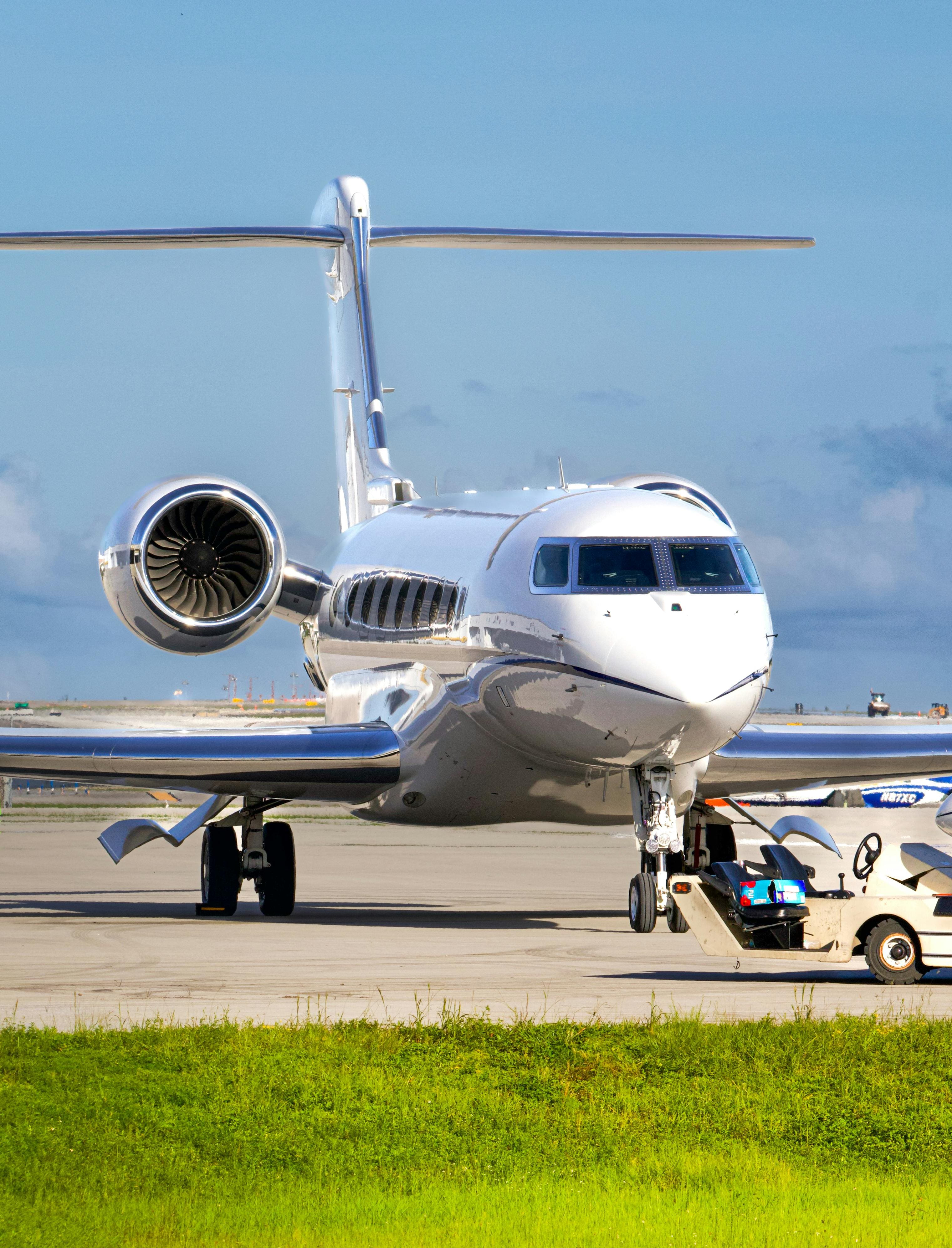
Private jet charters aren’t just for billionaires anymore. What was once considered an exclusive luxury has transformed into a practical business tool that companies across the spectrum use to boost productivity and streamline operations. But here’s the thing. Understanding what you’re actually paying for goes beyond looking at a simple hourly rate. The true cost of chartering a jet involves multiple layers, from base fees to hidden expenses that can catch first, time charterers off guard. When business leaders grasp these nuances, they’re better equipped to determine whether private aviation makes sense for their organization’s specific needs and budget. Let’s break down the real costs involved so your company can make smart, informed decisions about private jet travel.
Base Charter Rates and Aircraft Categories
Think of aircraft selection like choosing between economy and first class, except the price differences are far more dramatic. Light jets, which comfortably seat four to eight passengers, typically run between $2, 500 and $5, 000 per flight hour. These nimble aircraft work beautifully for regional hops that don’t exceed three hours. Step up to midsize jets, and you’re looking at $4, 000 to $8, 000 hourly, with enhanced cabin space that accommodates six to nine passengers and enough range for coast-to-coast journeys.
Operational Expenses and Surcharges
Here’s where things get interesting, and potentially expensive. Landing fees vary wildly depending on where you’re touching down. A major metropolitan airport might charge anywhere from $500 to several thousand dollars per landing, while that small regional airstrip may barely register on your invoice. Fuel surcharges create another moving target, fluctuating with market conditions and potentially adding 10-30% to your base rate.
Positioning and Ferry Costs
Let’s talk about one of the most misunderstood aspects of charter pricing, positioning flights. Imagine you’re in Chicago, but the perfect aircraft for your needs is based in Dallas. That plane needs to fly empty to reach you, and you’re typically paying the same hourly rate for that deadhead’s leg. It’s not the most pleasant surprise for first-time charterers.
Membership Programs and Volume Discounts
Charter operators have developed various membership structures that appeal to businesses with consistent private aviation needs. Jet card programs require upfront deposits, think $100, 000 to $250, 000 or more, but they lock in predetermined hourly rates that won’t fluctuate when fuel prices spike or demand surges. These programs typically guarantee aircraft availability with 24-48 hours’ notice and eliminate worries about repositioning fees or peak-day surcharges. When evaluating charter options, professionals who need to budget accurately for multiple business trips often rely on a private jet cost estimator for business to understand comprehensive pricing across different aircraft categories and route combinations. Volume-based agreements reward commitment, offering 5-15% discounts for businesses that guarantee minimum annual flight hours while maintaining flexibility in aircraft selection. Some operators structure tiered memberships where larger commitments unlock progressively better pricing, priority booking, and complimentary services. Block charter arrangements let companies purchase specific flight hour packages at discounted rates, typically delivering 10-20% savings when committing to 25 hours or more annually. Deciding between these options requires honest evaluation of your projected travel frequency, typical routes, and whether rate certainty or complete flexibility matters more to your business model.
Tax Considerations and Expense Management
Taxes might not be the most exciting topic, but they significantly impact your true charter costs. The Federal Excise Tax adds 7. 5% to domestic private charter flights within the United States, applied to your total charter cost including all applicable fees. The good news? Businesses can deduct private jet charter expenses as ordinary and necessary business expenses when flights serve legitimate business purposes, though you’ll need to carefully allocate any personal use components to stay compliant.
Comparing Charter Costs to Aircraft Ownership
Should you charter or buy? It’s a question many growing businesses eventually face as their travel needs increase. Whole aircraft ownership involves substantial capital expenditures, anywhere from $3 million for light jets to over $70 million for ultra-long-range aircraft. Then come the ongoing operating costs: crew salaries, insurance premiums, maintenance schedules, hangar fees, and management expenses that typically consume 15-25% of the aircraft’s purchase price annually. Fractional ownership programs offer a middle ground, allowing companies to purchase shares representing specific usage hours.
Conclusion
Chartering a private jet involves far more financial considerations than a simple hourly rate might suggest. From operational expenses and positioning costs to tax implications and strategic program choices, the complete picture requires thorough analysis. But here’s what matters most: businesses that understand these cost components can budget accurately, identify genuine savings opportunities through volume commitments and strategic scheduling, and select membership programs that align with their travel patterns. When you break down charter pricing transparently, it becomes clear when private jet travel delivers superior value compared to commercial alternatives or ownership models. As more companies recognize the productivity advantages and operational flexibility that private aviation provides, informed cost management separates strategic investments from unnecessary expenses. By approaching charter decisions with comprehensive pricing knowledge, your company can leverage private jet travel as an effective business tool rather than viewing it as an indulgence. The key isn’t just flying privately, it’s flying smart.