
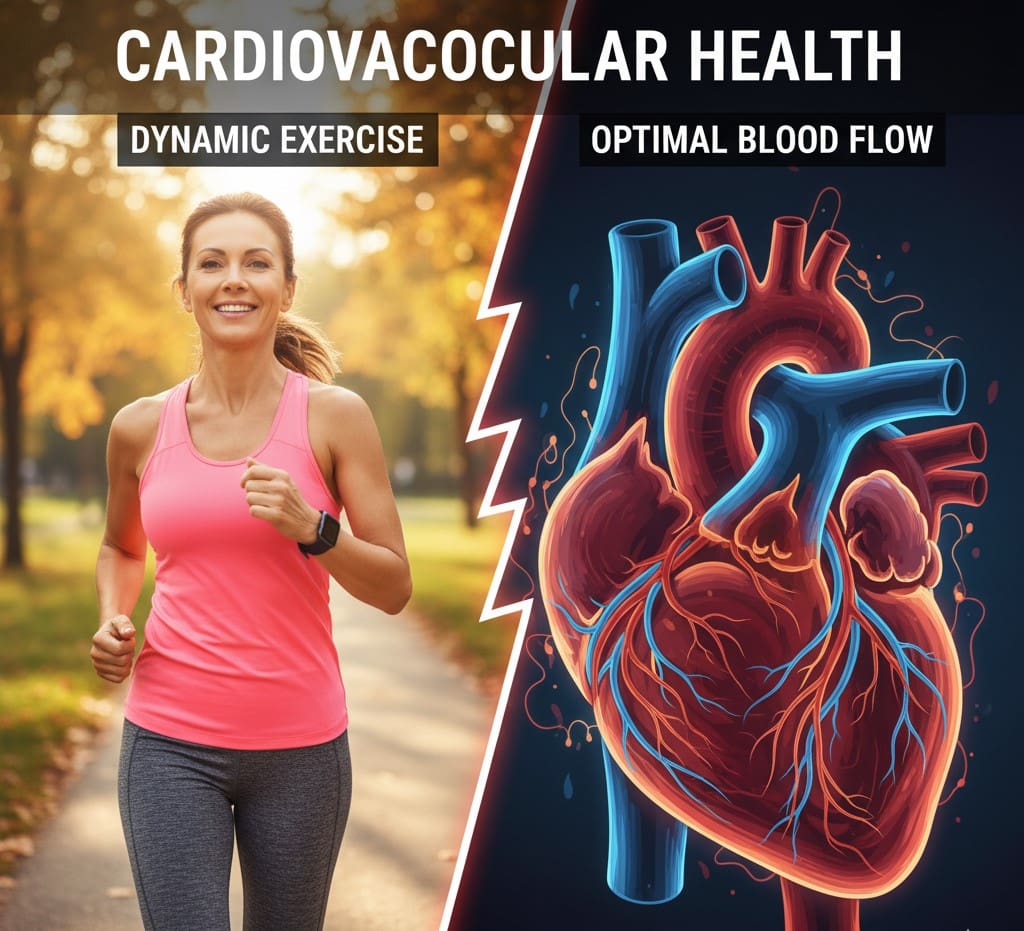
Your Heart Deserves Better—Here’s How Cardio Can Help
Let’s be honest: when was the last time you really thought about your heart? Not the romantic, emoji version, but the actual muscle working tirelessly in your chest right now—pumping blood, delivering oxygen, keeping you alive with every single beat.
Here’s a sobering reality: heart disease remains the leading cause of death globally, claiming over 17 million lives annually. But here’s the empowering part: you have incredible power to change your heart’s destiny. Cardiovascular exercise isn’t just about fitting into your favorite jeans or posting gym selfies—it’s about giving your heart the workout it needs to keep you thriving for decades to come.
Whether you’re a complete beginner wondering if a daily walk counts (spoiler: it absolutely does!) or someone looking to optimize their cardio routine, this guide will walk you through everything you need to know about strengthening the most important muscle in your body.
What Exactly Is Cardiovascular Exercise?
Before we dive into the benefits, let’s get clear on what we’re talking about. Cardiovascular exercise—often called cardio or aerobic exercise—is any activity that elevates your heart rate and keeps it elevated for an extended period. The key word here is “aerobic,” meaning your body uses oxygen to fuel the activity.
Think of activities like:
- Brisk walking or jogging
- Swimming laps
- Cycling (outdoor or stationary)
- Dancing
- Rowing
- Jump rope
- Playing basketball or tennis
What makes these activities different from, say, lifting weights? During cardio, your heart pumps faster, your breathing deepens, and your cardiovascular system works overtime to deliver oxygen-rich blood to your working muscles. This sustained effort is what creates those incredible heart health benefits we’re about to explore.
The Remarkable Ways Cardio Transforms Your Heart
Your Heart Becomes a Powerhouse
Here’s something fascinating: regular cardiovascular training literally remodels your heart muscle. When you consistently challenge your cardiovascular system, your heart adapts by becoming stronger and more efficient. This process, called cardiac adaptation, means your heart can pump more blood with each beat—a measurement called stroke volume.
Think of it like upgrading from a small water pump to an industrial-strength one. A trained heart might beat 50-60 times per minute at rest, while an untrained heart might need 70-80 beats to do the same job. That’s thousands fewer beats per day, millions fewer per year. Your heart is literally working smarter, not harder.
This increased cardiac output means better oxygen delivery to every cell in your body, which translates to more energy for everything you do—from climbing stairs to playing with your kids to crushing that afternoon work deadline.
Blood Pressure Gets a Natural Reset
If you’ve been told your blood pressure is creeping up, cardiovascular exercise might be the most powerful “medication” you’re not taking. Regular aerobic activity acts like a natural blood pressure regulator, reducing both systolic (the top number) and diastolic (the bottom number) pressure.
How does this work? During cardio, your blood vessels dilate to accommodate increased blood flow. Over time, this repeated dilation improves arterial elasticity, making your blood vessels more flexible and less resistant to blood flow. Additionally, exercise helps reduce arterial stiffness and decreases the hormones that constrict blood vessels.
Research shows that consistent moderate-intensity cardio can lower blood pressure by 5-7 mmHg on average—comparable to some blood pressure medications, but without the side effects. For someone with prehypertension, this reduction could mean the difference between needing medication or managing blood pressure through lifestyle alone.
Cholesterol Levels Move in the Right Direction
Let’s talk about cholesterol—specifically, how cardio exercise acts like a cleanup crew for your bloodstream. Regular aerobic activity creates a favorable shift in your lipid profile by increasing HDL (the “good” cholesterol that escorts harmful cholesterol out of your arteries) while decreasing LDL (the “bad” cholesterol that can build up as plaque) and triglycerides.
The mechanism is elegant: during cardiovascular exercise, your muscles demand more energy, which triggers the breakdown of stored fats. This increased fat metabolism improves how your body processes cholesterol. Studies show that moderate-intensity cardio can increase HDL by 5-10% while reducing LDL and triglycerides by similar percentages.
These changes significantly reduce your risk of atherosclerosis—the hardening and narrowing of arteries that leads to heart attacks and strokes. Think of cardio as your arterial scrubbing system, keeping those highways clear and flowing smoothly.
Circulation Gets a Major Upgrade
One of the most remarkable cardiovascular adaptations to regular exercise is increased capillary density. Capillaries are tiny blood vessels that deliver oxygen and nutrients to your tissues. When you exercise consistently, your body responds by growing new capillaries—a process called angiogenesis.
More capillaries mean better circulation throughout your entire body, which translates to improved nutrient delivery, faster waste removal, better temperature regulation, and enhanced recovery. This is why regular exercisers often notice they don’t get as cold in winter and have healthier-looking skin—their circulation is simply more efficient.
This improved vascular function also means lower risk of peripheral artery disease, better wound healing, and reduced risk of blood clots. Your cardiovascular system becomes a well-oiled machine, humming along efficiently even when you’re at rest.
Heart Disease Risk Drops Dramatically
Here’s the big one: regular cardiovascular exercise can reduce your risk of developing coronary artery disease by 30-40%. That’s a substantial reduction that puts you in control of your heart health destiny.
The protective effects work through multiple pathways:
- Reduced inflammation throughout your vascular system
- Prevention of arterial plaque buildup
- Improved endothelial function (the inner lining of blood vessels)
- Better management of other risk factors like diabetes and obesity
- Reduced likelihood of dangerous blood clots
Even if you already have heart disease risk factors—family history, high blood pressure, or elevated cholesterol—cardiovascular exercise can significantly modify your risk trajectory. It’s never too late to start protecting your heart.
Beyond Your Heart: The Bonus Benefits
While we’re focused on cardiovascular health, it would be a crime not to mention the incredible whole-body benefits that come along for the ride when you commit to regular cardio.
Weight Management Made Sustainable: Cardiovascular exercise burns significant calories both during your workout and afterward through increased metabolic rate. A 30-minute moderate-intensity cardio session might burn 200-400 calories depending on your weight and intensity. But here’s the kicker—cardio also improves your body’s ability to utilize fat as fuel, making weight management more sustainable long-term.
Mental Health Gets a Boost: The mood-enhancing effects of cardiovascular exercise rival many antidepressant medications. During cardio, your brain releases endorphins, serotonin, and dopamine—your natural feel-good chemicals. Regular exercisers report reduced anxiety, better stress management, improved sleep quality, and enhanced cognitive function. Some researchers call it the “runner’s high,” but you don’t need to run to experience it.
Energy Levels Soar: It sounds counterintuitive—expending energy to gain energy—but regular cardio increases mitochondrial density in your cells. Mitochondria are your cellular power plants, and more of them means more energy production capacity. You’ll notice improved stamina not just during exercise, but throughout your entire day.
Getting Started: Your Practical Cardio Roadmap
How Much Cardio Do You Actually Need?
The American Heart Association provides clear, evidence-based guidelines: aim for at least 150 minutes of moderate-intensity aerobic exercise or 75 minutes of vigorous-intensity exercise per week. Let’s break that down:
Moderate intensity means you can talk but not sing during the activity—think brisk walking, leisurely cycling, or water aerobics. This works out to just 30 minutes, five days a week. Totally doable, right?
Vigorous intensity means you can only speak a few words without pausing for breath—like running, fast cycling, or swimming laps. This requires less time commitment but more effort.
Here’s the beautiful part: some cardio is always better than none. If 150 minutes feels overwhelming, start with 10 minutes three times a week and build from there. Every step counts toward better heart health.
Best Cardiovascular Exercises for Beginners
If you’re just starting your cardio journey, these low-barrier activities offer excellent heart health benefits without overwhelming your system:
Walking: The most underrated exercise on the planet. Start with a 10-15 minute daily walk at a comfortable pace, gradually increasing duration and speed. Walking requires no equipment, has minimal injury risk, and provides substantial cardiovascular benefits when done consistently.
Swimming: Perfect for those with joint concerns or injuries. The water provides natural resistance while supporting your body weight. Even a gentle swim engages your entire cardiovascular system effectively.
Cycling: Whether outdoor or on a stationary bike, cycling offers controllable intensity and is easy on the joints. Start with flat terrain or low resistance and progress gradually.
Elliptical Training: Available at most gyms, elliptical machines provide a smooth, low-impact cardio workout that mimics running without the joint stress.
The key is choosing something you actually enjoy. Consistency beats intensity every time when it comes to long-term heart health.
Understanding Your Heart Rate Zones
To maximize cardiovascular benefits while exercising safely, it helps to understand heart rate zones. First, calculate your maximum heart rate: subtract your age from 220. For example, if you’re 40 years old, your estimated maximum is 180 beats per minute (220 – 40 = 180).
For general heart health, target the moderate-intensity zone: 50-70% of your maximum heart rate. Using our example, that’s 90-126 bpm. This is where you’ll spend most of your cardio time when building cardiovascular endurance.
If you don’t have a heart rate monitor, use the “talk test”: during moderate-intensity cardio, you should be able to hold a conversation but not sing. If you can barely speak, you’re in the vigorous zone. If you can sing comfortably, increase your intensity.
Safety First: Listen to Your Heart (Literally)
While cardiovascular exercise is incredibly beneficial, it’s important to approach it intelligently. If you’re over 40, have been sedentary for a long time, or have any cardiovascular risk factors (high blood pressure, high cholesterol, diabetes, family history of heart disease), consult your doctor before starting a new exercise program.
Red flags that require immediate attention:
- Chest pain, pressure, or tightness during or after exercise
- Severe shortness of breath disproportionate to effort
- Dizziness, lightheadedness, or fainting
- Irregular heartbeat or palpitations
- Pain radiating to your jaw, arm, or back
These symptoms require emergency medical evaluation. Your heart will give you signals—make sure you’re listening.
Start conservatively, especially if you’re new to exercise. It’s far better to do too little initially and build gradually than to overdo it and get injured or burned out. Remember: this is a lifestyle change, not a sprint.
Your Heart Health Journey Starts Now
Here’s what I want you to take away from this: your heart is remarkably adaptable, resilient, and responsive to the care you give it. Every cardio session is an investment in a stronger heart, clearer arteries, better circulation, and ultimately, a longer, more vibrant life.
You don’t need to become a marathon runner or spend hours at the gym. A daily 30-minute walk, a few swim sessions per week, or dancing to your favorite music in your living room—all of these count. The magic isn’t in the specific activity; it’s in the consistency.
Your heart has been beating for you since before you were born, never taking a break, never asking for much. Maybe it’s time to return the favor. Start small, stay consistent, and watch as your cardiovascular fitness—and your entire quality of life—transforms.
The best time to start was yesterday. The second best time is right now. What cardio activity will you try this week?
Frequently Asked Questions
How quickly will I see heart health improvements from cardio exercise?
You can start experiencing benefits faster than you might think! Initial improvements like reduced resting heart rate may appear within 2-4 weeks of consistent exercise. Blood pressure reductions typically occur within 4-8 weeks, while more significant changes like improved cholesterol levels and enhanced cardiovascular endurance usually manifest after 8-12 weeks. Some benefits, like improved mood and energy, can be felt after just a single workout. The timeline varies based on your starting fitness level, exercise frequency, and intensity, but the key is consistency—the most dramatic improvements come from making cardio a permanent lifestyle habit.
Is 30 minutes of walking enough cardio for heart health?
Absolutely! Thirty minutes of brisk walking (at a pace where you can talk but not sing comfortably) meets the American Heart Association’s guidelines for moderate-intensity cardiovascular exercise when done five days per week. Research consistently shows that regular walking provides substantial cardiovascular protection, including reduced risk of heart disease, lower blood pressure, and improved cholesterol levels. While more intense exercise provides additional benefits in less time, the key is meeting the minimum threshold consistently. A daily 30-minute walk is significantly better for your heart than occasional intense workouts. If your schedule is tight, even breaking it into three 10-minute walks throughout the day provides similar benefits.
Can I do cardio every day, or do I need rest days?
It depends on intensity. Low to moderate-intensity cardio like walking, light cycling, or leisurely swimming can be safely performed daily and actually offers cumulative heart health benefits. However, high-intensity cardio workouts require rest days for proper recovery. A balanced approach might include 3-4 days of moderate to vigorous cardio, 2-3 days of light active recovery (gentle walking, yoga), and 1-2 complete rest days per week. This pattern allows cardiovascular adaptation while preventing overtraining. Warning signs you need more rest include elevated resting heart rate, persistent fatigue, decreased performance, or trouble sleeping. Listen to your body—consistency over months and years matters more than perfection each week.
What’s the best cardio exercise for burning fat while improving heart health?
The honest answer: the one you’ll actually do consistently. That said, exercises that engage large muscle groups and can be sustained for extended periods are most effective. Running, swimming, cycling, and rowing are excellent calorie burners that also provide superior cardiovascular benefits. High-intensity interval training (HIIT) offers time efficiency by burning significant calories in shorter sessions while dramatically improving cardiovascular fitness. However, for sustainable fat loss and long-term heart health, moderate-intensity steady-state cardio you enjoy is often more effective than intense exercise you dread. Variety also helps—mixing different cardio activities prevents boredom, works different muscle groups, and keeps your cardiovascular system adapting.
Can cardiovascular exercise help if I already have high blood pressure or heart disease?
Yes, with proper medical supervision. Exercise is actually considered essential therapy for many heart conditions and is a cornerstone of cardiac rehabilitation programs. Regular cardio can lower blood pressure as effectively as some medications, strengthen heart function, and significantly improve prognosis for heart disease patients. However, if you have diagnosed cardiovascular conditions, you must work with your healthcare provider to determine safe intensity levels and receive proper monitoring. Your doctor may recommend an exercise stress test first to identify any complications. Start conservatively under professional guidance—cardiac rehab programs typically begin with just 5-10 minutes of low-intensity activity and progress gradually. Never start exercising with known heart disease without medical clearance, but know that with appropriate precautions, exercise becomes powerful medicine.
