

Did you know that Germany remains the primary source for high-quality used vehicles in the Baltic region, with thousands of cars crossing the border every single month? While the German market offers superior vehicle specifications and maintenance histories, the journey home is where many buyers face their biggest risks.
The challenge lies in navigating a complex international supply chain that involves legal paperwork, specialized equipment, and cross-border insurance regulations. A single mistake in choosing your logistics partner can turn a smart investment into a financial headache involving damaged bodywork or lost documentation.
Understanding the nuances of car transport Germany to Latvia is critically important for both private buyers and professional dealers. This guide will provide you with the roadmap needed to manage the logistics, insurance, and safe delivery of your next vehicle with total peace of mind.
What is Professional Car Transport and Why Should You Pay Attention?
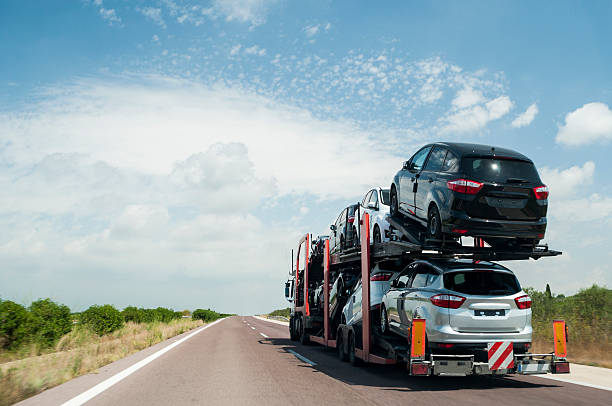
Professional vehicle transport is a specialized logistics service that utilizes multi-car haulers (autotransporters) to move vehicles across international borders. It is a highly regulated industry governed by international conventions designed to protect the cargo and the carrier.
In the modern context, sourcing a vehicle from Germany is often a strategic business or personal decision. Whether it is a premium sedan from Munich or an electric SUV from Berlin, the reliability of the transport link is what ensures the value of the asset is preserved.
Paying attention to car transport Germany to Latvia is vital because it involves the “CMR Convention.” This is the legal framework that defines the carrier’s liability and the insurance requirements for international road freight. Without a clear understanding of these terms, you might find yourself under-insured during a long-distance transit.
Common Mistakes to Avoid During International Vehicle Logistics
Navigating the German-Latvian transit route requires more than just finding a truck with an empty slot. Avoid these common pitfalls to protect your purchase:
- Ignoring CMR Insurance Limitations: Many buyers assume any “insurance” covers the full value of the car. In reality, standard CMR insurance is calculated by weight, which may not cover the full cost of a high-end luxury vehicle.
- Relying on Unverified Private Drivers: Hiring an individual to drive the car back (“on wheels”) might seem cheaper, but it adds unnecessary mileage, wear and tear, and significant risk if an accident occurs outside of a professional hauler’s protection.
- Failing to Document Pre-existing Damage: If you do not have a detailed inspection report from the moment the car is loaded in Germany, proving that damage happened during transit becomes nearly impossible once it reaches Latvia.
- Lack of Communication on Unloading Logistics: Large car haulers cannot enter narrow residential streets. Failing to agree on a suitable, wide-access unloading point in advance can lead to delays and additional “last-mile” delivery fees.
Step-by-Step Guide: How to Effectively Manage Car Transport Germany to Latvia
To ensure your vehicle arrives in pristine condition, you must follow a structured approach to the logistics process. Here is how the pros do it.
- First Step: Carrier Verification and Booking Research and select a licensed logistics company that specializes in the German-Baltic route. Verify their EU community permit for freight transport and ask for a copy of their current CMR insurance policy to ensure it is active and covers the transport dates.
- Second Step: Documentation and CMR Issuance Provide the carrier with the vehicle’s “Zulassungsbescheinigung” (Parts I and II) and the sales invoice. The carrier must issue a CMR waybill, which acts as the official contract of carriage and is your primary legal protection during the journey.
- Third Step: Origin Inspection and Loading Ensure the driver performs a thorough visual inspection at the pickup point in Germany. They should note any scratches or dents on the CMR document, and ideally, you or the seller should provide high-resolution photos of the car being loaded onto the trailer.
- Fourth Step: Logistics Monitoring and Transit Maintain contact with the dispatcher to track the vehicle’s progress. Professional carriers will provide an estimated time of arrival (ETA) and inform you if there are delays at the ferry terminals or due to weather conditions in Poland or Lithuania.
- Fifth Step: Delivery Inspection and Final Handover Upon arrival in Latvia, inspect the vehicle immediately before it is unloaded if possible. Check against the initial CMR report and only sign the delivery documents once you are satisfied that no new damage has occurred during the 1,500+ kilometer journey.
Best Practices and Expert Recommendations for Excellent Results
To achieve the best results, you should look beyond the basic price quote and focus on service quality.
First, prioritize “Full-Value” cargo insurance for premium vehicles. If your car is worth more than the standard CMR weight-based limit (approximately 10-12 EUR per kg), ask the transporter for an “All-Risk” insurance add-on. This ensures that in the event of a total loss, you receive the full market value of the car.
Second, use digital documentation. Insist on receiving a scanned copy of the signed CMR as soon as the car is loaded in Germany. Having a digital paper trail prevents “lost paperwork” issues and allows you to begin the registration process at the CSDD (Latvian Road Safety Directorate) as soon as the vehicle crosses the border.
Finally, coordinate the pickup timing. German dealerships often have strict opening hours and limited space for large trucks. Coordination between the seller and the transporter is key to avoiding “dead-run” fees where a truck arrives but cannot collect the vehicle.
Future Perspectives: Trends in European Car Transport
The future of car transport Germany to Latvia is becoming increasingly digital and specialized. We are seeing the rise of “e-CMR,” which allows for real-time, blockchain-verified tracking of vehicle status and location, eliminating the need for physical paperwork.
Additionally, the surge in Electric Vehicle (EV) imports is requiring transporters to invest in specialized fire-suppression equipment and trailers capable of handling the increased weight of battery packs. Sustainable logistics, including the use of LNG-powered haulers, is also becoming a priority for larger Baltic transport fleets.
Importing a vehicle is an exciting milestone, but the success of the endeavor rests entirely on the quality of your logistics partner. Navigating car transport Germany to Latvia requires a balance of physical safety, legal documentation, and proper insurance coverage.
By avoiding common mistakes and following a professional step-by-step inspection process, you can ensure your German-sourced car arrives in Latvia ready for the road. Start your journey by verifying your carrier’s CMR insurance today—it is the most important document you will hold.