
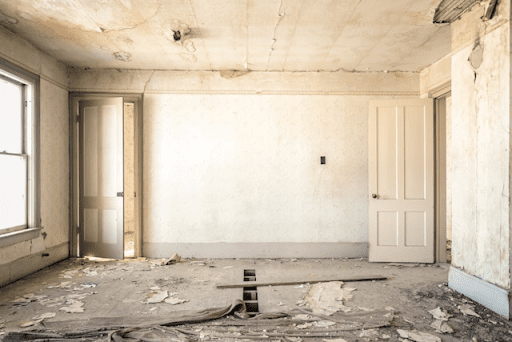
Damp and mould are among the most common and serious problems faced by tenants across the UK. Beyond being unsightly, these issues can cause structural damage and significant health risks, particularly for children, elderly individuals, and people with respiratory conditions. If your landlord has ignored repeated complaints about damp patches, black mould growth, or condensation problems, you may be wondering whether you can take legal action. The answer is yes—under certain circumstances, tenants have the right to pursue housing disrepair claims to force repairs and seek compensation. This legal guide explains your rights, your landlord’s obligations, and the steps involved in taking action.
Understanding Landlord Responsibilities Under UK Law
In the UK, landlords are legally required to maintain rental properties in a safe and habitable condition. The Landlord and Tenant Act 1985 states that landlords must keep the structure and exterior of the property in good repair, including walls, roofs, drains, and ventilation systems. Additionally, the Homes (Fitness for Human Habitation) Act 2018 ensures that rented homes must be fit to live in at the start and throughout the tenancy. Damp and mould caused by structural defects, leaking pipes, faulty roofing, or poor insulation generally fall under the landlord’s responsibility. If the issue results from building faults rather than tenant lifestyle, your landlord is legally obligated to fix it.
When Is Damp and Mould the Landlord’s Fault?
Not all damp and mould cases automatically qualify for legal action. The key factor is determining the cause. If mould growth is due to structural issues such as rising damp, penetrating damp, broken gutters, or inadequate ventilation systems, responsibility usually lies with the landlord. However, if condensation occurs solely due to tenant behaviour—such as failing to ventilate or heat the property properly—the landlord may argue limited liability. In practice, many cases involve a combination of property defects and ventilation shortcomings. Tenants pursuing housing disrepair claims must demonstrate that the landlord was notified and failed to act within a reasonable timeframe.
Health Risks Linked to Damp and Mould
Damp and mould are more than minor inconveniences—they can pose serious health risks. Exposure to mould spores has been linked to asthma, respiratory infections, allergic reactions, and skin irritation. Children living in damp homes are particularly vulnerable to long-term breathing issues. The UK government has placed increased emphasis on housing standards following high-profile cases where mould-related conditions contributed to tragic outcomes. Courts now take health risks seriously when evaluating housing disrepair claims, and tenants who can provide medical evidence may strengthen their case for compensation.
Steps to Take Before Suing Your Landlord
Before initiating legal proceedings, tenants must first notify the landlord in writing about the damp and mould problem. This notice should clearly describe the issue, include photographs, and request repairs within a reasonable timeframe. Keeping records of communication is essential. If the landlord fails to respond or makes temporary fixes that do not resolve the underlying cause, you may contact your local council’s environmental health department. They can inspect the property and issue an improvement notice if hazards are identified. Only after giving the landlord a fair opportunity to address the issue should you proceed with formal housing disrepair claims.
How to Start a Housing Disrepair Claim
If informal efforts fail, you may consult a solicitor who specialises in housing disrepair claims. Many legal firms offer no-win, no-fee services, making legal representation accessible to tenants. The process usually begins with a formal letter of claim outlining the defects, the impact on your health or belongings, and a demand for repairs and compensation. The landlord then has a set period to respond. If no agreement is reached, court proceedings may follow. In areas with older housing stock, such as Manchester, housing disrepair Manchester cases frequently involve persistent damp caused by structural problems in ageing buildings.
What Compensation Can You Claim?
Tenants who successfully sue their landlord for damp and mould may receive compensation for several factors. These include inconvenience, stress, health problems, and damage to personal belongings like furniture or clothing. Compensation amounts depend on the severity and duration of the issue. In serious cases where tenants were forced to live in hazardous conditions for extended periods, awards can be substantial. Additionally, the court can order the landlord to carry out necessary repairs within a specified timeframe. The goal of housing disrepair claims is not only financial recovery but also ensuring the property is restored to a safe and habitable condition.
Protecting Yourself from Retaliatory Eviction
Many tenants hesitate to take legal action because they fear eviction. However, UK law provides important protections against retaliatory eviction. If you report damp and mould issues to your local authority and they issue an improvement notice, your landlord may be restricted from serving a Section 21 “no-fault” eviction notice for a certain period. This protection encourages tenants to assert their rights without intimidation. Understanding these safeguards is crucial if you are considering housing disrepair manchester proceedings or similar claims elsewhere in the UK.
Conclusion: Know Your Rights and Take Action
Damp and mould problems should never be ignored, especially when they threaten your health and safety. UK law clearly states that landlords must maintain properties to a habitable standard, and tenants have the legal right to seek remedies when those standards are not met. If you have reported damp and mould and your landlord has failed to act, you may be entitled to pursue housing disrepair claims to secure repairs and compensation. By documenting the problem, seeking professional advice, and understanding your legal protections, you can confidently take action. Whether you live in Manchester or elsewhere in the UK, knowing your rights empowers you to protect your home and well-being.