
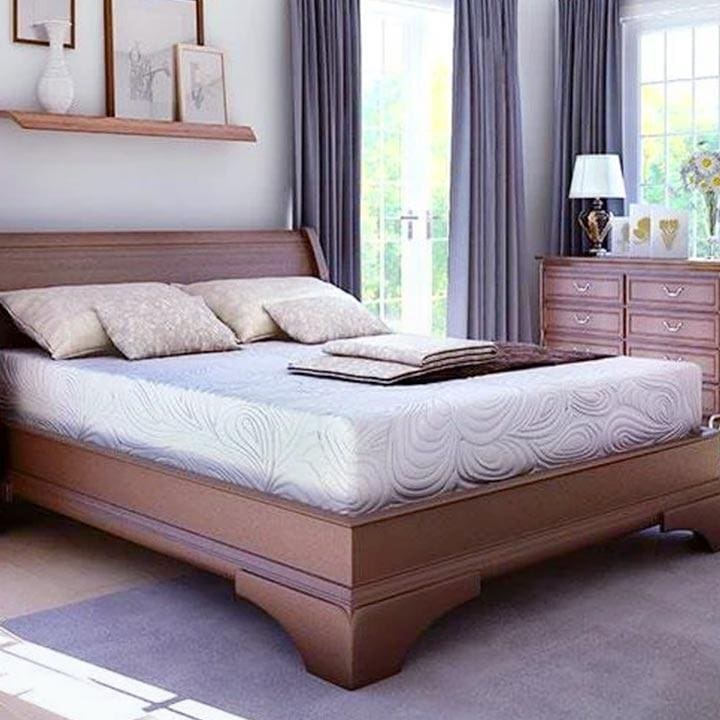
Back pain can turn every part of your day into hard work. When your back hurts, you move less and feel tired. Sleep can suffer the most. You may toss and turn or wake many times.
A poor mattress can make things worse. It may sag or press on your hips and shoulders. So you start to wonder about easy fixes. One popular option is a memory foam mattress topper. It sits on top of your current bed and adds a soft layer.
Many people say it eases pressure and pain. But does it really help your back, or is it just hype? In this article, we explore how a memory foam mattress topper works and when it may ease back pain.
What Is a Memory Foam Mattress Topper?
A memory foam mattress topper is a separate layer that you place on top of your mattress. It is usually two to four inches thick. The foam in the memory foam mattress topper reacts to your body heat and weight. It softens where you press down and stays firm in other spots. This shapes around your curves. The goal is to spread your weight and reduce sharp pressure points. A topper is cheaper than buying a new mattress. It can also change the feel of a bed that is too hard. For many people, this simple change is enough to improve comfort and support for the back.
How a Memory Foam Mattress Topper Can Help Your Back

The main way a memory foam mattress topper may help with back pain is by easing pressure. When one small area carries most of your weight, nerves can get irritated. You may wake up and need to change position. Memory foam spreads your weight across a wider area. This can calm sore spots in the lower back and between the shoulder blades. Another benefit is better spinal alignment. As your hips sink slightly, the foam can fill the space under your waist. This keeps your spine closer to a straight line while you lie on your side. For many people, this means fewer nighttime aches.
Who May Benefit the Most
A memory foam mattress topper may suit people with mild to moderate back pain. It can be most helpful for:
- Side sleepers whose shoulders and hips feel jammed on a firm bed
- Light and medium-weight people who can sink into the foam
- People with a fairly new mattress that feels too hard
- Sleepers who wake with tight muscles yet feel better as the day goes on
When a Memory Foam Mattress Topper May Not Help
A memory foam mattress topper cannot fix every kind of back pain. It may not help if:
- Your mattress is very old and sagging, so the topper follows the same dips
- You have severe pain, a recent injury, or nerve problems and need medical care
- You are a very heavy sleeper and sink too deeply into soft foam
- You sleep hot on memory foam and find the slow sinking feel uncomfortable
In these cases, a different type of mattress or topper may work better.
Tips for Choosing the Right Memory Foam Mattress Topper
If you decide to try a memory foam mattress topper, some details matter. Focus on:
- Thickness. Around three inches gives more pressure relief. Thinner toppers mostly add a bit of softness
- Firmness level. People with back pain often do best with medium or medium-firm foam
- Density. Higher-density foam usually lasts longer and supports better
- Cooling features. Open cell foam or small air holes can help if you get warm at night
These points can guide you to a topper that matches your body and sleep style.
Conclusion
A memory foam mattress topper can be a simple tool in the fight against back pain. It does not replace medical advice or a truly worn-out mattress. Yet it can offer real relief for many people.
By shaping your body, it reduces pressure on sore joints and muscles. It also helps your spine rest in a more natural line. To get the best results, you must choose the right thickness and firmness for your body and sleep style.
Think about how your back feels now and what you hope to change. With careful choice and good sleep habits, a new topper may help you wake with less pain and more energy.
