

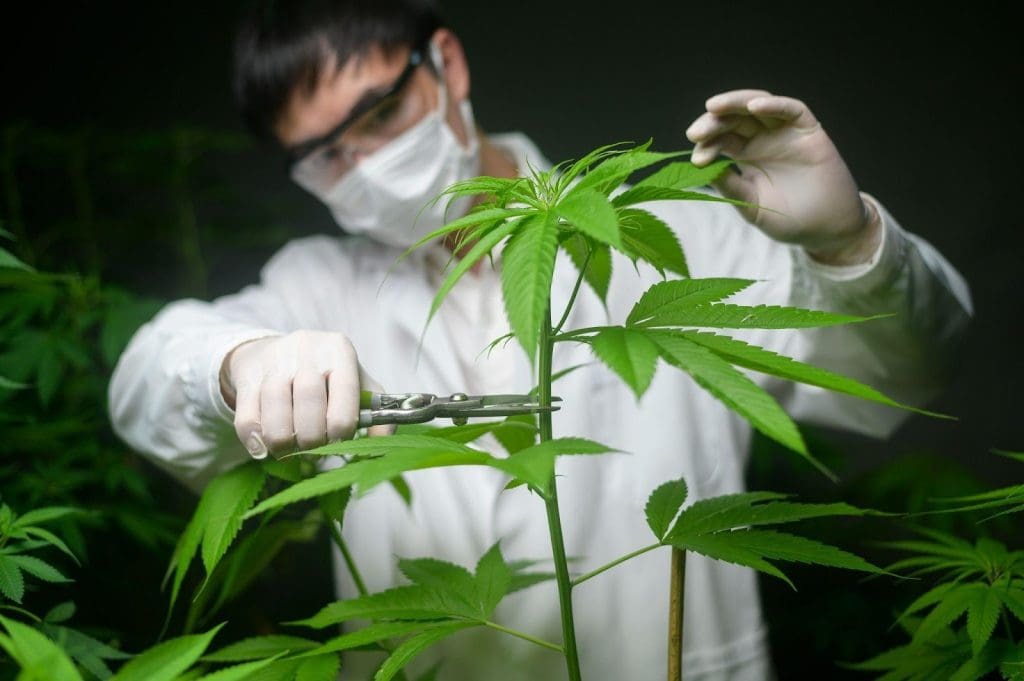
Image source: Unsplash
Sustainable cannabis cultivation is becoming a central focus for growers. As the industry expands, it’s clear that energy efficiency, water conservation, waste reduction, and eco-friendly inputs are no longer optional—they’re necessary. Forward-thinking cultivators are investing in renewable energy, smart technologies, and organic practices not only to meet regulatory demands but also to align with a growing base of conscious consumers.
California Cannabis Testing Labs also mentions that managing resources wisely and embracing sustainable practices can significantly reduce operational costs while enhancing the quality and consistency of the final product. Whether it’s through smarter lighting systems, soil maintenance, or closed-loop water recycling, each step contributes.
The Environmental Challenge in Cannabis Cultivation
Cannabis cultivation, especially in indoor and greenhouse settings, requires considerable energy, water, and materials. These operations often rely on high-intensity lighting and climate-control systems, which increase electricity consumption and contribute to a large carbon footprint. Water use is also substantial, particularly where outdated irrigation methods are still used.
With the industry expanding, cultivators are facing pressure to reduce their environmental impact. Regulatory agencies are setting stricter efficiency standards, and consumers are paying closer attention to how cannabis is produced. Some growers are responding by reevaluating their operations, adopting sustainable methods that align with both compliance and market expectations.
Smarter Energy Use with Efficient Lighting and Renewables
Traditional lighting systems like high-pressure sodium and metal halide lamps are known for their high energy consumption and heat output. In contrast, LED grow lights are rapidly becoming the preferred option due to their lower power draw, longer lifespan, and ability to produce tailored light spectrums for each growth stage. Indoor growers who switch to LEDs often see a drop in utility costs without sacrificing yield quality.
Some facilities are incorporating solar panels and battery storage to offset their energy use. A mid-sized greenhouse in California, for example, reduced its reliance on the grid by using a hybrid solar and wind system. These moves not only cut emissions but also protect growers from rising energy prices and power outages, which can be disastrous during critical growth phases. As renewable energy technology becomes more accessible, adoption is expected to rise across the industry.
Water Management
Efficient water use is vital in cannabis cultivation, particularly in regions prone to drought or with tight water restrictions. Drip irrigation systems paired with moisture sensors allow growers to deliver precise amounts of water directly to plant roots, minimizing waste and runoff. This not only conserves water but also reduces the likelihood of disease caused by overwatering. Some growers have adopted cloud-based irrigation controls to monitor usage remotely.
Rainwater catchment systems are gaining popularity among outdoor and greenhouse growers. By capturing and storing rain, cultivators can supplement their irrigation needs while reducing dependence on municipal supplies. In addition, closed-loop water systems that collect and filter runoff ensure that nutrients are reused rather than lost, promoting sustainability throughout the growing cycle.
Low-Impact Nutrients and Soil Practices
Many cultivators are shifting away from synthetic fertilizers in favor of organic alternatives like compost teas, bone meal, and microbial inoculants. These inputs work with the natural biology of the soil, enhancing nutrient uptake and promoting healthier root systems.
Living soil practices are also gaining traction. By nurturing a diverse web of microorganisms in the growing medium, cultivators create a self-sustaining climate that reduces the need for chemical intervention. Some growers even reuse their soil from one harvest to the next, replenishing it with organic matter rather than discarding it, which cuts down on waste and cost.
Reducing Waste and Environmental Footprint
Cultivation generates more waste than many realize, from plant trimmings to plastic packaging. To combat this, some operations have implemented on-site composting programs and partnered with local recycling services to divert waste from landfills. In regulated markets, managing waste responsibly isn’t just good practice—it’s often a legal requirement. Facilities are also exploring anaerobic digestion to handle organic waste more efficiently.
Biodegradable packaging is also making its way into dispensaries, replacing single-use plastics with hemp-based or recycled materials. These efforts not only reduce environmental impact but also appeal to eco-conscious consumers who are increasingly factoring sustainability into their purchasing decisions. Packaging innovations are helping brands stand out while aligning with broader environmental goals.
Smart Technologies for Efficient Cultivation
Digital tools are transforming how cannabis is grown. Environmental sensors monitor temperature, humidity, and CO₂ levels in real-time, allowing growers to make data-driven adjustments that optimize plant health and reduce energy waste. Automation systems further streamline processes like irrigation and lighting, freeing up time for growers to focus on plant care.
Integration with mobile platforms adds another layer of convenience and oversight. Platforms that integrate crop data with historical performance are helping cultivators fine-tune their methods over multiple cycles. By analyzing trends and outcomes, these systems offer insights that lead to higher yields and lower resource use. This kind of precision agriculture is reshaping the industry, making sustainability and profitability more compatible than ever.