
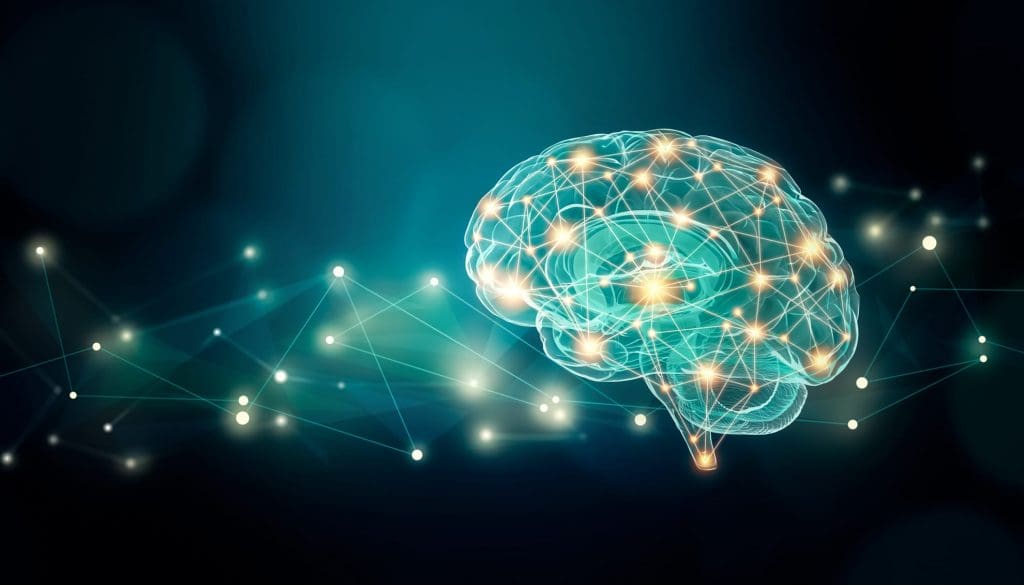
The human brain shapes everything we experience, from conscious thought to emotion, memory, and movement. While many explanations of brain function focus on theory, the most lasting understanding comes from studying how the brain is physically organized. Cortex Curious was created for learners who want to explore the brain through structure and anatomy, allowing curiosity to lead while maintaining clarity and scientific accuracy.
By emphasizing real anatomical regions and their roles, this approach transforms neuroscience into an accessible and engaging subject. Learners are guided to understand not just what the brain does, but how its physical design makes those functions possible.
Why Anatomy Is Essential to Understanding the Brain
Every mental process originates from physical structures working together. Anatomy reveals the framework that supports cognition, perception, emotion, and behavior. Without this foundation, brain science can feel fragmented or abstract.
Studying anatomy provides learners with a spatial understanding of the brain. It clarifies how regions are positioned, how they communicate, and how specialization emerges across different areas.
Anatomy as a Cognitive Map
Learning brain anatomy helps individuals:
- Visualize relationships between brain regions
- Understand functional specialization
- Retain complex information more effectively
- Apply knowledge across psychology, biology, and health sciences
This structured knowledge allows learners to move confidently from basic concepts to advanced ideas.
The Cerebral Cortex: The Brain’s Outer Command Center
The cerebral cortex is the brain’s outer layer and plays a central role in conscious awareness. It supports perception, voluntary movement, language, and reasoning. Divided into hemispheres and lobes, the cortex enables specialized processing while maintaining integration.
Understanding cortical anatomy allows learners to associate everyday mental experiences with specific physical regions.
Frontal Lobe: Executive Control and Voluntary Action
The frontal lobe is responsible for planning, decision-making, attention, and emotional regulation. It also contains motor areas that control voluntary movement.
Anatomical study of the frontal lobe explains how complex behaviors such as problem-solving and goal-directed action are physically supported.
Parietal Lobe: Sensory Processing and Spatial Awareness
The parietal lobe integrates sensory input from the body, including touch and spatial information. It helps the brain understand where the body is in space and how it interacts with the environment.
Learning its structure clarifies how sensory data becomes meaningful perception.
Temporal Lobe: Memory, Language, and Auditory Processing
The temporal lobe plays a key role in sound interpretation, language comprehension, and memory formation. Its internal structures support learning and recognition.
Anatomical exploration of this region highlights how communication and memory depend on organized neural systems.
Occipital Lobe: Visual Interpretation
The occipital lobe is dedicated to visual processing. It transforms incoming signals from the eyes into recognizable images.
Understanding its anatomy shows how vision is constructed step by step through specialized pathways.
Subcortical Structures: Supporting Brain Function Beneath the Surface
Below the cortex lie subcortical regions that support coordination, learning, and essential bodily functions. These structures work continuously to maintain balance and efficiency.
Thalamus: The Brain’s Relay Hub
The thalamus directs sensory information to the appropriate cortical regions. Studying its position helps learners understand how information flows smoothly through the brain.
Hippocampus: Learning and Memory Organization
The hippocampus is essential for forming new memories and organizing learning experiences. Anatomical understanding of this structure explains how memories are created and retrieved.
Basal Ganglia: Movement and Skill Development
The basal ganglia assist with movement coordination and habit formation. Their structure supports smooth motion and repeated actions.
Brainstem: Vital Automatic Processes
The brainstem controls breathing, heart rate, sleep cycles, and other automatic functions. Anatomical knowledge of this area highlights how the brain maintains life without conscious input.
Learning Through Structure and Visual Organization
Anatomy-based learning is most effective when information is presented clearly and logically. Organized content helps learners progress from large brain regions to finer details without confusion.
This structured approach supports long-term understanding and encourages independent exploration.
Who Can Benefit from Anatomy-Centered Brain Education?
This method is valuable for:
- Students studying neuroscience or psychology
- Educators creating structured lesson plans
- Health enthusiasts exploring brain function
- Lifelong learners driven by curiosity
Because anatomy provides a universal framework, it suits learners at every stage.
Connecting Brain Structure to Everyday Experience
Understanding the brain’s physical organization helps explain daily experiences such as focus, emotion, learning, and movement. Each action reflects coordinated activity across multiple brain regions.
This connection makes learning more meaningful and reinforces the relevance of anatomy in real life.
Curiosity as a Foundation for Lifelong Learning
Curiosity encourages deeper engagement and sustained interest. When learners explore the brain through structure, they are more likely to build lasting knowledge and continue learning independently.
Anatomy-focused resources support this process by presenting reliable information in an accessible format.
A Central Resource for Brain Anatomy Exploration
For individuals seeking a structured and anatomy-first approach to neuroscience, cortexcurious.com provides an organized learning environment centered on real brain structures and their functions. The platform helps learners build clarity by connecting physical organization with cognitive processes.
Its focus on structure makes it a valuable resource for both educational and personal exploration.
Final Reflection
The brain becomes far more understandable when studied through anatomy. Structure provides the framework that supports every thought, memory, and action. By learning how the brain is organized, individuals gain deeper insight into how the mind works.
An anatomy-centered approach transforms curiosity into knowledge, offering a clear and engaging path to understanding one of the most remarkable systems in the human body.