
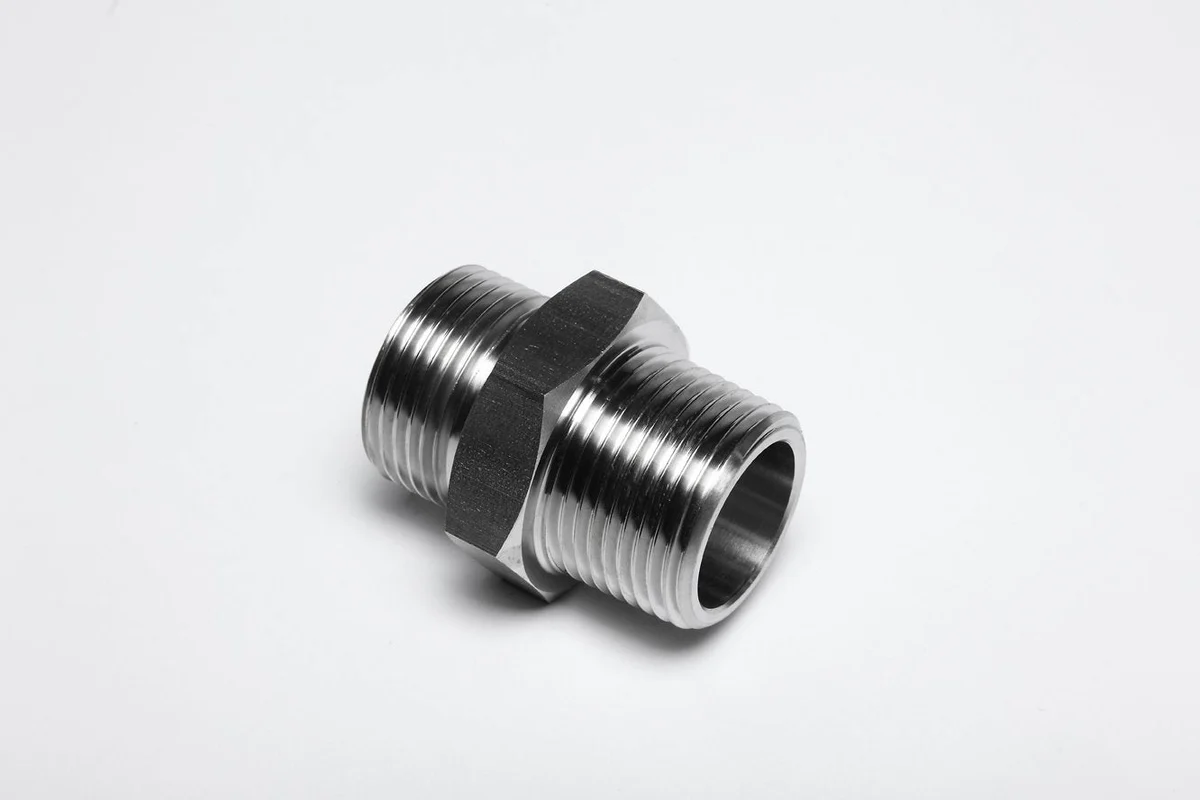
In the world of hydraulic and industrial piping systems, choosing the right type of fitting is critical for ensuring safety, efficiency, and long-term performance. One such essential component is the BSPT adapter. WhileBSPT adapters are widely used in many parts of the world, they are often misunderstood in the United States, where NPT threads are more common. Understanding how BSPT adapters work and when to use them can help prevent costly mistakes and system failures.
What Are BSPT Adapters?
BSPT stands for British Standard Pipe Taper. BSPT adapters are threaded fittings designed to connect pipes and components in a secure, leak-resistant manner. These adapters use tapered threads, which means the diameter of the thread decreases along its length. This taper allows the threads to form a tight seal when screwed together.
Unlike straight threads that require additional sealing components such as O-rings, BSPT threads rely on the interference between the threads themselves to create a seal. This makes them highly effective in applications where high pressure and vibration are present.
BSPT vs NPT: Understanding the Key Differences
For U.S.-based industries, understanding the difference between BSPT and NPT threads is essential. While both are tapered thread types, they are not interchangeable.
The main difference lies in the thread angle. BSPT threads have a 55-degree angle, while NPT threads use a 60-degree angle. This seemingly small difference can lead to improper sealing if the wrong type is used. Additionally, the thread form and pitch may vary, further affecting compatibility.
Attempting to connect BSPT and NPT fittings can result in leaks, reduced performance, and even equipment damage. For this reason, it is always recommended to use the correct standard for your system or use properly designed adapters when transitioning between thread types.
Common Applications of BSPT Adapters
BSPT adapters are widely used across various industries due to their reliability and strong sealing capabilities. Some of the most common applications include:
- Hydraulic Systems: BSPT adapters are frequently used in hydraulic machinery where high pressure and secure connections are essential.
- Oil and Gas Industry: These adapters are ideal for pipelines and equipment handling fluids under extreme conditions.
- Industrial Equipment: Manufacturing and heavy machinery often rely on BSPT fittings for durability and performance.
- Plumbing Systems: In regions following British standards, BSPT threads are commonly used in water and gas piping systems.
Their versatility makes them a valuable component in both large-scale industrial operations and smaller mechanical systems.
Benefits of Using BSPT Adapters
There are several advantages to using BSPT adapters in the right applications:
1. Leak-Resistant Sealing
The tapered design ensures a tight fit, minimizing the risk of leaks even under high pressure.
2. Durability
BSPT adapters are typically made from strong materials such as stainless steel, brass, or carbon steel, making them resistant to wear and corrosion.
3. High-Pressure Performance
These adapters are well-suited for demanding environments where maintaining pressure integrity is critical.
4. Wide Availability
BSPT adapters are available in a variety of sizes and materials, making it easy to find the right fit for specific applications.
How to Choose the Right BSPT Adapter
Selecting the correct BSPT adapter is essential for achieving optimal performance and safety. Here are some key factors to consider:
Material Selection
Choose a material based on your application. Stainless steel is ideal for corrosion resistance, while brass is suitable for general-purpose use.
Thread Size and Type
Ensure that the adapter matches the exact BSPT specifications required for your system. Even slight mismatches can lead to leaks.
Pressure Rating
Always check the pressure rating of the adapter to ensure it can handle your system’s operating conditions.
Compatibility
If you are working with a system that includes NPT or other thread types, use appropriate conversion adapters rather than forcing mismatched connections.
Why BSPT Adapters Matter in U.S. Industries
Although NPT threads dominate the U.S. market, BSPT adapters are still highly relevant, especially in industries that use imported equipment or operate globally. Engineers and technicians often encounter BSPT fittings when working with European or Asian machinery.
Having a clear understanding of BSPT adapters allows professionals to maintain system integrity and avoid costly downtime. It also ensures compliance with international standards, which is increasingly important in today’s globalized industrial environment.
Conclusion
BSPT adapters play a crucial role in hydraulic and industrial systems by providing reliable, leak-resistant connections. While they may differ from the more commonly used NPT threads in the United States, their importance cannot be overlooked—especially in global applications.
By understanding the differences, applications, and selection criteria for BSPT adapters, engineers and technicians can ensure optimal system performance and safety. Whether you are working in hydraulics, oil and gas, or industrial manufacturing, choosing the right adapter is a small decision that can make a big impact.