

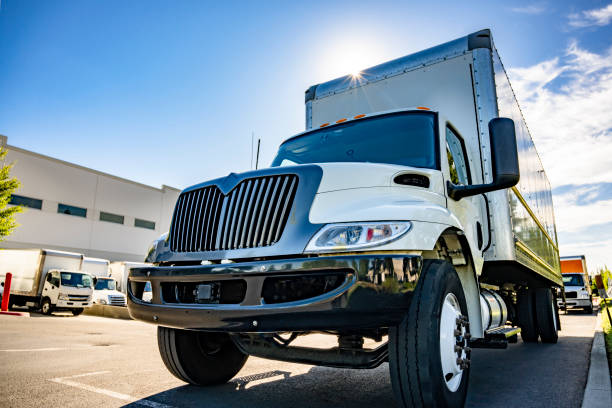
The transportation and logistics industry in the United States continues to grow rapidly, and one segment shows especially strong demand — box truck jobs. From local delivery routes to regional freight operations, box truck drivers are becoming a critical part of today’s supply chain.
Whether you are a beginner looking for entry-level driving work or an experienced owner-operator seeking higher profits, box truck jobs offer flexibility, strong earning potential, and long-term stability. This comprehensive guide explains what box truck jobs are, how to find them, how much they pay, and how to build a successful career in this fast-growing industry.
What Are Box Truck Jobs?
Box truck jobs involve transporting freight using straight trucks with enclosed cargo bodies, typically ranging from 12 to 26 feet in length. These trucks are widely used for:
- Local and regional deliveries
- Furniture and appliance transportation
- E-commerce distribution
- Warehouse transfers
- Medical and pharmaceutical shipments
- Event equipment logistics
- Construction materials
Unlike semi-trucks, many box truck positions do not require a CDL, making them a popular entry point into the trucking industry.
Why Box Truck Jobs Are in High Demand
Several major market forces are driving demand for box truck drivers:
- Rapid expansion of e-commerce
- Same-day and next-day delivery expectations
- Growth of regional distribution centers
- Increased medical supply transportation
- Retail reshoring inside the U.S.
- Urban logistics development
As businesses require faster and more flexible shipping solutions, box truck drivers have become essential to keeping supply chains moving efficiently.
Types of Box Truck Jobs Available
Box truck jobs are extremely diverse and can fit almost any lifestyle or business model.
1. Local Delivery Jobs
These jobs usually involve:
- Short-distance routes
- Home-daily schedules
- Multiple stops
- Residential and commercial deliveries
This is ideal for drivers who prefer daytime work and minimal overnight travel.
2. Regional Box Truck Jobs
Regional jobs may include:
- 300–1,000 mile routes
- 2–5 day trips
- Freight across multiple states
- Consistent weekly schedules
These jobs typically come with higher pay than local driving.
3. Expedited Freight Jobs
Expedited box truck jobs are time-sensitive and high-paying. Common cargoes include:
- Medical supplies
- Aircraft parts
- Emergency industrial components
These jobs often pay premium rates per mile.
4. Dedicated Contract Jobs
Dedicated box truck jobs involve:
- Fixed routes
- Set customers
- Weekly guaranteed income
- Long-term agreements
These positions offer excellent income stability.
5. Owner-Operator Box Truck Jobs
Owner-operators run their own equipment and choose their loads. They enjoy:
- Full income control
- Higher earning potential
- Business scalability
- Flexible scheduling
How to Find Box Truck Jobs
Finding consistent, high-paying box truck jobs requires using the right resources and strategies.
Load Boards
Load boards allow drivers to:
- Search by location
- Filter by equipment size
- Compare rates
- Find same-day cargo
Freight Brokers
Working directly with freight brokers provides:
- Better negotiated rates
- Stable freight volume
- Long-term working relationships
Dispatch Services
Professional dispatchers:
- Search for jobs all day
- Negotiate higher rates
- Secure return loads
- Handle paperwork and compliance
Dispatching becomes even more powerful when paired with professional logistics documentation and workflow planning from
pbdrafting.com, helping drivers and fleet owners improve efficiency, reduce downtime, and increase weekly revenue.
How Much Do Box Truck Jobs Pay?
Income from box truck jobs depends on route type, load urgency, and equipment size.
Local Box Truck Jobs
- $18 – $30 per hour
- $800 – $1,500 per week
Regional Box Truck Jobs
- $1.50 – $3.80 per mile
- $1,500 – $3,500 per week
Expedited Box Truck Jobs
- $4.00 – $7.00 per mile
- $4,000+ per week during peak demand
Owner-Operator Income
- $6,000 – $15,000+ per month
- Some high-performing operators exceed $180,000 per year in gross revenue
Requirements for Box Truck Jobs
Most box truck jobs require:
- Valid driver’s license (Class D or C, depending on truck size)
- Clean driving record
- Background check
- Drug screening
- DOT medical card
- Basic cargo securement knowledge
For larger 26ft trucks, a CDL may be required depending on weight and state regulations.
Essential Equipment for Box Truck Drivers
Higher-paying box truck jobs often require trucks equipped with:
- Hydraulic liftgate
- Pallet jack
- Load bars and heavy-duty straps
- GPS tracking
- ELD system (if required)
- Clean and well-maintained cargo area
Well-equipped trucks have access to more freight and higher-paying contracts.
Box Truck Jobs vs Semi-Truck Jobs
FeatureBox Truck JobsSemi-Truck JobsCDL RequiredOften NoAlways YesStartup CostLow to MediumVery HighRoute TypesLocal & RegionalMostly Long-HaulHome TimeFrequentLimitedMaintenanceLowerMuch HigherEntry BarrierLowHigh
Many drivers choose box truck jobs for faster market entry and better work–life balance.
Common Challenges in Box Truck Jobs
Fuel Price Fluctuations
Solution: Fuel cards, optimized routing, reduced deadhead miles.
Slow Payment from Brokers
Solution: Verified brokers and factoring services.
Seasonal Freight Drops
Solution: Multi-industry freight diversification.
Mechanical Downtime
Solution: Preventive maintenance scheduling.
How Technology Is Changing Box Truck Jobs
Modern box truck drivers use:
- Load board apps
- GPS tracking
- Automated dispatch systems
- Digital paperwork
- Electronic invoicing
- Route optimization tools
These technologies drastically reduce downtime and increase efficiency.
Owner-Operator vs Company Driver Box Truck Jobs
Company Driver
- Fixed paycheck
- No equipment responsibility
- Limited income growth
- Stable schedules
Owner-Operator
- Higher earning potential
- Full schedule control
- Equipment ownership
- Business tax advantages
Most high-income drivers eventually transition into owner-operator roles.
Best Industries Hiring for Box Truck Jobs
- Furniture delivery companies
- Appliance distributors
- Medical logistics firms
- Construction suppliers
- Auto parts wholesalers
- Event equipment rental companies
- Warehouse fulfillment centers
- E-commerce delivery networks
How to Start a Career in Box Truck Jobs
- Obtain proper driver’s license
- Pass DOT medical exam
- Build a clean driving history
- Apply through load boards or brokers
- Work with a dispatcher
- Gain experience and scale into better-paying routes
Future of Box Truck Jobs in the USA
Market trends supporting long-term growth include:
- Same-day delivery expansion
- Medical supply chain growth
- Urban distribution centers
- Infrastructure modernization
- Retail supply chain reshoring
Experts project strong growth for box truck jobs through 2035 and beyond.
Final Thoughts
Box truck jobs offer one of the best combinations of accessibility, income potential, and schedule flexibility in the modern transportation industry. With low entry barriers, continuous national demand, and multiple income models, box truck driving is a powerful long-term career path.
Success in this industry depends on:
- Consistent load access
- Smart dispatching
- Professional documentation
- Route optimization
- Cost control
- Equipment readiness
When these elements work together, box truck jobs become a predictable and scalable source of income for drivers and businesses alike.