

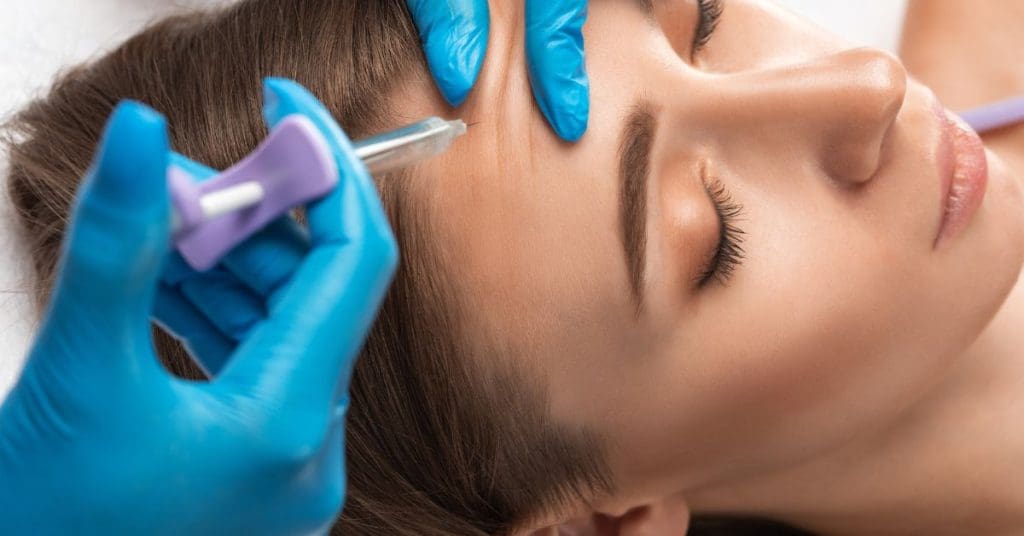
There’s a point where your reflection begins holding expressions longer than you intend. A raised brow that doesn’t fully relax. A crease that stays behind after a moment of concentration. These aren’t dramatic changes, but they subtly shift how others read your mood. Exploring Botox in Toronto often begins here, not with a desire to look different, but with the wish to look as relaxed as you feel. At Mirror by La vita, the experience is designed around precision and restraint, creating soft adjustments that feel intuitive rather than noticeable.
How Repetition Shapes the Face Over Time
Facial muscles are in constant motion. Every smile, squint, and frown reinforces movement patterns that the skin eventually memorizes. With time, elasticity slows and the skin doesn’t rebound as quickly after expression. This is when lines begin to linger, makeup settles differently, and photos capture unintended tension.
Topical skincare can hydrate and brighten, but it cannot interrupt strong muscular contraction. Botox works at the source of these repetitive movements, gently relaxing targeted muscles so the skin folds less aggressively. The goal is not stillness, but release.
The Difference Between Preventive and Corrective Treatment
Many people assume Botox is only for visible wrinkles. In reality, timing plays a significant role in how natural results appear. Preventive treatment focuses on easing strong movement patterns before deep lines fully settle. Corrective treatment softens established expression lines that remain at rest.
Neither approach is right or wrong. What matters is customization. A well-planned strategy respects your current facial behavior, your comfort level, and how much movement you want to preserve. This individualized approach is what separates refined results from generic outcomes.
Reading Facial Movement Before Any Injection
A quality consultation is observational by design. You may be asked to frown, raise your brows, smile, or squint so muscle dominance can be assessed. This mapping stage reveals where tension concentrates and how each side of the face behaves differently. Subtle asymmetries are normal, and recognizing them early ensures balanced treatment.
This is also where personal preference guides the plan. Some clients want barely-there relaxation. Others are comfortable with a smoother finish in specific zones. When expectations and anatomy align, the outcome looks like a rested version of yourself rather than a cosmetic alteration.
What a Botox Appointment Feels Like
Treatment sessions are usually brief. After cleansing the skin, injection points are confirmed through guided expressions. A fine needle places small amounts of product into precise muscle locations. Sensation is typically described as quick pinches that pass within seconds.
Minor redness or tiny raised points may appear immediately afterward, but they tend to fade quickly. Aftercare focuses on protecting placement and reducing irritation. Clients are advised to avoid rubbing treated areas and to postpone strenuous exercise for the remainder of the day. There is minimal downtime, and most return to normal activities right away.
Watching Results Settle Naturally
Botox does not change your face overnight. Muscle relaxation begins gradually, with early shifts visible in the first few days. Full results are typically assessed around two weeks, once movement patterns have softened evenly.
As the months pass, muscle activity slowly returns. Many clients notice that even when treatment fades, expression lines appear less etched than before because the skin has had time away from constant folding. With consistent sessions, some find they can space appointments further apart as muscles adapt to a calmer resting state.
Why Expertise Matters More Than Price
Botox is technique-driven. Placement, dosage, and understanding of facial balance determine whether results appear effortless or artificial. Lower-cost options may be tempting, but experience directly affects symmetry, subtlety, and long-term consistency.
Value is not just measured in how smooth the forehead looks today. It is reflected in how natural your expressions remain, how confident you feel in photos, and how predictable your outcomes are over time. Education, transparency, and thoughtful planning build trust that lasts beyond a single visit.
The Real Outcome People Seek
The best Botox results don’t announce themselves. Friends might say you look rested, calm, or refreshed without pinpointing why. Your expressions still belong to you, just without unintended tension stealing the moment. This is the quiet benefit most people are truly after when exploring Botox in Toronto: not transformation, but ease.
FAQs
1. How do I know if Botox is right for me?
If you notice expression lines lingering after your face relaxes, or feel your features look more tense than you feel, a consultation can determine whether Botox would help soften those movement patterns.
2. Will Botox make me look frozen?
When performed conservatively, Botox relaxes targeted muscles while preserving natural expression. The goal is softened movement, not immobility.
3. How soon will I see results?
Early changes often appear within several days, with full results settling around two weeks after treatment.
4. How long do results typically last?
Most people experience results for about three to four months, though this varies based on muscle strength and individual metabolism.
5. What should I avoid after treatment?
It is generally recommended to avoid rubbing treated areas and postpone intense physical activity for the rest of the day to allow proper settling.