

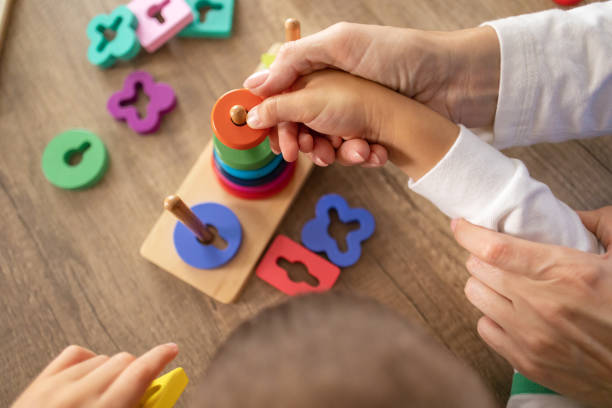
For parents navigating a diagnosis of Autism Spectrum Disorder (ASD), the roadmap forward can often feel overwhelming. Between researching therapies, managing schedules, and advocating for your child’s needs, it is easy to get lost in the clinical details. However, one of the most effective ways to support a child’s development is actually one of the simplest and most natural activities in the world: play.
While traditional views of therapy often conjure images of rigid table-work and repetitive drills, the landscape of autism support has evolved significantly. Modern therapeutic approaches are increasingly embracing naturalistic, child-led strategies that prioritize joy and engagement just as much as skill-building.
The Evolution of Behavioral Support
Applied Behavior Analysis (ABA) has long been considered the gold standard for autism treatment. It is a therapy based on the science of learning and behavior, helping us understand how behavior works, how it is affected by the environment, and how learning takes place.
Historically, some parents worried that behavioral interventions might be too structured or robotic. Today, however, leading providers have shifted toward a model that meets children where they are. By integrating therapeutic goals into activities a child already loves—whether that’s building with blocks, racing cars, or imaginative play—therapists can build essential skills without the child even realizing they are “working.”
Unlocking Potential Through Play
When ABA therapy for children is delivered through a play-based framework, it transforms the learning experience. Instead of rote memorization, children learn to communicate, problem-solve, and socialize in real-world contexts that make sense to them.
Here is how this modern approach makes a difference:
- Building Communication: A child is more motivated to use words or gestures to ask for a specific toy they are excited about than they are to identify flashcards. Natural motivation leads to more meaningful and spontaneous communication.
- Enhancing Social Skills: Play is the language of childhood. By guiding interactions during games, therapists help children understand turn-taking, sharing, and interpreting social cues in a safe and fun environment.
- Fostering Independence: Learning daily living skills, such as putting on a coat or washing hands, can be woven into routines and games, making these tasks less of a chore and more of an accomplishment.
The Role of Early Intervention
Research consistently shows that early intervention is key to long-term success. The brain is most adaptable during the early years of life, making it the ideal time to introduce supportive strategies.
When children receive support that feels supportive rather than corrective, they build confidence. They learn that their voice matters and that they can navigate their environment successfully. This confidence is the foundation for future learning in school and beyond.
Finding the Right Partner
For parents, the goal is to find a therapy provider who sees the unique spark in their child. It is important to look for centers that prioritize “happy, relaxed, and engaged” learners. The right environment should feel less like a clinic and more like a supportive community where your child’s interests are celebrated.
Every child’s journey is unique, but with the right tools and a compassionate approach, the path forward can be one of discovery, growth, and endless possibilities.