

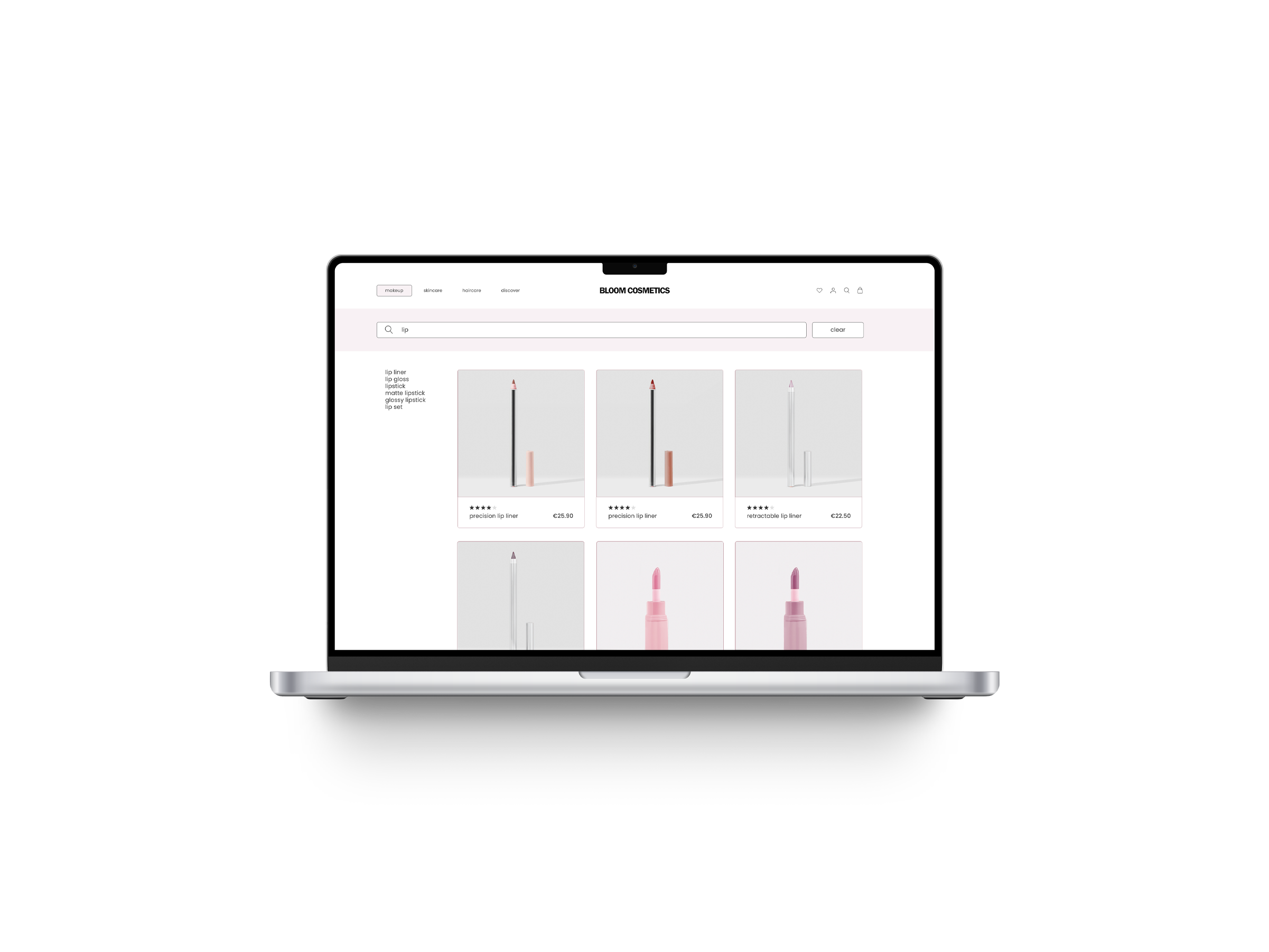
Search functionality extends far beyond simple product retrieval. Advanced features transform the search experience from a utilitarian tool into a conversion engine that actively guides customers toward purchase decisions. Personalized search incorporates intelligent capabilities that anticipate needs, prevent frustration, and surface opportunities throughout the shopping journey. These features work in concert to create seamless experiences that feel effortless to customers while driving measurable business outcomes.
How can personalized search autocomplete and suggestions drive faster conversions?
Autocomplete functionality becomes exponentially more valuable when powered by personalization algorithms. Rather than suggesting popular queries universally, the system recommends completions based on individual browsing history and preference patterns. A customer who frequently purchases athletic wear sees sports-related suggestions immediately, even for ambiguous partial queries. This predictive guidance steers shoppers toward relevant results before they complete typing, dramatically reducing time to product discovery.
The approach eliminates frustrating “zero results” pages by preventing customers from heading down unproductive search paths. Faster product discovery correlates directly with higher conversion rates, as shoppers maintain momentum rather than losing interest during lengthy search sessions. Personalized suggestions also introduce customers to relevant products they might not have considered, expanding discovery opportunities organically.
What are the best practices for using smart filtering and dynamic facets in search results?
Filter presentation significantly impacts how effectively customers refine their search results. Dynamic faceting prioritizes filter options based on query relevance and individual behavioral history. Someone searching “laptops” who previously browsed gaming peripherals sees “Gaming Performance” facets prominently displayed, while a business-focused shopper encounters “Productivity Features” first. The system analyzes which filter combinations actually lead to conversions, surfacing high-value refinement paths while demoting seldom-used options.
Best practices include:
- Displaying only filters relevant to the current result set to avoid overwhelming choice
- Showing result counts for each filter option so customers understand selection impact
- Positioning frequently used filters at the top based on individual usage patterns
- Implementing intelligent defaults that pre-select likely preferences based on profile data
- Maintaining filter state as customers navigate, preventing frustrating resets
This thoughtful approach streamlines the refinement process, helping customers narrow options efficiently without feeling lost in complexity.
In what ways does personalization impact “zero results” and “no-match” scenarios?
Zero results pages represent critical conversion failure points that advanced search systems actively prevent. Synonym recognition expands query understanding beyond exact keyword matches, “sofa” automatically includes “couch” results without requiring customer query modification. Spell correction catches typos invisibly, displaying intended results rather than error messages. When truly no matching products exist, smart fallback mechanisms prevent dead ends.
The system might display related category pages, trending items within adjacent categories, or products that match partial query elements. Some implementations show successful recent searches from similar customer profiles, suggesting alternative directions. Personalization influences fallback selection by prioritizing suggestions aligned with individual preferences and browsing history. These intelligent responses maintain engagement during potentially frustrating moments, keeping customers exploring rather than exiting.
How does search personalization contribute to effective cross-selling and upselling within the user journey?
Search results pages offer prime real estate for strategic product suggestions beyond direct query matches. Personalization engines identify complementary product opportunities based on both the current search and historical behavior. A customer searching for cameras might see personalized recommendations for memory cards, tripods, or lens accessories they’re statistically likely to need.
These suggestions feel helpful rather than intrusive because they’re contextually relevant and individually tailored. Upselling opportunities emerge when the system recognizes price sensitivity patterns, customers who typically purchase premium items see higher-tier alternatives prominently, while budget-conscious shoppers receive value-focused suggestions. Recommendation banners integrated within search results introduce discovery opportunities without disrupting the primary search mission. This strategic product placement increases average order value by making relevant additions convenient and timely, capturing cross-sell opportunities at the moment when purchase intent peaks.