
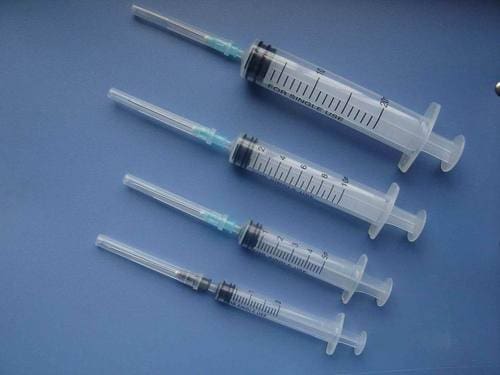
India is one of the world’s largest hubs for medical device manufacturing, and syringe production is a major part of this ecosystem. Indian manufacturers supply large volumes of single-use and specialty syringes to hospitals, clinics, and pharmaceutical companies across domestic and international markets.
Choosing the right syringe manufacturer is critical. It directly impacts patient safety, regulatory compliance, supply consistency, and overall cost efficiency. This article explains what hospitals and pharma companies should look for in syringe manufacturers in India, including quality standards, regulatory requirements, manufacturing capabilities, and a practical vendor-evaluation checklist.
Why Choose Indian Syringe Manufacturers
India is a preferred sourcing destination for syringes due to several strong advantages.
Cost Efficiency
Indian manufacturers offer competitive pricing due to economies of scale and a mature plastics and medical-device industry.
Strong Manufacturing Ecosystem
Large manufacturing clusters exist with experienced suppliers for needles, barrels, plungers, gaskets, and sterile packaging.
Faster Lead Times
Proximity to raw material suppliers such as medical-grade plastics, lubricants, and sterilization services helps reduce production and delivery timelines.
Global Export Experience
Many Indian syringe manufacturers export worldwide and comply with multiple international standards, making documentation and quality assurance easier for buyers.
Key Quality and Regulatory Requirements
Hospitals and pharmaceutical companies must ensure manufacturers meet strict regulatory and quality standards.
Mandatory Certifications
- ISO 13485 for medical device quality management
- CE marking for European Union supply
- US FDA listing or 510(k) clearance where applicable
- BIS and CDSCO registrations for Indian market compliance
Material and Biocompatibility
- Medical-grade material certificates such as USP Class VI
- Biocompatibility and safety reports
Sterilization Validation
- Validated sterilization methods (ETO, gamma, or autoclave)
- Sterility Assurance Level (SAL) documentation
Traceability and Testing
- Batch-wise traceability
- Certificate of Analysis (CoA) for critical production lots
Always request official copies of certifications and validation reports during supplier evaluation.
Manufacturing Capabilities to Evaluate
Not all syringe manufacturers operate at the same technical level. Hospitals and pharma buyers should assess the following capabilities.
Production Technology
- In-house injection molding with multi-cavity tooling
- Tight dimensional control for consistent tolerances
Assembly and Cleanroom Standards
- Integrated needle assembly to reduce dependency on third parties
- ISO-class cleanrooms for final assembly and packaging
Automation and Inspection
- Automated visual inspection systems
- Leak testing and functional testing
Sterilization Infrastructure
- Access to multiple sterilization methods
- Validated partnerships with certified sterilization facilities
Packaging Capabilities
- Unit-sterile blister or peel packs
- Clear labeling and CE-compliant packaging
- Serialization where required
Product Range and Specialization
The supplier’s product portfolio should match your clinical or pharmaceutical needs.
Disposable Syringes
- Multiple volume options
- Luer lock and Luer slip variants
Safety Syringes
- Integrated needle shields
- Retractable needle designs to reduce needlestick injuries
Pre-Filled Syringes
- GMP-compliant manufacturing
- Validated filling and sealing lines
Insulin Syringes
- Ultra-fine needles
- Accurate low-dose delivery
Specialty and Accessories
- Glass syringes for reactive drugs
- Sterile needles, caps, tamper-evident seals
- Custom branding and labeling options
Quality Control and Supply Chain Reliability
Consistent quality and uninterrupted supply are essential for hospitals and pharma companies.
Raw Material Control
- Incoming material testing protocols
- Approved supplier lists for resins, needles, and lubricants
Process Monitoring
- Cp and Cpk metrics for critical dimensions
- In-process quality checks
Batch Release and Reporting
- Lot-release testing for every shipment
- Downloadable batch test reports
Supply Continuity
- Defined safety stock policies
- Emergency production capacity
- Backup sterilization and tooling arrangements
Pricing, MOQ, and Scalability
When evaluating suppliers, consider total cost rather than unit price alone.
Cost Factors
- Per-unit price
- Shipping and duties
- Inspection and compliance costs
Order Flexibility
- Minimum order quantities (MOQs)
- Volume-based pricing slabs
Trial and Pilot Batches
- Small pilot runs before long-term contracts
Pharma-Specific Costs
- Validation support
- Stability studies
- Serialization and documentation requirements
Vendor Evaluation Checklist
Use this checklist to shortlist reliable syringe manufacturers.
- Verify ISO 13485, CDSCO/BIS, CE, and FDA documentation
- Conduct a physical or virtual factory audit
- Review recent CoAs and batch test reports
- Confirm sterilization validation and SAL
- Check batch traceability and recall procedures
- Speak with existing hospital or pharma clients
- Place a pilot order and perform independent QC testing
- Finalize SLAs covering lead time, defects, and corrective actions
Packaging, Labeling, and Compliance
Proper packaging and labeling are critical for clinical use.
Labeling Requirements
- Lot number
- Manufacturing and expiry dates
- Sterilization method
- Storage conditions
- Intended use
Pharma-Specific Needs
- GMP-compliant packaging lines
- Stability sample support
Cold Chain Considerations
- Required for temperature-sensitive kits or biologics
After-Sales Support and Regulatory Assistance
Reliable manufacturers provide ongoing support beyond supply.
Documentation Support
- Audit-ready validation and sterility reports
Complaint Handling
- Defined CAPA (Corrective and Preventive Action) process
Scale-Up Support
- Assistance with registrations and export documentation
Differences Between Hospital and Pharma Buyers
Hospital Buyers
- Focus on safety, cost control, and logistics reliability
- Prefer unit-sterile packaging and safety syringes
Pharmaceutical Buyers
- Require GMP-grade facilities
- Detailed documentation for regulatory filings
- Often need long-term, high-volume contracts
Frequently Asked Questions (FAQ)
Do Indian syringe manufacturers meet international standards?
Yes, many leading Indian manufacturers comply with ISO 13485, CE, and export regulations. Always verify product-specific approvals.
Are safety syringes better than standard disposable syringes?
Safety syringes reduce needlestick injuries and are recommended for hospitals prioritizing staff safety and infection control.
How long does pharma supplier validation take?
Typically 8 to 16 weeks for audits, process validation, and pilot batches, depending on regulatory requirements.
Do Indian manufacturers offer pre-filled syringes?
Yes, but only selected manufacturers with GMP facilities and validated filling lines provide this option.
What should be checked in a pilot shipment?
Dimensional accuracy, sterility indicators, packaging integrity, labeling accuracy, and independent sterility or endotoxin testing if required.
Conclusion
Selecting the best syringe manufacturer in India requires more than comparing prices. Hospitals and pharmaceutical companies must carefully evaluate regulatory compliance, manufacturing capabilities, sterilization expertise, quality control systems, packaging standards, and scalability. By using a structured vendor checklist and validating suppliers through pilot batches and documentation review, buyers can ensure a safe, compliant, and reliable syringe supply for both patient care and pharmaceutical production.