
Have you ever had a tiny wood chip fly straight at your face while working? Or felt that heart-stopping moment when a splash of chemicals heads towards your eyes? Your eyes are incredibly vulnerable, and protecting them should never be an afterthought. So, what makes safety glasses with side shields the go-to choice for maximum protection?
When it comes to workplace eye safety, standard safety glasses simply don’t cut it in many situations. Those sneaky hazards that come from the side—flying debris, dust particles, liquid splashes—can easily bypass regular lenses. That’s where side shields come into play, creating a barrier that wraps around your peripheral vision and blocks threats from multiple angles.
In this guide, we’ll explore everything you need to know about safety glasses with side shields australia. From understanding different types and key features to Australian compliance requirements and task-specific recommendations, you’ll walk away knowing exactly what to look for. Whether you’re a tradie on a construction site, a lab technician, or a weekend DIY warrior, this is your all-in-one resource for keeping your eyes safe.
What Are Safety Glasses with Side Shields?
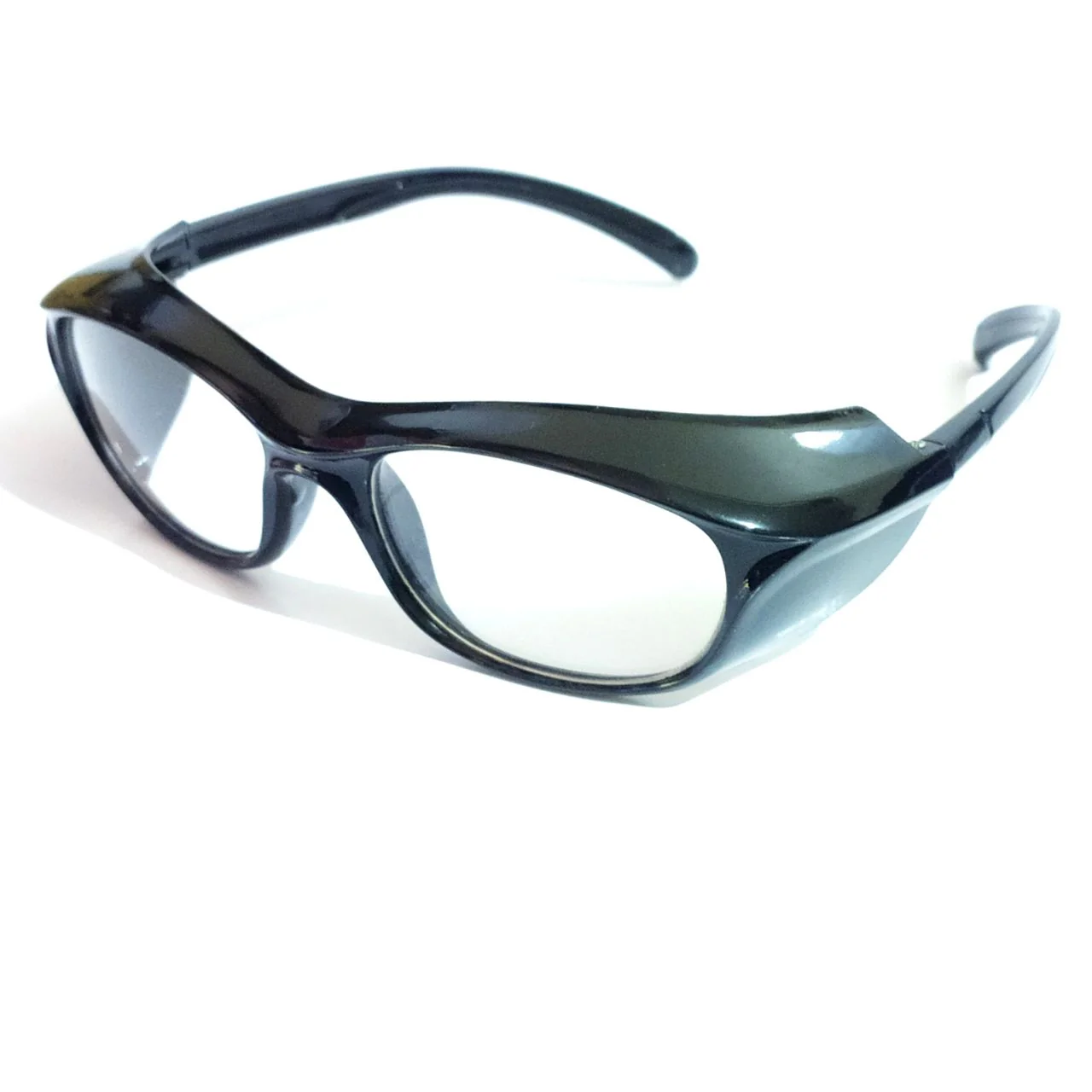
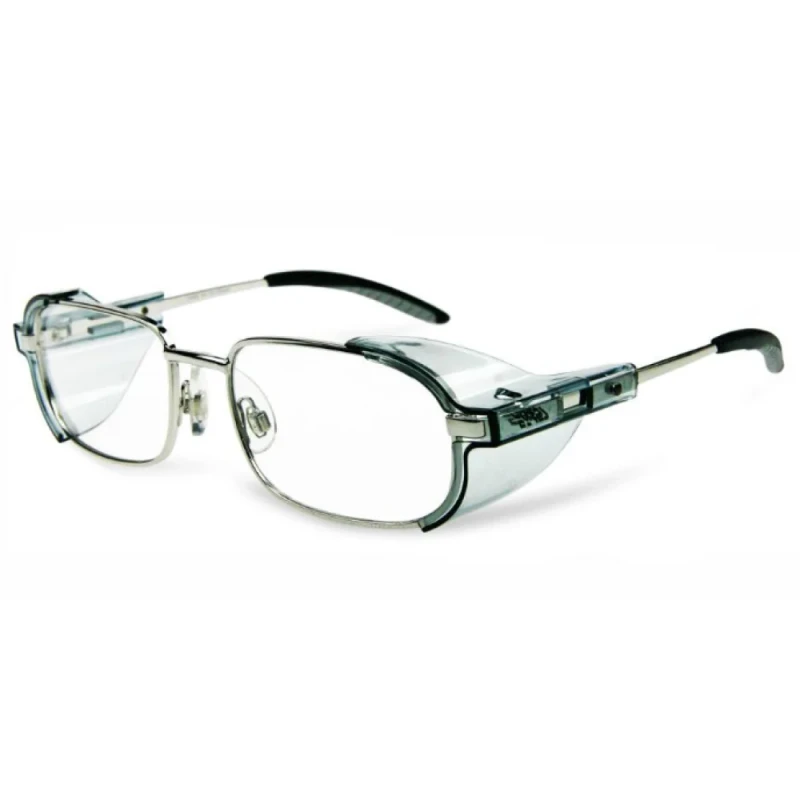
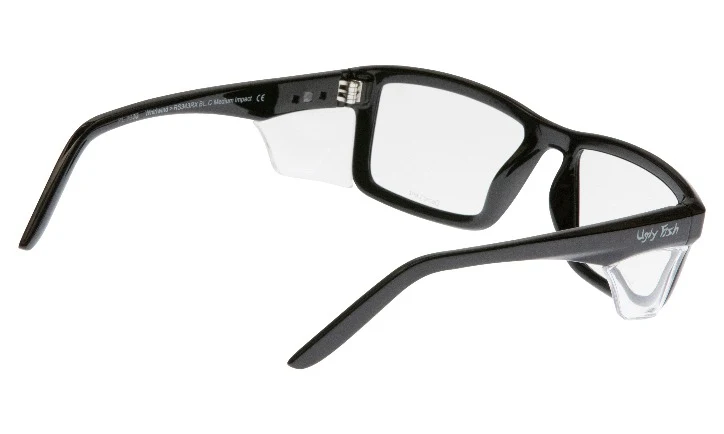
Safety glasses with side shields are protective eyewear featuring additional barriers on the sides of the frames. These barriers extend your protection beyond just the front-facing lenses, creating a more enclosed shield around your eyes.
How Side Shields Provide Extra Protection
Think of side shields as the bodyguards for your peripheral vision. While standard safety lenses protect against frontal impacts, side shields block particles, dust, and liquids approaching from the sides. This is particularly important in environments where hazards can come from any direction.
The side shields work by creating a physical barrier that reduces the gap between your face and the frame. This means fewer entry points for debris, sparks, or chemical splashes. In dusty environments, they also help keep your eyes comfortable by reducing irritation from airborne particles.
Types of Side Shield Designs
You’ll find several side shield styles on the market. Integrated side shields are built directly into the frame, offering a sleek, seamless look. Wrap-around designs curve the lens itself around your face, eliminating the need for separate shields. Clip-on or removable side shields attach to existing frames, providing flexibility for those who need protection only sometimes.
Who Needs Safety Glasses with Side Shields?
The short answer? More people than you might think. From professional tradespeople to home renovators, side shield protection spans numerous applications.
Industries and Professions That Require Side Shield Protection
Construction workers face constant threats from flying debris, dust, and power tool sparks. Manufacturing and mining professionals encounter similar hazards daily. Laboratory technicians working with chemicals need protection against splashes from unexpected angles. Healthcare workers, particularly those in surgical settings, require shielding from biological fluids.
Electricians, welders, and metal fabricators also benefit significantly from side shields. The nature of their work means sparks and metal fragments can approach from virtually any direction. Plus, woodworkers dealing with sawdust and wood chips find side shields essential for comfortable, safe work.
DIY and Home Workshop Applications
You don’t need to be a professional to need proper eye protection. Anyone using power tools, handling chemicals, or doing garden work should consider safety goggles with side shields for sale. That weekend project involving your angle grinder or circular saw? Side shields could save your vision from a stray spark or splinter.
Key Features to Look for in Safety Glasses with Side Shields
Not all safety glasses are created equal. Understanding the key features helps you make a smart choice.
Lens Materials: Polycarbonate vs. Trivex
Polycarbonate lenses are the industry standard for impact resistance. They’re lightweight, affordable, and tough enough for most applications. Trivex lenses offer similar impact resistance but with better optical clarity and slightly lighter weight—ideal if you’re wearing them all day.
Anti-Fog and Anti-Scratch Coatings
Nothing’s more frustrating than foggy lenses impairing your vision mid-task. Anti-fog coatings are essential, especially in humid environments or when moving between temperature extremes. Anti-scratch coatings extend the life of your eyewear, keeping your vision clear despite daily wear and tear.
UV Protection Ratings
If you work outdoors, UV protection is non-negotiable. Look for lenses offering 99-100% UV protection to shield your eyes from harmful rays. This is particularly important in Australia, where UV levels rank among the highest globally.
Comfort and Fit Considerations
The best safety glasses are ones you’ll actually wear. Look for adjustable nose pads, flexible temples, and lightweight designs. A proper fit ensures the side shields sit correctly against your face without uncomfortable pressure points.
Are Side Shields Required by Australian Safety Standards?
Understanding compliance requirements isn’t just about ticking boxes—it’s about genuine protection.
Understanding AS/NZS 1337.1 Compliance
Australian Standard AS/NZS 1337.1 sets out requirements for eye and face protectors for occupational applications. This standard specifies performance requirements including impact resistance, optical quality, and coverage area. Safety glasses meeting this standard will be clearly marked with the relevant certification.
Workplace Health and Safety Obligations
Under Australian WHS legislation, employers must provide appropriate protective equipment for identified hazards. If your risk assessment identifies side-impact hazards, side shields become mandatory—not optional. Employees also share responsibility for wearing provided protective equipment correctly.
Can You Add Side Shields to Regular Safety Glasses?
Already own safety glasses without side shields? You might have options.
Clip-On vs. Integrated Side Shields
Clip-on side shields attach to compatible frames, offering a cost-effective upgrade. They’re particularly useful if you only occasionally need side protection. However, integrated shields typically provide better coverage and stay more securely in place.
When Retrofit Options Work (and When They Don’t)
Retrofit shields work well for low-hazard environments and occasional use. However, for high-risk applications or daily wear, purpose-built safety glasses with integrated side shields offer superior protection and durability. The fit is simply better, with fewer gaps for hazards to sneak through.
What Is the Difference Between Safety Glasses and Safety Goggles?
This is a question we hear often. Safety glasses sit on your face like regular spectacles, while goggles create a sealed enclosure around your eyes. Goggles offer superior protection against dust, liquids, and chemical vapours because they eliminate gaps entirely.
However, goggles can be less comfortable for extended wear and may fog more easily. Safety glasses with side shields strike a balance—offering enhanced protection while maintaining comfort and breathability. For many applications, they provide adequate protection without the downsides of full goggles.
Best Safety Glasses with Side Shields for Specific Tasks
Different jobs demand different features. Here’s what to prioritise for various applications.
Construction and Building Sites
Look for robust frames with excellent impact resistance. Anti-scratch coatings are essential given the dusty environment. Consider tinted lenses for outdoor work and clear lenses for indoor tasks.
Laboratory and Chemical Handling
Chemical-resistant frames and splash-proof designs are critical. Ensure a snug fit to minimise gaps where liquids could enter. Anti-fog coatings help maintain visibility during detailed work.
Woodworking and Metal Fabrication
Impact resistance is paramount when dealing with flying particles. Wrap-around styles offer excellent coverage. For welding applications, ensure appropriate shade ratings for the lens.
Healthcare and Medical Settings
Lightweight, comfortable designs suit long shifts. Easy-clean materials help maintain hygiene. Clear lenses with anti-fog properties support precise work.
Do Safety Glasses with Side Shields Fit Over Prescription Glasses?
For spectacle wearers, this is a crucial consideration.
Over-Spec Options
Over-spec safety glasses are designed to fit comfortably over your regular prescription glasses. They’re typically larger with adjustable features to accommodate various frame sizes. This is an economical solution if you don’t want dedicated prescription safety eyewear.
Prescription Safety Glasses with Built-In Side Shields
For daily use, prescription safety glasses with integrated side shields offer the best experience. They’re lighter, more comfortable, and provide better optical quality than over-specs. Many suppliers offer these in various lens materials and coatings.
How to Properly Care for Your Safety Glasses
Proper maintenance extends the life of your eyewear and ensures ongoing protection.
Cleaning and Maintenance Tips
Clean lenses with mild soap and water, or a dedicated lens cleaner. Avoid abrasive materials that could scratch coatings. Store your glasses in a protective case when not in use to prevent damage.
When to Replace Your Safety Eyewear
Replace safety glasses showing scratches that impair vision, cracked or damaged frames, or loose side shields. After any significant impact, inspect thoroughly and replace if there’s any doubt about integrity. Most manufacturers recommend replacement every two to three years, even without visible damage.
How to Choose the Right Safety Glasses for Your Workplace
Start by identifying your specific hazards—impact, splash, dust, or UV exposure. Match these hazards to appropriate features. Ensure any eyewear meets AS/NZS 1337.1 standards. Finally, try different styles to find a comfortable fit you’ll actually wear consistently.
Protecting Your Vision with the Right Safety Eyewear
Choosing the right safety glasses with side shields isn’t just about compliance—it’s about genuinely protecting one of your most valuable assets. We’ve covered the key features to look for, from lens materials and coatings to proper fit and Australian standards compliance.
The bottom line is simple: side shields provide essential protection against hazards that standard lenses miss. Whether you’re working on a construction site, in a laboratory, or tackling weekend projects at home, that extra barrier could make all the difference.
Your eyes deserve the best protection you can give them. Take the time to assess your specific needs, choose quality eyewear that meets Australian standards, and commit to wearing them properly. It’s a small investment that pays dividends every single day you work safely.
