

Coastal homes, seaside resorts, and beachfront commercial buildings offer stunning views and refreshing ocean breezes. However, these environments also create some of the harshest conditions for building materials. Salt air, humidity, strong winds, and constant moisture accelerate corrosion and structural wear. Because of this, choosing the Best Railing Systems for Coastal environments is critical for safety, durability, and long-term value.
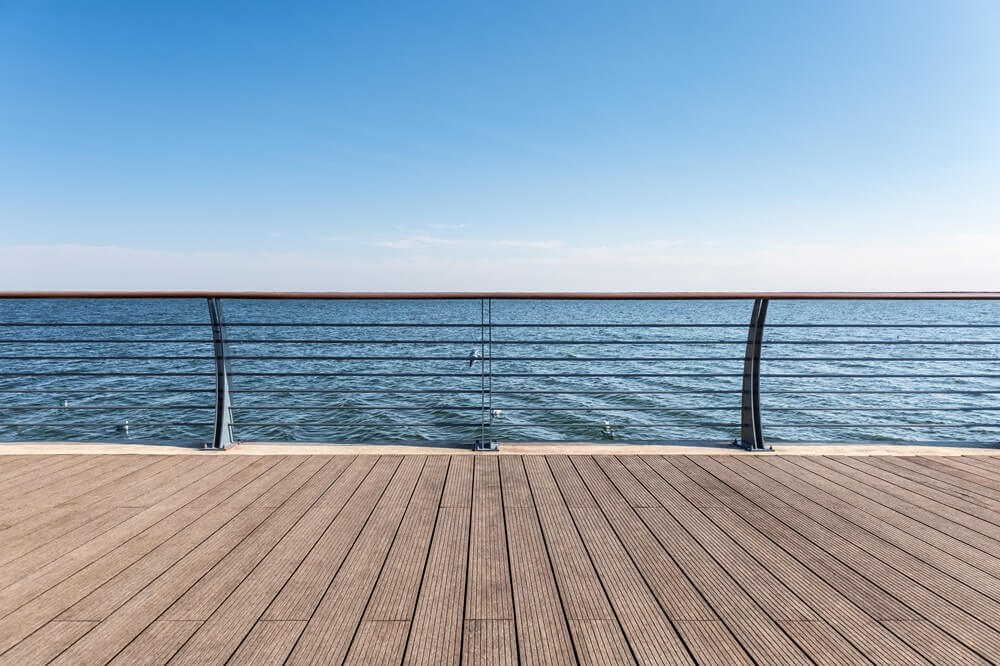
Property owners often prioritize aesthetics when designing balconies, decks, or terraces near the sea. While visual appeal matters, marine conditions demand materials that can withstand salt exposure and extreme weather for many years. A poorly chosen railing system may begin to rust, weaken, or deteriorate within a short time.
This guide explores the best railing solutions for seaside areas, including stainless steel cable railings, glass systems, and marine-grade metal designs. We will also explain how to select the right materials, understand corrosion resistance, and ensure that your railing system performs reliably in seaside environments.
For homeowners, architects, and contractors seeking professional railing solutions, the Unikim website offers a wide range of systems designed for both residential and commercial applications.
Why Coastal Environments Are Tough on Railing Systems
Seaside locations create a unique combination of environmental stresses that quickly degrade many building materials. Salt particles carried by wind settle on metal surfaces and gradually cause corrosion, while moisture from ocean air accelerates the oxidation process.
According to the overview of stainless steel, corrosion occurs when metal reacts with oxygen and moisture. In coastal areas, salt dramatically speeds up this chemical reaction. Because of this, the Best Railing Systems for Coastal environments must resist:
- Saltwater corrosion and pitting
- High humidity and constant moisture
- Strong coastal winds and structural vibration
- Intense UV exposure from direct sunlight
- Abrasive sand and debris carried by wind
If the railing system cannot withstand these factors, structural integrity and appearance may deteriorate quickly, leading to safety hazards.
Key Features of Top-Tier Coastal Railings
Selecting the ideal system for seaside locations requires attention to several structural and chemical characteristics.
- Superior Corrosion Resistance: Materials must resist rust even when exposed to salt air for many years. Marine-grade stainless steel is the preferred option because it contains molybdenum, which significantly improves resistance to chlorides.
- High Structural Strength: Coastal winds can be extremely strong. Railings must be engineered to withstand horizontal pressure and remain stable during storm surges.
- Low Maintenance Requirements: Salt buildup requires periodic cleaning. High-quality systems should require minimal effort to maintain their original luster.
- Modern Architectural Design: Seaside homes often feature open views. Railings should protect occupants while preserving the scenic ocean vistas that define the property.
Popular Railing Options for Beachfront Properties
1. Stainless Steel Cable Railings
Stainless steel cable systems have become a staple in modern seaside architecture. These systems use horizontal stainless steel cables stretched between vertical posts to create a clean, minimalist design. The guide on stainless steel cable wire railing systems explains why these work so well in contemporary beachfront projects.
Advantages:
- Durability: Exceptional performance when constructed from 316-grade steel.
- View Preservation: Slim cables maintain unobstructed views of the coastline.
- Wind Resistance: The open design allows wind to pass through easily, reducing the structural load on the railing posts.
2. Glass Railing Systems
Glass railings are the premier choice for luxury beachfront properties. They provide a completely uninterrupted view of the sea while acting as a windbreak for the terrace.
- Safety: Modern systems use tempered safety glass that shatters into dull fragments if broken.
- Elegance: Offers a high-end, sophisticated architectural finish.
- Wind Protection: Unlike cables, glass panels provide a solid barrier against harsh ocean breezes, making outdoor spaces more comfortable.
3. Why 316 Stainless Steel is Essential
Material selection determines how well a railing system performs in marine environments. There is a significant difference between standard and marine-grade alloys:
| Material | Characteristics | Recommended Use |
| 304 Stainless Steel | Good corrosion resistance | Indoor or inland outdoor railings |
| 316 Stainless Steel | High resistance to salt/chloride | Coastal and marine environments |
The article why 316 stainless steel square lines dominate coastal railings explains how this specific alloy protects against “pitting” corrosion. This is why architects almost always specify 316-grade hardware for the Best Railing Systems for Coastal projects.
Maintenance Tips for Coastal Railings
Even the highest-quality materials require some care to combat the relentless ocean environment.
- Fresh Water Rinse: Periodically rinse stainless steel surfaces with fresh water to remove accumulated salt crust.
- Clear the Glass: Clean glass panels with non-abrasive cleaners to maintain transparency and prevent salt etching.
- Inspect Hardware: Regularly check tensioners and bolts for any signs of vibration-induced loosening from high winds.
Summary
Seaside properties offer breathtaking views, but they demand specialized construction. Selecting the Best Railing Systems for Coastal locations ensures that balconies and decks remain safe and beautiful for decades. Marine-grade 316 stainless steel and tempered glass are the gold standards for resisting harsh ocean conditions.
To explore professional railing solutions or learn more about high-performance hardware, check out the comprehensive guide on rooftop terrace and coastal railing systems or visit the Unikim Railings YouTube channel for installation insights.
FAQs
Q. Why is 316 stainless steel better than 304 for the beach?
A. 316 stainless steel contains molybdenum, a chemical element that specifically prevents saltwater corrosion and “tea staining” that often ruins 304 steel near the ocean.
Q. Do glass railings get dirty quickly near the ocean?
A. Salt spray can create a hazy film on glass, but modern “easy-clean” coatings can be applied to significantly reduce maintenance and keep the view clear.
Q. Can I use wood railings for my beach deck?
A. While possible, wood requires intense maintenance in coastal areas due to rot and salt-induced drying. Stainless steel and glass are far more durable long-term choices.