
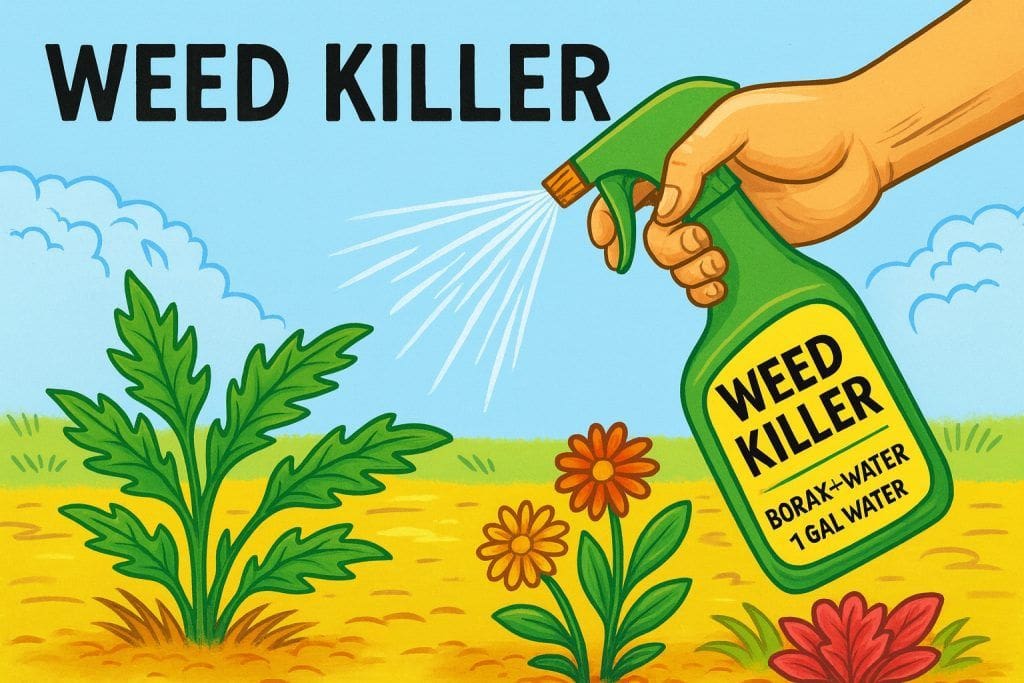
What Is a Weed Killer
A weed killer is any substance used to stop unwanted plants from growing in your yard. These tools help you keep your grass and garden beds looking clean. Some work by killing the leaves, while others target the roots to stop regrowth.
How Weed Killers Work
Most products work by disrupting how a plant grows or eats. Some block the plant’s ability to turn sunlight into food. Others use acids to dry out the leaves quickly. Systemic types travel through the plant to kill it from the inside out.
Types of Weed Killers
There are two main groups: selective and non-selective. Selective ones only kill specific weeds without hurting your grass. Non-selective types, like a strong natural weed killer, will kill almost any plant they touch.
Natural Weed Killer Options
Many homeowners now choose safer ways to manage their yards. These methods avoid harsh chemicals that might harm pets or local bees.
- Vinegar: High acidity burns the plant tissue on contact.
- Corn Gluten Meal: This stops seeds from sprouting in the first place.
- Flame Weeders: High heat collapses the plant cells instantly.
Vinegar as a Natural Weed Killer
Vinegar is a top choice for a natural weed killer because it is cheap. Household vinegar has 5% acetic acid, but 20% horticultural vinegar works much faster. Use it on a sunny day so the sun helps bake the weeds.
Boiling Water for Killing Weeds
Boiling water is the simplest way to kill weeds in sidewalk cracks. It literally cooks the plant and its root system. Be careful not to splash your feet or nearby flowers while pouring.
Salt-Based Natural Weed Killer
Salt kills weeds by dehydrating them and ruining the soil’s water balance. Only use salt in areas where you never want plants to grow again. It can stay in the dirt for a long time and kill your grass.
Baking Soda for Weed Control
Baking soda works well for weeds growing in stone paths. It increases the salt level on the leaf, causing the plant to die. It is a very safe option for homes with small children and pets.
Homemade Weed Killer Recipes
You can make a powerful weed killer homemade solution using items from your pantry. These recipes are easy to mix and apply.
Vinegar, Salt, and Dish Soap Weed Killer
This is the most popular weed killer homemade recipe for patios. Mix one gallon of vinegar with one cup of salt. Add a tablespoon of dish soap to help the liquid stick to the leaves.
Vinegar and Lemon Juice Solution
The citric acid in lemon juice makes vinegar even stronger. Mix four parts vinegar with one part lemon juice. This double-acid punch works great on tough weeds during hot summer afternoons.
Rubbing Alcohol Weed Killer Spray
Rubbing alcohol removes the waxy coating from weed leaves. This causes the plant to lose moisture and wither away. Mix two tablespoons of alcohol with a quart of water in a spray bottle.
Spruce Weed Killer
The weed killer spruce method involves using specific organic products found at garden centers. These are often derived from clove oil or citric acid.
What Is Spruce Weed Killer
A weed killer spruce product is usually a botanical-based spray. These are designed to be “burn-down” herbicides. They work on the visible parts of the weed rather than the roots.
How Spruce Weed Killer Works
These sprays strip away the protective outer layer of the weed. Once this layer is gone, the plant dries out in the sun. They usually show results within just a few hours of application.
Pros and Cons of Spruce Weed Killer
- Pros: It is safe for the environment and works very fast.
- Cons: It may not kill deep roots, so weeds might grow back.
Best Weed Killer for Different Areas
Choosing the best weed killer depends on where the weeds are growing. You don’t want to ruin your lawn while trying to save it.
| Area | Recommended Method | Why? |
| Lawns | Selective Organic Sprays | They save the grass while killing clover. |
| Garden Beds | Mulch and Hand Pulling | Precise and safe for your vegetables. |
| Driveways | Salt or Boiling Water | Nothing else needs to grow there. |
Weed Killer for Lawns
For grass, look for products containing iron (FeHEDTA). This is often cited as the best weed killer for lawns because it kills weeds but feeds the grass. It targets broadleaf plants like dandelions without turning the lawn brown.
Weed Killer for Garden Beds
In garden beds, avoid sprays that drift in the wind. Use a thick layer of cardboard or wood chips to smother weeds. If you must spray, use a direct stream of vinegar right on the weed.
Weed Killer for Driveways and Sidewalks
Driveways can handle stronger treatments like salt or high-strength vinegar. Since you don’t want any plants here, these permanent solutions are perfect. They keep cracks clear for the entire season.
How to Apply Weed Killer Safely
Safety is key when handling any weed killer. Even natural options can irritate your skin or eyes if you aren’t careful.
Best Time to Apply Weed Killer
Apply your treatments on a calm, sunny morning after the dew has dried. Sunlight helps the chemicals work faster. Avoid windy days so the spray doesn’t land on your favorite rose bushes.
Safety Tips When Using Natural Weed Killers
Always wear gloves and long sleeves when using high-strength vinegar. It can cause minor burns on your skin. Keep pets away from treated areas until the liquid has completely dried.
Common Mistakes to Avoid
Many people spray right before it rains, which washes the product away. Another mistake is using too much salt in garden soil. This can make the ground toxic to all plants for years.
How to Prevent Weeds Naturally
The best way to manage weeds is to stop them from ever appearing. Healthy gardens naturally fight off unwanted guests.
Mulching to Stop Weed Growth
Mulch blocks the sunlight that weed seeds need to grow. Use 2-3 inches of wood chips, straw, or pine needles. According to the University of New Hampshire, mulch also keeps your soil moist and cool.
Maintaining Healthy Soil
Healthy soil grows thick plants that crowd out weeds. Test your soil pH to make sure your desired plants have the best chance. Strong roots leave no room for weeds to take hold.
Regular Garden Maintenance
Spend ten minutes every day pulling small sprouts. It is much easier to pull a tiny weed than a large one with deep roots. Consistent care prevents weeds from dropping thousands of new seeds.
Choosing the Best Weed Killer for Your Needs
Finding the best weed killer involves balancing safety and strength. If you have kids and pets, a natural weed killer like vinegar is the smartest choice. For heavy-duty driveway cleanup, a weed killer homemade with salt provides long-lasting results. Always start with the gentlest method first to protect your local environment.
FAQs
Are natural weed killers safe for dogs?
Most natural options like vinegar are safe once they dry. Avoid using large amounts of salt where pets dig.
How long does homemade weed killer take to work?
Vinegar solutions usually show results in 4 to 24 hours. They work best during the hottest part of the day.
Does vinegar kill the roots?
Vinegar usually kills the leaves but may not reach deep roots. You might need to spray tough weeds more than once.
Can I use bleach as a weed killer?
Bleach kills weeds but it is very harsh for the soil. It is better to use vinegar or boiling water instead.