
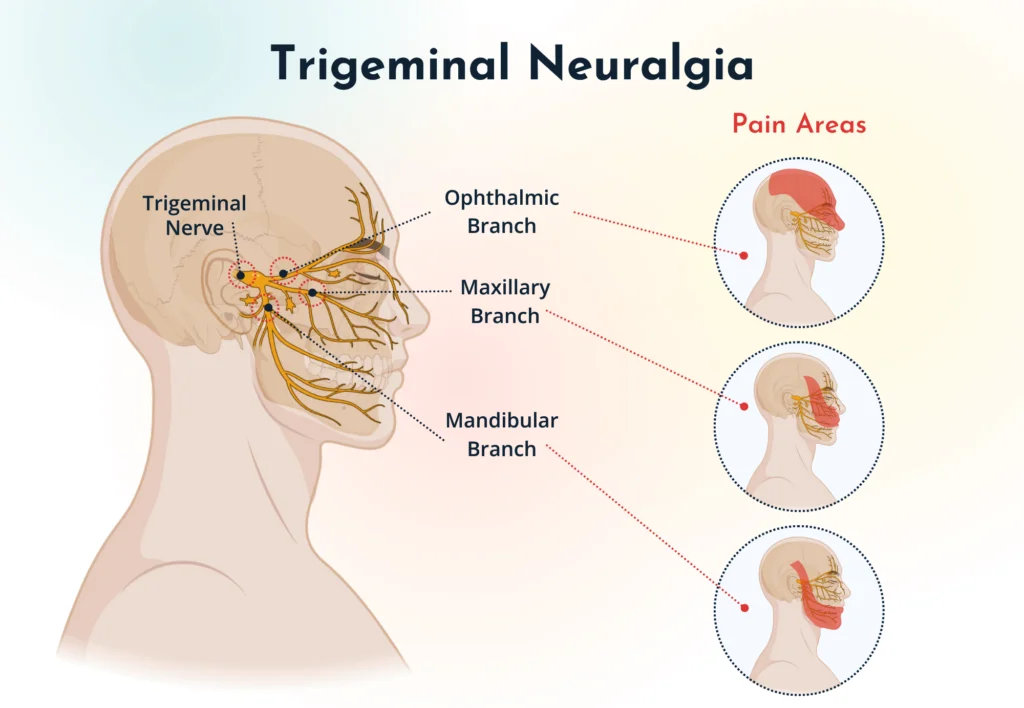
Trigeminal neuralgia (TN) is often described as one of the most severe forms of facial pain. The sudden, electric shock–like attacks can make everyday activities such as eating, speaking, or even brushing teeth unbearable. Finding the right medication is usually the first step toward relief before consulting the Best Neurosurgeon for advanced treatment options. In this guide, we will explore the most effective medications for trigeminal neuralgia pain relief, how they work, their side effects, and when surgery may become necessary.
First-Line Medications for Trigeminal Neuralgia
Carbamazepine is considered the gold standard treatment for trigeminal neuralgia. It works by stabilizing overactive nerve signals that cause pain. Many patients experience noticeable relief within days of starting the medication. It is also FDA-approved for the treatment of trigeminal neuralgia. However, carbamazepine may cause side effects such as dizziness, nausea, drowsiness, low sodium levels, and, in rare cases, serious blood disorders. Regular blood tests are typically recommended to ensure safety.
Oxcarbazepine is similar to carbamazepine but is often better tolerated. It has fewer drug interactions and carries a slightly lower risk of severe side effects. Many patients who cannot tolerate carbamazepine respond well to oxcarbazepine. Despite this, it may still lead to dizziness, fatigue, and low sodium levels, requiring medical supervision.
Second-Line and Alternative Medications
When first-line medications fail to provide sufficient relief or cause significant side effects, doctors may consider alternative treatments. Gabapentin is commonly used for nerve pain and works by stabilizing abnormal nerve activity. It is generally well-tolerated and can be prescribed alone or in combination with other drugs. Some patients may experience mild drowsiness or weight gain, and pain relief may take longer compared to carbamazepine.
Pregabalin works similarly to gabapentin but may act faster in some individuals. It reduces excessive nerve signal transmission and can help manage chronic trigeminal neuralgia pain. Possible side effects include blurred vision, swelling in the hands or feet, and sleepiness.
Baclofen, a muscle relaxant, is another option that helps reduce nerve-related facial pain. It is often combined with carbamazepine for better results. If these medications do not control symptoms effectively, consulting a qualified Neurologist may be necessary to explore advanced treatment options.
Combination Therapy
In many cases, a single medication may not provide complete relief. Physicians may combine medications such as carbamazepine with baclofen or gabapentin to improve pain control. While combination therapy can be effective, it may increase the likelihood of side effects. Careful dosage adjustments and regular follow-up visits are essential to ensure safe and optimal results.
When Medications Stop Working
Over time, some patients develop resistance to medication or experience intolerable side effects. When medications fail to control pain adequately, surgical treatments may be considered. Procedures such as microvascular decompression, Gamma Knife radiosurgery, and radiofrequency rhizotomy can offer longer-lasting relief. A thorough evaluation helps determine the most appropriate treatment plan based on the patient’s condition and overall health.
Important Considerations Before Starting Medication
Medications for trigeminal neuralgia should always be taken exactly as prescribed. Abruptly stopping treatment without medical guidance can worsen symptoms. Patients should inform their doctor about any other medications they are taking to avoid harmful interactions. Regular follow-up appointments allow healthcare providers to monitor effectiveness and detect potential side effects early.
Lifestyle Support Alongside Medication
Although medication is the primary treatment, certain lifestyle adjustments may help reduce the frequency of pain attacks. Avoiding known triggers such as cold air or hard foods can minimize flare-ups. Managing stress through relaxation techniques and ensuring proper sleep can also contribute to better pain control. During severe episodes, consuming soft foods may reduce discomfort while eating.
Conclusion
Trigeminal neuralgia is a challenging condition that can significantly impact quality of life. Fortunately, several effective medications are available to manage pain. Carbamazepine and oxcarbazepine remain the most reliable first-line treatments, while gabapentin, pregabalin, and baclofen provide additional options for patients who need alternative or combination therapy. Early diagnosis, consistent medical supervision, and timely adjustments in treatment can greatly improve outcomes. If medications no longer provide sufficient relief, advanced procedures may offer hope for long-term pain control and a better quality of life.
FAQs
What is the most effective medication for trigeminal neuralgia?
Carbamazepine is widely considered the most effective medication and is specifically approved for treating trigeminal neuralgia.
How long does it take for medication to work?
Some medications, particularly carbamazepine, may begin reducing pain within a few days. Others may require several weeks to reach full effectiveness.
Can trigeminal neuralgia be cured with medication?
Medications help control symptoms but do not cure the underlying cause. Some patients may eventually need surgical treatment if medications become ineffective.
Are there natural alternatives to medication?
Lifestyle changes and stress management can help reduce triggers, but they should not replace prescribed medical treatment.