

Problem:
Your skin feels tight, dull, or flaky—even when you moisturize daily.
Agitation:
Most people treat dehydration like dryness. That mistake leads to the wrong products, irritated skin, and wasted money.
Solution:
The right hydrating face mask can quickly restore water levels, repair the skin barrier, and bring back bounce. This guide breaks down what actually works, why it works, and how to choose the best option for your skin.
read more from this article: https://meobeauty.net/best-hydrating-face-masks/
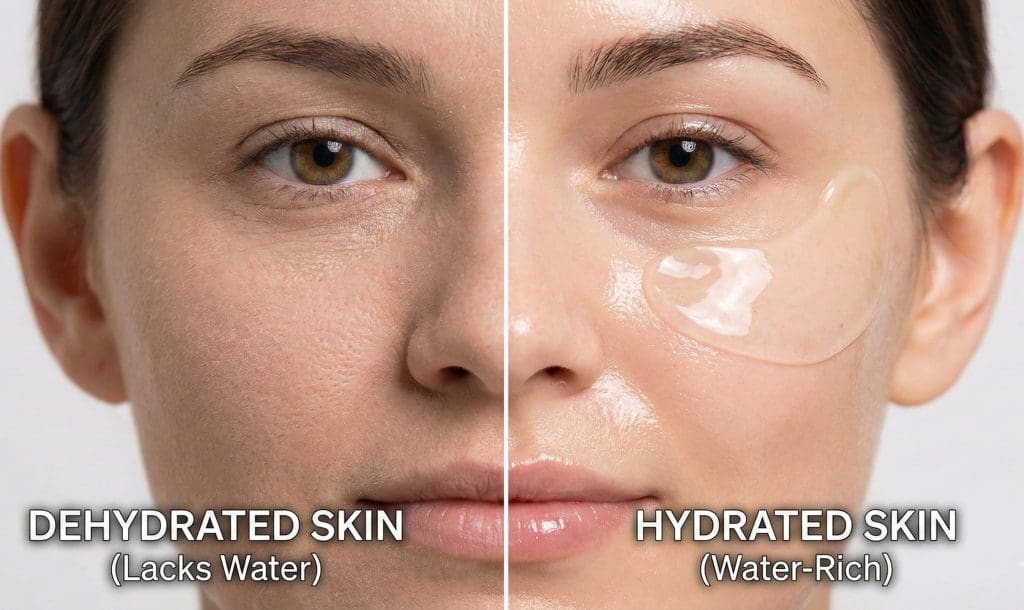
What Is Dehydrated Skin (and How Is It Different From Dry Skin?)
Dehydrated skin lacks water, not oil. Dry skin lacks oil. You can have both, or just one.
Common signs of dehydrated skin
- Tight feeling after cleansing
- Dull or tired appearance
- Fine lines that disappear when skin is damp
- Makeup separating or cracking
Why oily skin can still be dehydrated
Oily skin often overproduces sebum to compensate for water loss. Harsh cleansers and alcohol-based products make it worse by damaging the skin barrier and increasing transepidermal water loss (TEWL).
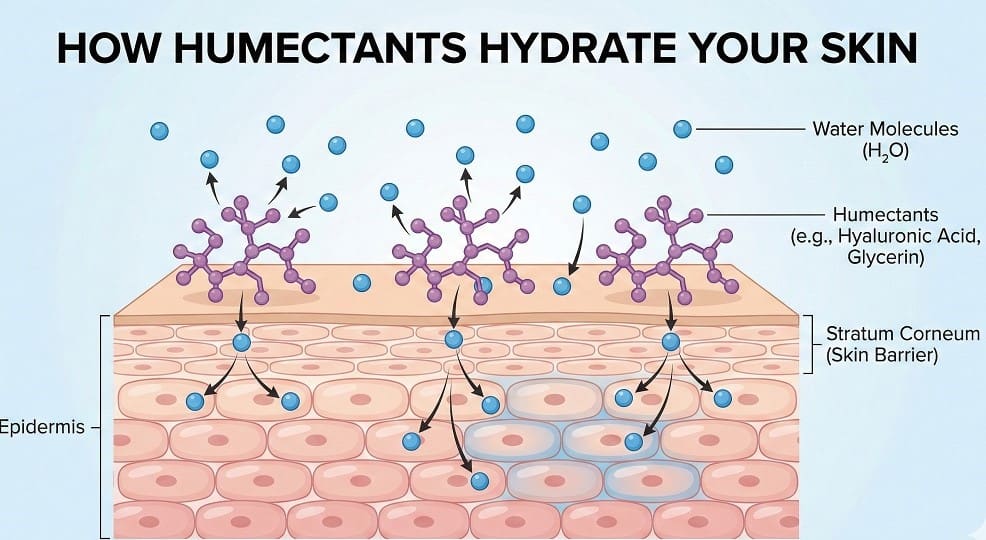
How Hydrating Face Masks Work on Dehydrated Skin
Hydrating face masks work in layers. Each layer has a job.
The hydration process explained
- Humectants pull water into the skin
- Emollients smooth and soften rough texture
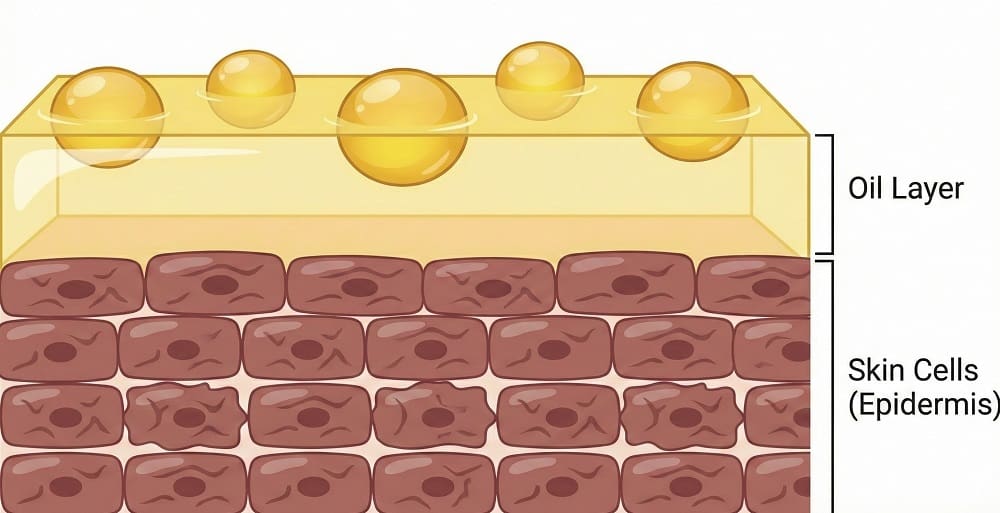
- Occlusives seal moisture and reduce evaporation
When all three are present, hydration lasts longer and irritation drops.
Why skin barrier repair matters
A damaged barrier leaks water. Even the best mask won’t help if moisture escapes fast. Ingredients like ceramides and niacinamide help rebuild that barrier.
Best Ingredients to Look for in Hydrating Face Masks
High-performance hydrating ingredients
- Hyaluronic Acid: Holds up to 1,000x its weight in water
- Glycerin: Draws moisture deep into the skin
- Aloe Vera: Soothes while hydrating
- Ceramides: Strengthen the skin barrier
Hyaluronic Acid vs Glycerin (Quick Comparison)
| Feature | Hyaluronic Acid | Glycerin |
|---|---|---|
| Water attraction | Very high | High |
| Skin types | All, including sensitive | All |
| Best use | Instant plumping | Long-lasting hydration |
Ingredients to avoid if your skin is dehydrated
- High concentrations of alcohol denat
- Harsh clay masks
- Overuse of exfoliating acids
These strip water and weaken the barrier.
Types of Hydrating Face Masks (Which One Should You Choose?)
Each format solves a different problem.
Sheet masks
- Best for quick hydration boosts
- Create an occlusive seal
- Ideal before events
Gel masks
- Lightweight and cooling
- Great for sensitive or oily skin
Cream masks
- Rich and nourishing
- Better for dry-dehydrated skin
Overnight hydrating masks
- Work while you sleep
- Best for chronic dehydration
Best Hydrating Face Masks for Dehydrated Skin (Expert Picks)
The best masks combine humectants + barrier repair. Avoid masks that promise instant glow but skip skin science.
At https://meobeauty.net/, you’ll find carefully curated beauty products designed to support real skin needs—not trends. Choosing masks with proven ingredients makes hydration predictable, not guesswork.
Best for sensitive skin
Look for:
- Aloe vera
- Panthenol
- Fragrance-free formulas
Best budget-friendly options
Affordable masks work when they include:
- Glycerin
- Hyaluronic acid
- Minimal irritants
Best overnight hydration
Choose masks with:
- Ceramides
- Squalane
- Light occlusives
How Often Should You Use a Hydrating Face Mask?
Frequency depends on severity.
- Mild dehydration: 1–2 times per week
- Moderate dehydration: 2–3 times per week
- Severe dehydration: Add an overnight mask weekly
Signs you’re overdoing it
- Stinging
- Redness
- Breakouts
Hydration should calm skin, not stress it.
Common Mistakes That Make Skin Dehydration Worse
- Using foaming cleansers too often
- Skipping moisturizer after masking
- Over-exfoliating
- Ignoring sunscreen
Hydration fails when daily habits undo progress.
FAQ: Hydrating Face Masks for Dehydrated Skin
What is the best face mask for dehydrated skin?
The best masks use humectants like hyaluronic acid and glycerin, plus ceramides to prevent water loss.
These ingredients hydrate deeply while supporting the skin barrier for longer-lasting results.
How often should I use a hydrating face mask?
Most people benefit from using a hydrating mask 2–3 times per week.
Overuse can irritate skin, especially if formulas contain active ingredients.
Are sheet masks good for dehydrated skin?
Yes, sheet masks are excellent for dehydrated skin because they lock moisture in.
They work best when followed by a moisturizer to seal hydration.
Can oily skin be dehydrated?
Yes. Dehydration is about water, not oil.
Oily skin often lacks water due to harsh cleansing or over-exfoliation.
What ingredients should I avoid if my skin is dehydrated?
Avoid alcohol-heavy formulas, harsh clays, and frequent exfoliating acids.
These weaken the skin barrier and increase moisture loss.
Final Takeaway
Dehydrated skin needs water first, not heavier oils. The right hydrating face mask—used correctly—can restore comfort, glow, and resilience faster than daily moisturizers alone.
Choose smart ingredients, respect your barrier, and let hydration work the way it’s supposed to.
