
Industrial projects involve complex structures, elevated work zones, and tasks where workers face consistent height exposure. A single fall can cause serious injuries, project delays, and compliance problems. Many industries use mixed or outdated equipment, which increases safety risks and makes inspections harder.
Falling from height remains one of the most common industrial incidents. These events often occur because projects lack a certified fall arrest system designed for the type of work performed. When equipment does not match project conditions, worker protection weakens, and compliance gaps appear.
A certified fall arrest system helps prevent these incidents. It supports safe movement, reduces fall distance, and ensures controlled arrest. Indian Inovatix, a trusted manufacturer, supplier, and specialist, provides fall protection systems built for EPC, PEB, maintenance, and infrastructure environments. Knowing how to select the right system helps safety teams protect workers while meeting industrial requirements.
Understanding What a Fall Arrest System Does
A fall arrest system stops a worker after a fall. It uses connectors, harnesses, and anchorage points to support controlled deceleration. The system must keep the worker stable, prevent impact with lower obstacles, and limit arrest forces.
Different industrial tasks need different system types. Choosing the wrong solution reduces safety, shortens equipment life, and increases audit complications. Understanding system structure helps safety teams select suitable models for plant operations.
Types of Fall Arrest Systems Used in Industrial Projects
Selecting the best fall arrest system requires knowing how each system supports specific tasks. Each project stage needs features that match mobility, anchor access, and working height.
Personal Fall Arrest System
A personal fall arrest system protects a single worker using a full body harness, connectors, and a secure anchorage point.
It is suitable for maintenance, inspection, and localized tasks where mobility is limited but fall risk remains.
Where It Works Best
- Equipment servicing
- Shut-down maintenance
- Access on platforms
- Routine inspections
Horizontal Lifeline System
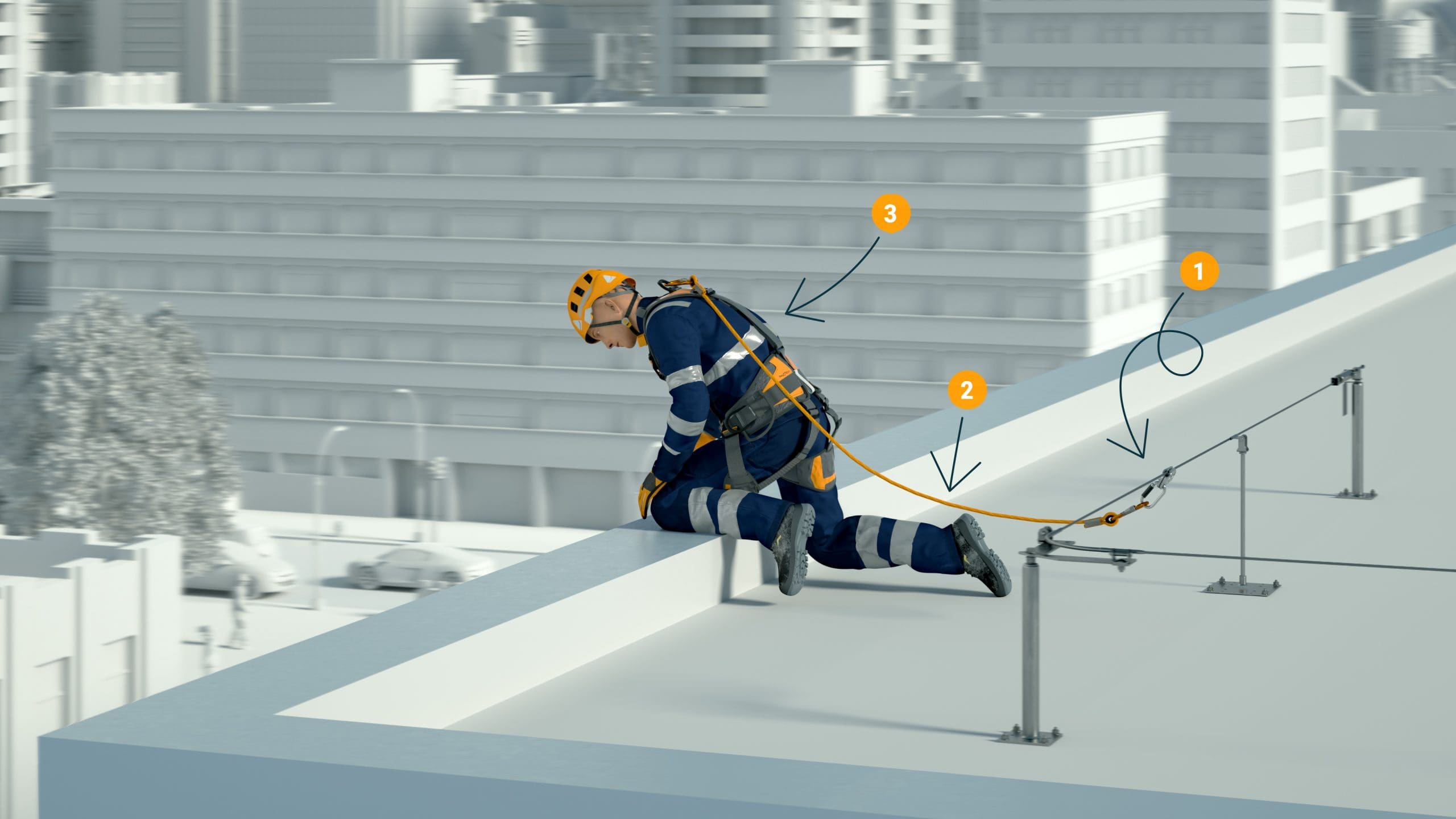
A horizontal lifeline system allows workers to move laterally across beams, rooftops, or walkways. The user remains attached while traveling along the span.
This improves mobility and reduces the need for repeated anchor changes.
Best Use Areas
- Roof work
- Steel structures
- PEB buildings
- Loading bays
Vertical Fall Arrest System
A vertical fall arrest system protects workers who climb ladders, towers, or vertical structures. It offers guided movement through a rope or rail mechanism.
This system holds the worker upright during a fall and restricts downward force.
Suitable For
- Industrial ladders
- Telecom towers
- Vertical access points
- Utility structures
Ladder Fall Arrest System
A specialized ladder fall arrest system protects workers climbing fixed ladders in plants and industrial units.
The system prevents uncontrolled descent and maintains stable alignment during slips.
Ideal For
- Factory ladders
- Storage tanks
- Utility access ladders
- Multi-level structures
Roof Fall Arrest System
A roof fall arrest system helps teams performing construction, inspection, or maintenance on roofs.
It reduces risk during edge work, slope access, and fragile-surface tasks.
Common Uses
- Roof assembly
- HVAC access
- Solar panel work
- Gutter installation
Retractable Fall Arrest Blocks
Retractable blocks support controlled movement by adjusting cable length automatically.
They react quickly during sudden descent and shorten fall distance.
Best For
- Platforms
- Mechanical bay access
- Confined space entries
- Vertical climbs
How to Choose the Best Fall Arrest System for Your Project
Selecting the right fall arrest system requires evaluating project requirements, worksite design, and task patterns. A system that works on a roof may not suit ladder access. Safety officers must assess hazards, mobility needs, and anchorage availability.
Identify Working Height Zones
Each project includes different height levels. Some require movement across long spans, while others need vertical support. Map out all height zones before selecting a system.
Key Considerations
- Height of access points
- Edge distance
- Surface condition
- User movement pattern
Understand Worker Mobility Requirements
Workers may need full-range mobility, short travel paths, or vertical climbing support.
Systems must match mobility needs to avoid slack, obstruction, or unsafe anchoring.
Evaluate These Factors
- Horizontal movement length
- Frequency of climbing
- Repetitive access paths
- Multi-user or single-user requirement
Assess Anchorage Points
Fall arrest systems depend on secure anchor points. Poor anchorage selection increases load risk and causes system failure.
Inspect available anchor positions based on structure type and load capacity.
Anchor Assessment Checklist
- Material strength
- Span length
- Load rating
- Ease of installation
Check Compliance and Certification
Industrial projects require equipment that meets standards and passes inspection.
Using uncertified equipment creates compliance issues and audit failures.
Focus on
- Standard markings
- Test reports
- Load ratings
- Documentation availability
Evaluate Durability for Industrial Conditions
Fall arrest systems face heat, dust, chemical exposure, and heavy daily use.
Durability ensures long service life and consistent performance.
Durability Factors
- Corrosion resistance
- Weather performance
- Cable strength
- Housing material
Match the System to Worker Equipment
The fall arrest system must connect safely with the full body harness and connectors used by the team.
Compatibility ensures stable operation during routine tasks.
Check
- D-ring alignment
- Connector locking
- Rope or rail interface
- Lanyard length
Consider Maintenance and Inspection Requirements
All fall protection systems need regular inspection.
Choose systems that offer easy inspection, visible indicators, and low maintenance demands.
Inspection Needs
- Visual wear checks
- Fall indicators
- Smooth movement
- Anchor integrity
How Indian Inovatix Helps You Choose the Right System
Indian Inovatix supports EPC contractors, industrial plants, and safety teams with certified fall protection systems.
The company designs solutions suited for ladders, roofs, platforms, steel structures, and long-span movement. With manufacturing capability and industry knowledge, Indian Inovatix guides buyers through system selection, installation planning, and compliance support.
Why Safety Teams Prefer Indian Inovatix
- Certified products that meet required standards
- Strong materials for harsh conditions
- System designs that support continuous industrial work
- Clear documentation for audits
- Reliable supply for large projects
Mini Case Example: EPC Company Needs Multi-Zone Fall Protection
A major EPC contractor was working on a multi-level steel structure. Workers required horizontal movement, ladder access, and roof safety. Using basic lanyards created delays and high risk.
Indian Inovatix supplied a mix of horizontal lifelines, ladder fall arrest systems, and retractable blocks. After installation, the site reduced fall incidents, improved workflow, and met compliance targets.
Results
- Faster movement across beams
- Controlled ladder climbing
- Better audit performance
- Reduced downtime
FAQ
1. What is the best fall arrest system for industrial projects?
The best system depends on movement needs, working height, and anchor availability.
2. When should I use a horizontal lifeline?
Use it for long-distance movement across beams or roofs.
3. Is a personal fall arrest system enough for plant maintenance?
Yes, for localized tasks with stable anchor points.
4. What system works best for ladder access?
A ladder fall arrest system offers guided climbing and stable support.
5. Do roof workers need a special fall arrest system?
Yes, roof systems reduce risk during edge and slope work.
6. How do I choose between rope and rail systems?
Choose based on structure type, user frequency, and required durability.
7. What is the arrest distance in fall protection?
It is the combined distance required to stop a fall safely.
8. Should I use a retractable block or lanyard?
Use retractables for mobility and reduced slack.
9. Do fall arrest systems require training?
Yes, all workers should understand use and inspection.
10. Does Indian Inovatix supply complete fall protection systems?
Yes, the company manufactures and supplies certified systems for industrial applications.
Conclusion
Choosing the best fall arrest system supports safe industrial work, reduces incident risk, and ensures compliance. Each project needs equipment that matches its height zones, mobility needs, and anchor conditions. A suitable system protects workers and helps teams maintain productivity across daily tasks.
Indian Inovatix, a trusted manufacturer, supplier, and specialist, provides certified fall protection systems designed for industrial environments. These systems deliver strength, comfort, and stable performance, helping safety teams manage risks across complex projects. Every worker deserves safety. Equip your team with certified fall protection today. Enquire now for bulk pricing, request a quote, or customize solutions.