
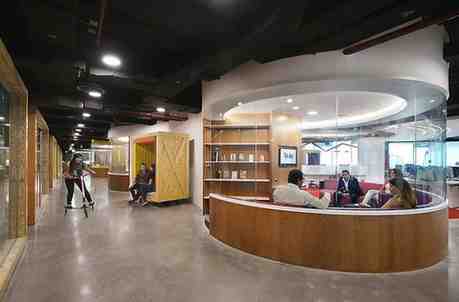
Abu Dhabi, the capital of the United Arab Emirates, is more than a political and cultural centre. It has grown into a powerful commercial hub that attracts multinational corporations, regional headquarters, startups, and professional firms. Prime business districts such as Abu Dhabi Global Market (ADGM) on Al Maryah Island, Al Reem Island, and Masdar City offer world-class infrastructure and premium office developments. In such competitive locations, office layout plays a vital role in shaping productivity, employee satisfaction, and long-term business performance.
Modern organisations in Abu Dhabi are rethinking how office spaces function. With hybrid working models, evolving employee expectations, and rapid technological adoption, the best commercial office layouts in Abu Dhabi commercial properties are those that blend flexibility, efficiency, comfort, and brand identity. A well-designed workspace supports collaboration while allowing focus, promotes well-being, and adapts easily to changing business needs.
Open-Plan Office Layouts That Encourage Collaboration
Open-plan layouts remain one of the most widely adopted office designs across Abu Dhabi’s commercial districts. These layouts encourage communication, transparency, and teamwork by reducing physical barriers between employees. Open spaces allow ideas to flow freely and foster a sense of shared purpose, which is especially beneficial for fast-paced industries such as finance, technology, and consulting.
However, productivity-driven open-plan offices are no longer completely open. The most successful designs introduce structure through designated zones. Collaborative areas for team discussions are balanced with quiet zones for focused work. Acoustic panels, soft furnishings, and partial partitions help reduce noise without compromising openness. This thoughtful balance ensures employees can work efficiently without constant distractions.
Hybrid Office Layouts Designed for Flexibility
Hybrid office layouts have become increasingly important as flexible working arrangements gain popularity in Abu Dhabi. Many businesses now view the office as a collaboration hub rather than a place for permanent desk occupancy. Hybrid layouts focus on adaptability, allowing spaces to serve multiple functions throughout the day.
Movable partitions, modular furniture, and multipurpose rooms are central to these designs. Meeting rooms can transform into training spaces, project areas, or client presentation zones. Hot-desking and bookable workstations optimise space usage while supporting fluctuating attendance. These layouts ensure that offices remain functional and relevant as workforce patterns evolve.
Wellness-Centred Office Design for Higher Productivity
Employee well-being is a key driver of productivity-focused office layouts. In Abu Dhabi’s business environment, wellness-centred designs are becoming a standard rather than a luxury. Offices that prioritise natural light, ergonomic furniture, and comfortable circulation areas tend to see higher engagement and lower absenteeism.
Biophilic design elements such as indoor plants, green walls, and natural textures help create a calming atmosphere within urban office environments. Wellness rooms, quiet zones, and breakout lounges allow employees to recharge during the workday. Adjustable desks and ergonomic seating support physical comfort, enabling employees to remain focused and productive for longer periods.
Zoned Office Layouts That Improve Workflow Efficiency
Zoned office layouts are particularly effective in large commercial spaces. By clearly defining areas based on function, businesses can improve workflow efficiency and reduce unnecessary movement. Reception areas set a professional tone for visitors, while collaboration hubs encourage teamwork and innovation. Focus zones are designed for tasks that require concentration, and breakout spaces support informal interactions and idea sharing.
Clear zoning helps employees intuitively understand how to use the space. When staff know exactly where to go for meetings, focused work, or relaxation, daily operations become smoother and more efficient. This structured approach is especially valuable in high-traffic offices within Abu Dhabi’s major business districts.
Smart Office Layouts with Integrated Technology
Technology integration is a defining feature of productive office layouts in Abu Dhabi. Smart office designs increasingly incorporate digital tools that enhance efficiency and comfort. Automated lighting and climate control systems adjust based on occupancy, improving energy efficiency and creating a more comfortable working environment.
Meeting rooms equipped with advanced video conferencing technology support seamless collaboration with global teams. Digital booking systems for desks and rooms reduce scheduling conflicts, while high-speed connectivity ensures uninterrupted workflows. Data-driven insights from smart systems also help businesses optimise space usage over time.
Brand-Focused Office Layouts with Cultural Identity
Brand identity and cultural relevance play an important role in modern office design. In Abu Dhabi’s diverse and international business landscape, offices are becoming extensions of a company’s values and vision. Incorporating brand colours, visual storytelling, and regional design elements creates a sense of belonging and pride among employees.
Subtle references to local culture, such as geometric patterns or curated artwork, add character without overwhelming the space. A brand-centric layout strengthens corporate identity, leaves a positive impression on clients, and helps companies stand out in competitive business districts.
Optimising Small Office Spaces for Maximum Productivity
Smaller offices and startups also benefit from thoughtful layout planning. In compact spaces, productivity depends on efficient design choices. Vertical storage, built-in cabinetry, and multifunctional furniture help maximise usable space. Clear pathways and clutter-free layouts make small offices feel open and organised.
Even limited office spaces can support productivity when layouts are carefully planned around actual work needs rather than traditional desk arrangements. This approach is particularly relevant for growing businesses looking to scale efficiently.
Conclusion
The best commercial office layouts for productivity in Abu Dhabi’s business districts are those that align design with purpose. Whether operating from a premium tower in ADGM or a flexible workspace on Al Reem Island, businesses benefit from layouts that support collaboration, focus, flexibility, and well-being.
By embracing structured open plans, hybrid-ready designs, wellness-focused features, smart technology, and strong brand identity, companies can transform their offices into high-performing environments. In a city as forward-thinking as Abu Dhabi, a well-designed office is not just a workplace but a strategic asset that drives productivity and long-term success.
