

Dealing with an itchy, flaky scalp is frustrating. The constant scratching, visible flakes, and discomfort can affect confidence. Choosing the right anti-dandruff shampoo can stop the irritation and restore scalp health quickly. This guide explains which shampoos work, why they work, and how to use them effectively.
Understanding Dandruff and Itchy Scalp
Dandruff vs Dry Scalp: Key Differences
Not all flakes are created equal. Dandruff is often caused by fungal activity, while dry scalp results from a lack of moisture. Misidentifying your condition can worsen itching.
Key differences:
- Dandruff: Oily flakes, redness, sometimes fungal-related
- Dry Scalp: Fine, powdery flakes, tightness, often triggered by weather or harsh shampoos
Common Triggers of Itchy Scalp
- Overproduction of scalp oil
- Fungal overgrowth (Malassezia yeast)
- Sensitivity to hair products
- Stress or hormonal changes
Anti-Dandruff Shampoo Ingredients That Work
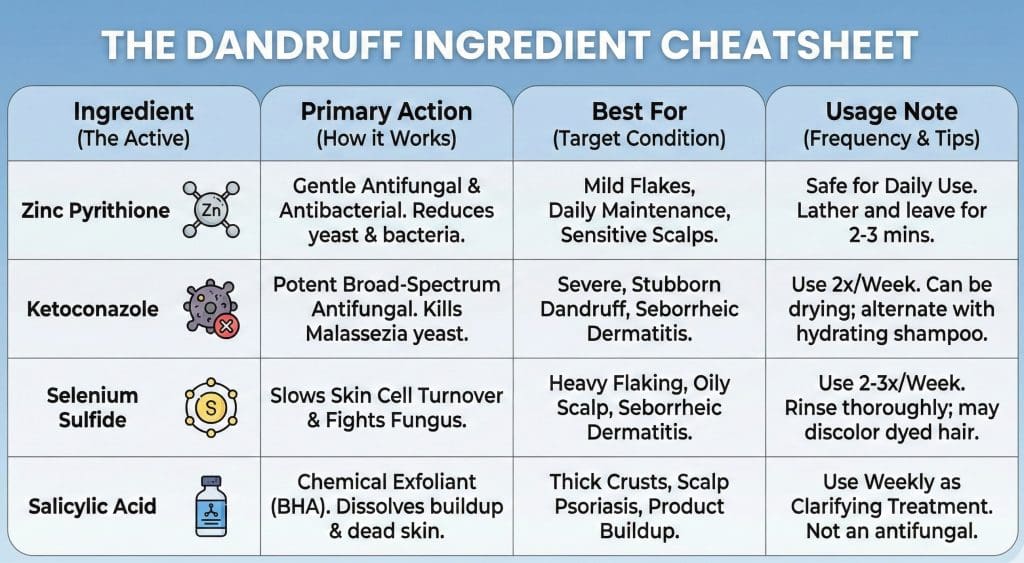
Certain ingredients target the root causes of flakes and itch. Understanding them helps you choose the right shampoo.
| Ingredient | Benefits | Ideal For |
|---|---|---|
| Ketoconazole | Fights fungal growth | Severe dandruff, seborrheic dermatitis |
| Zinc Pyrithione | Reduces flakes & itching | Mild to moderate dandruff |
| Selenium Sulfide | Controls oil and fungal activity | Oily scalp prone to dandruff |
| Salicylic Acid | Exfoliates scalp | Thick, stubborn flakes |
| Tea Tree Oil | Soothes irritation | Sensitive scalp, mild dandruff |
Medicated vs Cosmetic Shampoos
- Medicated: Contain active ingredients like ketoconazole or zinc pyrithione
- Cosmetic: Focus on cleansing & minor relief
- Tip: Severe itch requires medicated shampoos, while mild dandruff can start with cosmetic options
Natural & Soothing Ingredients
- Tea tree oil
- Aloe vera
- Fragrance-free formulas
These are suitable for sensitive or color-treated hair, reducing irritation while controlling flakes.
Top Anti-Dandruff Shampoos for Itchy Scalp (Expert Picks)
Choosing a shampoo depends on scalp type and severity. Here are top recommendations:
For Sensitive Scalp:
- Fragrance-free, sulfate-free anti-dandruff shampoos
- Gentle ingredients like aloe vera or tea tree oil
For Severe Flakes / Persistent Dandruff:
- Ketoconazole-based shampoos
- Selenium sulfide formulas for oilier scalps
Budget-Friendly Options:
- Zinc pyrithione shampoos
- Readily available, effective for mild to moderate dandruff
How to Use Anti-Dandruff Shampoo Correctly
Proper use ensures maximum relief.
Frequency of Use
- Most shampoos: 2–3 times per week
- Medicated shampoos: leave on scalp 3–5 minutes before rinsing
Common Mistakes That Worsen Dandruff
- Overwashing or underwashing
- Skipping treatment during flare-ups
- Using harsh shampoos with sulfates
How Long Until You See Results
- Mild dandruff: 1–2 weeks
- Severe cases: 4–6 weeks with consistent use
Beyond Shampoo – Complete Itchy Scalp Care
Shampoos help, but long-term scalp health requires additional care.
Maintenance Tips
- Use scalp serums for hydration
- Avoid excessive heat styling
- Maintain scalp pH balance
When to See a Dermatologist
Persistent flakes or itching may indicate seborrheic dermatitis, psoriasis, or fungal infection. Professional treatment ensures correct diagnosis and effective relief.
Lifestyle & Diet Considerations
- Reduce sugar and processed foods
- Stay hydrated
- Manage stress to prevent flare-ups
FAQ
What is the best shampoo for itchy dandruff scalp?
Bold Answer: The best shampoo contains ketoconazole, zinc pyrithione, or selenium sulfide to reduce flakes and itching effectively.
Explanation: Ingredients target fungal overgrowth, soothe irritation, and restore scalp health. Choose based on severity and sensitivity.
How often should I use anti-dandruff shampoo?
Bold Answer: Use 2–3 times per week, leaving medicated formulas on the scalp for 3–5 minutes before rinsing.
Explanation: This ensures active ingredients work without over-drying the scalp.
Can anti-dandruff shampoo stop scalp itching permanently?
Bold Answer: It can control itching long-term, but consistent use and maintenance are key.
Explanation: Switching to maintenance shampoos after symptoms improve helps prevent recurrence.
Is dandruff caused by dry scalp?
Bold Answer: No. Dandruff is usually caused by fungal overgrowth, not lack of moisture.
Explanation: Dry scalp produces fine flakes, while dandruff flakes are often oily and yellowish.
Are sulfate-free anti-dandruff shampoos effective?
Bold Answer: Yes, if they contain active ingredients like zinc pyrithione or ketoconazole.
Explanation: They are ideal for sensitive or color-treated hair, providing dandruff control with less irritation.
Pro Tip for meobeauty.net readers: Regularly using the right shampoo and maintaining a gentle scalp routine will dramatically reduce itching and flakes, giving hair a healthy, comfortable scalp.
