
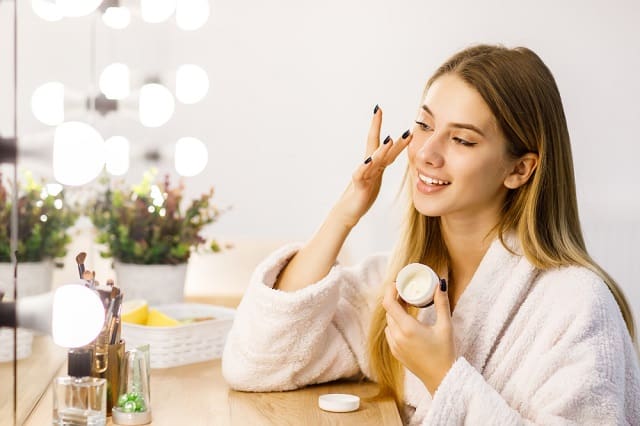
Introduction: The Power of Beauty and Skincare
In today’s world, Beauty & Skincare are more than just trends—they’re essential parts of self-care and personal confidence. The way we treat our skin directly impacts how we look, feel, and even how we age. Whether you’re a minimalist with a three-step routine or a skincare enthusiast with an arsenal of serums, one thing remains true: beauty starts with healthy, well-nourished skin.
This article explores everything you need to know about beauty and skincare—what defines beauty, how to build an effective skincare routine, the science behind common ingredients, and the latest global trends shaping the future of skincare.
1. Understanding the Concept of Beauty and Skincare
Beauty has always been a dynamic concept—it evolves with time, culture, and technology. In ancient times, people used natural ingredients like honey, olive oil, and herbs to enhance their appearance. Today, science has advanced our understanding of the skin, allowing for customized routines and cutting-edge treatments.
Skincare, in its essence, is about maintaining the health and vitality of your skin. It’s not just about looking good; it’s about protection, prevention, and nourishment. A proper skincare regimen helps balance moisture, strengthen the skin barrier, and defend against environmental aggressors like pollution, sun damage, and free radicals.
2. The Science of Skin: Knowing Your Skin Type
Before choosing products, it’s essential to understand your skin type—because skincare is never one-size-fits-all. There are five primary types:
- Normal Skin: Balanced oil and moisture levels; smooth texture with few imperfections.
- Dry Skin: Lacks moisture and natural oils, often feels tight or flaky.
- Oily Skin: Produces excess sebum, leading to shine and clogged pores.
- Combination Skin: Oily in some areas (like the T-zone) and dry in others.
- Sensitive Skin: Easily irritated by certain ingredients or environmental factors.
Identifying your skin type allows you to tailor your routine to your skin’s unique needs, avoiding products that could cause imbalance or irritation.
3. Building an Effective Skincare Routine
Creating a skincare routine doesn’t have to be complicated. A consistent, well-structured routine can make a dramatic difference in your complexion. Here’s the step-by-step breakdown:
Morning Routine
- Cleanser: Start by washing away overnight oils and impurities. Use a gentle, pH-balanced cleanser.
- Toner: Helps balance the skin’s pH and prep it for the next steps.
- Serum: Target specific concerns—like dullness, fine lines, or acne—with active ingredients such as Vitamin C or niacinamide.
- Moisturizer: Hydrates and locks in moisture for smooth, supple skin.
- Sunscreen: The most important step! SPF 30 or higher is a must every day, even when indoors.
Evening Routine
- Makeup Remover/Cleansing Balm: Removes makeup, dirt, and sunscreen.
- Cleanser: Double-cleansing ensures no residue is left behind.
- Exfoliator (2–3 times a week): Removes dead skin cells and unclogs pores.
- Treatment Products: Retinol, peptides, or chemical exfoliants can be used depending on your needs.
- Night Cream or Hydrating Mask: Repairs and rejuvenates the skin while you sleep.
Consistency is key—your skin thrives on routine.
4. Key Ingredients That Transform Your Skin
The skincare world is filled with buzzwords, but understanding key ingredients can help you choose wisely.
1. Hyaluronic Acid
A hydration powerhouse that holds up to 1000 times its weight in water. Perfect for plumping and moisturizing all skin types.
2. Vitamin C
A potent antioxidant that brightens the skin and fades dark spots. Best used in the morning to protect against environmental damage.
3. Retinol (Vitamin A)
A gold-standard anti-aging ingredient that boosts cell turnover, minimizes wrinkles, and improves texture.
4. Niacinamide
Known for balancing oil production, reducing redness, and strengthening the skin barrier.
5. AHAs and BHAs
Chemical exfoliants that remove dead skin cells. AHAs (like glycolic acid) target surface dullness, while BHAs (like salicylic acid) penetrate pores to combat acne.
6. Peptides
Support collagen production and elasticity, making skin look firmer and more youthful.
7. Ceramides
Reinforce the skin’s protective barrier, keeping moisture in and irritants out.
5. The Connection Between Beauty, Skincare, and Lifestyle
Skincare doesn’t work in isolation—it’s influenced by your lifestyle choices.
Diet
Eating nutrient-rich foods packed with antioxidants, omega-3s, and vitamins can enhance your skin’s health. Think berries, avocados, nuts, and green leafy vegetables.
Hydration
Water is your skin’s best friend. Staying hydrated helps flush out toxins and keeps your skin radiant.
Sleep
Beauty sleep is real—your skin regenerates and repairs itself while you rest. Aim for 7–8 hours each night.
Stress Management
Chronic stress can lead to breakouts and premature aging. Meditation, yoga, or simple breathing exercises can make a difference.
Exercise
Increases blood circulation, delivering oxygen and nutrients to skin cells. Post-workout glow? That’s your skin thanking you.
6. Natural vs. Synthetic Skincare: Which Is Better?
The debate between natural and synthetic skincare is ongoing. Both have their benefits:
- Natural products use botanical ingredients that are gentle and eco-friendly, ideal for sensitive skin.
- Synthetic or lab-engineered products are often more stable, potent, and scientifically tested for results.
Ultimately, what matters is efficacy and safety. Always patch-test new products and check ingredient labels.
7. Common Skincare Mistakes to Avoid
Even with good intentions, many people make skincare mistakes that hinder progress:
- Over-exfoliating: Stripping your skin barrier can cause irritation and breakouts.
- Skipping sunscreen: UV damage accelerates aging and causes pigmentation.
- Sleeping with makeup on: Clogs pores and leads to breakouts.
- Using too many actives at once: Can overwhelm and sensitize your skin.
- Ignoring your neck and hands: These areas age just as quickly as your face.
Being mindful of these mistakes can dramatically improve your results.
8. Skincare for Every Age
In Your 20s: Prevention
Focus on cleansing, hydration, and sun protection. Start with antioxidants to defend against early aging.
In Your 30s: Correction
Add ingredients like retinol and peptides to combat fine lines and dullness.
In Your 40s: Restoration
Incorporate rich moisturizers and barrier-repairing ingredients to maintain elasticity.
50s and Beyond: Nourishment
Use deeply hydrating, collagen-boosting formulas that enhance firmness and luminosity.
Each decade requires adjusting your routine to address your skin’s evolving needs.
9. Global Skincare Trends Shaping 2025
The beauty industry is constantly innovating. Here are some trends taking center stage in 2025:
1. Skinimalism
Less is more. Consumers are embracing simplified routines focused on essential, multitasking products.
2. Probiotic Skincare
Formulas that support the skin’s microbiome to improve balance and resilience.
3. Tech-Driven Beauty
AI-powered skin analyzers and personalized product recommendations are revolutionizing skincare shopping.
4. Sustainable Beauty
Eco-friendly packaging, refill systems, and cruelty-free products are now the gold standard.
5. Inclusive Beauty
Brands are expanding their ranges to suit every skin tone, type, and concern—making beauty accessible for all.
10. The Role of Professional Treatments
Sometimes, your skin needs a professional touch. Dermatologists and aestheticians offer treatments that target deeper concerns:
- Facials: Deep cleansing, hydration, and relaxation.
- Chemical Peels: Exfoliate dead skin to reveal a brighter complexion.
- Laser Treatments: Treat pigmentation, scars, and wrinkles.
- Microneedling: Stimulates collagen production for firmer skin.
- HydraFacial: Combines cleansing, exfoliation, and hydration in one session.
Consult a licensed professional to understand which treatment suits your skin’s condition.
11. Skincare for Men: Breaking the Stigma
Skincare isn’t just for women—men’s skin has different needs. It’s thicker, oilier, and more prone to irritation due to shaving. A simple routine of cleanser, moisturizer, and sunscreen can work wonders. With more men embracing self-care, gender-neutral skincare products are on the rise.
12. The Mind-Skin Connection: Beauty from Within
Your emotional and mental health directly affect your skin. Conditions like acne and eczema can worsen under stress. Practicing mindfulness, staying positive, and engaging in self-care rituals can help maintain your inner and outer glow. True beauty radiates from a balanced mind and a confident heart.
13. Building Confidence Through Skincare
Skincare isn’t vanity—it’s empowerment. When your skin feels healthy, you feel more confident. It’s a daily ritual that connects you with yourself, reminding you that you deserve care and attention. Whether you spend five minutes or fifty, those moments of care can transform more than just your appearance—they uplift your spirit.
Conclusion: Your Beauty, Your Way
Beauty and skincare are deeply personal journeys. There’s no universal rulebook—only what works best for you. The key is to stay consistent, listen to your skin, and enjoy the process. From nourishing ingredients to mindful routines, every step you take is an act of self-love.
Remember, the goal isn’t perfection—it’s progress. Radiant skin isn’t achieved overnight, but with patience, balance, and a touch of confidence, your natural beauty will shine through.
So embrace your skincare journey—it’s the most rewarding form of self-care you can invest in.
