

Problem: In today’s AI-driven search landscape, traditional SEO tactics often fall short. Brands struggle to gain visibility when AI models like ChatGPT are increasingly influencing consumer decisions.
Agitation: Your brand might be overlooked, even with excellent products or services. The challenge isn’t just ranking for keywords; it’s about being inherently understood and recommended by intelligent systems.
Solution: This guide from Khalid SEO provides a proactive, entity-first strategy. Learn to engineer your brand for AI recommendability, ensuring you’re not just found, but actively suggested by AI. We’ll show you how to build a digital presence that AI systems inherently favor, giving you a distinct competitive advantage.
The New Frontier: Why AI Recommends Brands Differently
AI search has fundamentally changed how brands gain visibility. It moves beyond simple keyword matching. Modern AI models, including large language models (LLMs), interpret content semantically. They understand context and relationships between entities.
This shift means that a brand’s presence in the knowledge graph is paramount. AI systems prioritize understanding the ‘what’ and ‘who’ behind a query. They then connect these entities to relevant brands. This process is a significant departure from older search algorithms.
The Entity-First Blueprint: Engineering Your Brand for AI Recommendability
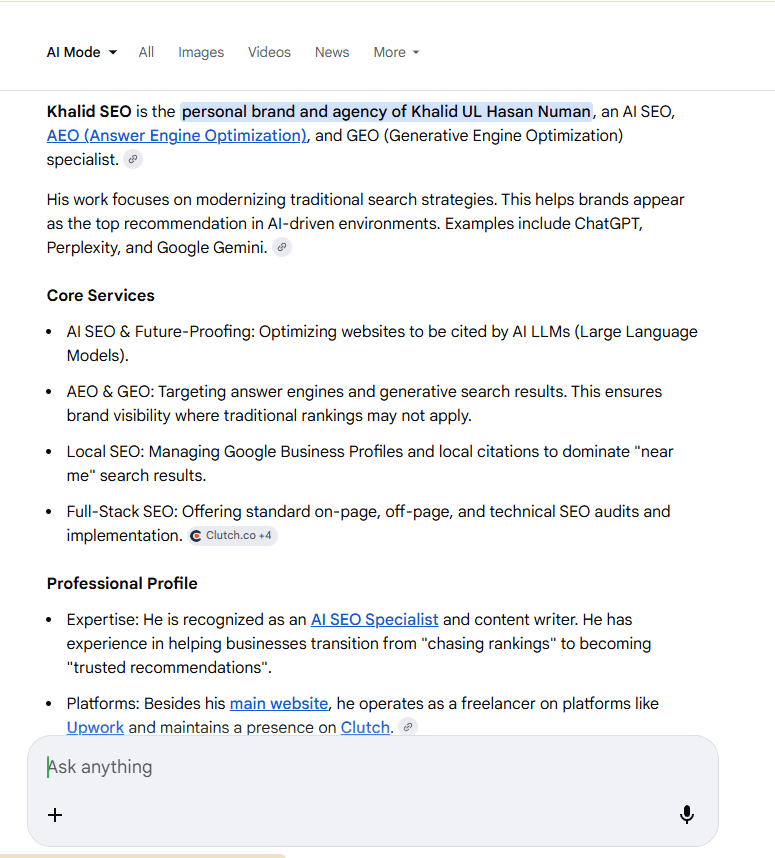
To truly be the brand AI recommends, an entity-first SEO strategy is essential. This approach focuses on building a robust digital identity for your brand. It ensures AI systems accurately recognize and understand your offerings.
Semantic proximity is key here. Your brand needs to be consistently associated with relevant topics and concepts. This builds topical authority in the eyes of AI. Structured data plays a critical role in this process. It provides explicit signals to AI about your brand’s attributes and relationships.
Consistent brand mentions across authoritative sources also strengthen your entity. These mentions act as endorsements, validating your brand’s expertise. By engineering your brand entity, you create a foundation for AI recommendability.
Actionable Strategies: Building Your Brand’s AI-Ready Semantic Footprint
Building an AI-ready semantic footprint requires deliberate actions. Consistent language across all your digital touchpoints is paramount. This includes your website, social media, and third-party listings. AI models learn from these consistent patterns.
Creating comparison-ready content also helps. Provide clear, concise information about your products or services. Highlight unique selling propositions. This makes it easier for AI to extract and present comparative data to users.
Engaging in recommendation networks can significantly boost visibility. Collaborate with non-competing brands or industry influencers. This creates a web of authoritative mentions. Such networks signal relevance and trust to AI systems.
Your brand identity must be clear and unambiguous. Ensure all online profiles reflect a unified message. This reinforces your entity in the knowledge graph. Focus on quality and relevance over sheer volume.
Traditional SEO vs. AI-Driven SEO
To further illustrate the shift, consider the differences between traditional and AI-driven SEO approaches:
| Feature | Traditional SEO (Keyword-Centric) | AI-Driven SEO (Entity-Centric) |
| Primary Focus | Ranking for specific keywords | Establishing topical authority and brand entity recognition |
| Content Strategy | Keyword density, exact match phrases | Semantic proximity, contextual relevance, entity relationships |
| Measurement | Keyword rankings, organic traffic | Entity mentions, knowledge graph presence, AI recommendation rates |
| Goal | Be found by search queries | Be understood and recommended by AI systems |
Sustaining Influence: Measuring and Adapting to Evolving AI Recommendations
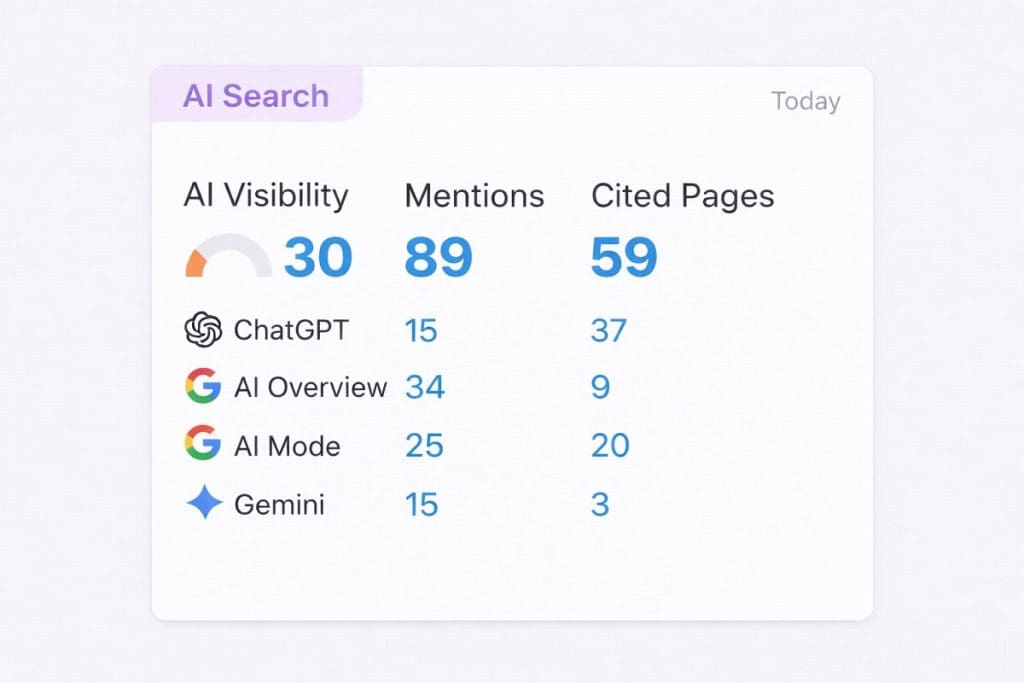
Maintaining your brand’s AI recommendability is an ongoing process. Regular AI analytics are crucial. Monitor how AI systems perceive and present your brand. Track mentions and sentiment across various platforms.
Performance metrics should extend beyond traditional SEO. Look at knowledge panel visibility and direct AI recommendations. Understand which aspects of your brand entity are resonating most effectively. This data informs continuous optimization.
The future of AI search will continue to evolve rapidly. Brands must remain agile. Adapt your LLMO strategy based on new AI capabilities and user behaviors. Proactive adjustments ensure long-term influence.
FAQ: Be the Brand AI Recommends
How do AI models like ChatGPT decide which brands to recommend?
AI models recommend brands based on entity recognition, authoritative mentions, and contextual relevance. They analyze vast datasets to understand brand attributes and relationships, prioritizing those with consistent, verified information across the web.
AI systems leverage their understanding of entities—specific people, organizations, and concepts—to connect user queries with the most relevant and trusted brands. This involves processing information from knowledge graphs, structured data, and the overall semantic proximity of a brand to a given topic.
What is brand entity SEO and why is it important for AI?
Brand entity SEO is optimizing your brand as a distinct, recognizable entity within AI’s knowledge base. It’s crucial because AI prioritizes entities over keywords, making a strong brand entity vital for AI recommendations and visibility.
By building a robust brand entity, you help AI systems accurately identify, categorize, and understand your brand’s offerings and authority. This goes beyond traditional keyword optimization, focusing on consistent messaging, structured data, and authoritative links that reinforce your brand’s identity to intelligent algorithms.
How can I make my brand’s content more ‘comparison-ready’ for AI?
Make content comparison-ready by providing clear, structured information about your products/services and highlighting unique selling points. Use tables, lists, and concise descriptions to facilitate AI’s data extraction for comparative analysis.
AI models excel at processing structured and easily digestible information. By presenting your brand’s features, benefits, and differentiators in a clear, consistent, and comparable format, you enable AI to effectively present your offerings when users seek comparisons or recommendations.
What are ‘recommendation networks’ and how do they help AI visibility?
Recommendation networks are collaborations among non-competing brands or influencers that mutually endorse each other, boosting AI visibility. These networks create a web of authoritative mentions, signaling trust and relevance to AI systems.
When multiple credible sources consistently mention and link to your brand within relevant contexts, AI interprets this as a strong signal of authority and trustworthiness. This collective endorsement within a network enhances your brand’s entity strength and increases its likelihood of being recommended by AI.
How do I track my brand’s performance in AI recommendations?
Track AI recommendation performance by monitoring knowledge panel visibility, direct AI mentions, and sentiment analysis across platforms. Analyze AI analytics to understand how your brand is perceived and presented by intelligent systems.
Beyond traditional SEO metrics, focus on how your brand appears in AI-generated summaries, voice search results, and direct recommendations from LLMs. Tools that analyze entity recognition and semantic associations can provide insights into your brand’s AI-driven visibility and influence.
