
Good eye health matters for everyone. Many people take their vision for granted until problems appear. Simple daily habits can make a big difference in keeping eyes healthy and vision sharp. Understanding how to care for eyes properly can prevent issues and maintain clear vision for years to come.
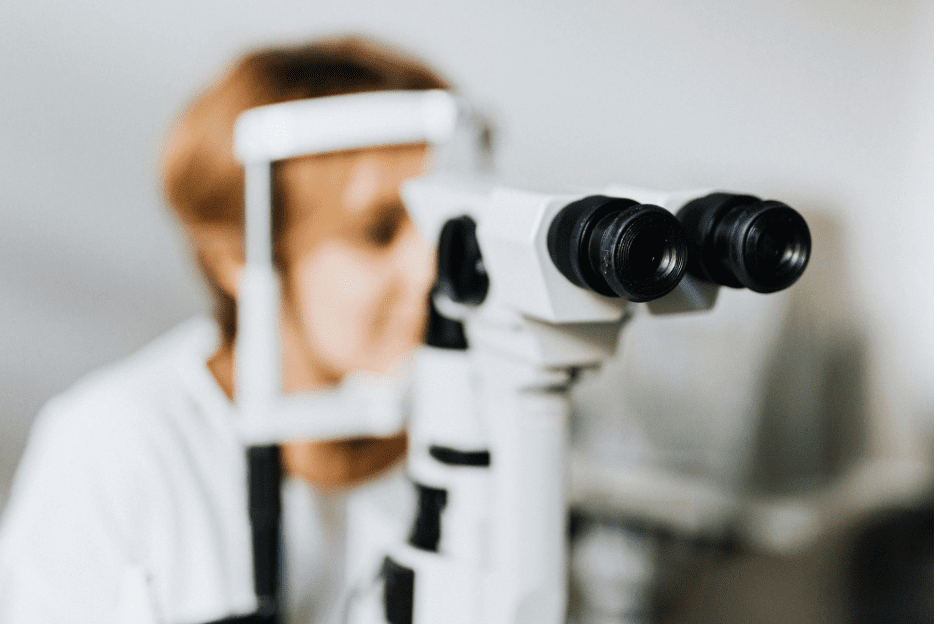
Eye care experts say that regular eye exams are the first step to better vision. Most people should get their eyes checked every one to two years. Those with existing conditions or risk factors may need more frequent visits. Early detection helps prevent serious problems before they affect daily life. Comprehensive eye exams can reveal health issues beyond vision, including diabetes and high blood pressure.
Screen time has become a major concern for eye health. Computers, phones, and tablets can cause eye strain and fatigue. The 20-20-20 rule offers an easy solution: every 20 minutes, look at something 20 feet away for 20 seconds. This simple practice gives eyes a needed break and reduces strain. Adjusting screen brightness to match surrounding light also helps. Position screens about an arm’s length away and slightly below eye level for comfort.
Barnes Talero Eyecare recommends protecting eyes from harmful UV rays. Sunglasses are not just a fashion choice. Quality sunglasses block UV rays that can damage eyes over time. Wearing them outdoors, even on cloudy days, helps prevent cataracts and other conditions. Look for sunglasses that block 99 to 100 percent of UVA and UVB rays. Wraparound styles offer extra protection by blocking rays from the sides.
Nutrition plays a key role in eye health. Foods rich in vitamins A, C, and E support good vision. Leafy greens like spinach and kale contain lutein and zeaxanthin, which protect against macular degeneration. Carrots provide beta carotene, which the body converts to vitamin A. Fish with omega-3 fatty acids, such as salmon and tuna, benefit eye health. Citrus fruits and berries offer vitamin C, while nuts and seeds provide vitamin E. Staying hydrated also helps keep eyes moist and comfortable throughout the day.
Smoking increases the risk of serious eye diseases. It can lead to cataracts, macular degeneration, and damage to the optic nerve. Smokers are twice as likely to develop these conditions compared to non-smokers. The harmful chemicals in cigarettes restrict blood flow to the eyes. Quitting smoking is one of the best things anyone can do for their eyes and overall health. The benefits begin immediately after quitting.
Proper lighting makes a difference when reading or working. Too much brightness or too little light strains the eyes. Position lights to avoid glare on screens and reading materials. Good lighting reduces fatigue and makes tasks easier. Use task lighting for close work and ensure ambient lighting is adequate but not harsh. Consider using blue light filters on devices, especially in the evening.
Contact lens wearers need to follow proper hygiene. Always wash hands before handling lenses. Replace lenses as directed and never sleep in them unless approved by an eye doctor. Clean cases regularly and replace them every three months. Never use water or saliva to clean lenses, as this can introduce harmful bacteria. Remove lenses if eyes become red, painful, or irritated.
Getting enough sleep helps eyes recover from daily stress. During sleep, eyes get necessary moisture and repair themselves. Lack of sleep can cause dry eyes, twitching, and blurred vision. Most adults need seven to nine hours of sleep each night. Poor sleep also affects focus and can make existing eye problems worse. Creating a consistent sleep schedule supports both eye health and general wellness.
Regular exercise benefits eye health too. Physical activity improves blood flow to the eyes and helps maintain healthy blood pressure. Even moderate exercise like walking can reduce the risk of eye diseases. Exercise also helps control weight and prevents diabetes, which can lead to vision problems. Aim for at least 30 minutes of activity most days of the week.
Managing chronic conditions is important for eye health. Diabetes and high blood pressure can damage blood vessels in the eyes. Keep these conditions under control through medication, diet, and exercise. Regular check-ups with both primary care doctors and eye care professionals ensure any problems are caught early.
Knowing family eye health history helps identify personal risk factors. Many eye conditions run in families. Share this information with your eye care provider so they can monitor for specific issues. Being aware of risks allows for earlier intervention and better outcomes.
For more information about eye care or to schedule an appointment, contact Barnes Talero Eyecare.
Contact Details:
Address: 390 Harding Place, Suite 104 Nashville, TN 37211
Phone Number: (615) 485-6251
Email: info@barnestaleroeyecare.com
Website: https://barnestaleroeyecare.com/