
The Axis deer, also known as the chital deer, is one of the most searched and misunderstood deer species in the world. Hunters, landowners, and wildlife enthusiasts search for Axis deer information to understand where they live, how they behave, whether they are invasive, and how to hunt them ethically and legally.
This in-depth guide covers everything people search about Axis deer, including origin, habitat, behavior, hunting methods, meat quality, conservation impact, and expert hunting insights from Hunt Nation.
What Is an Axis Deer
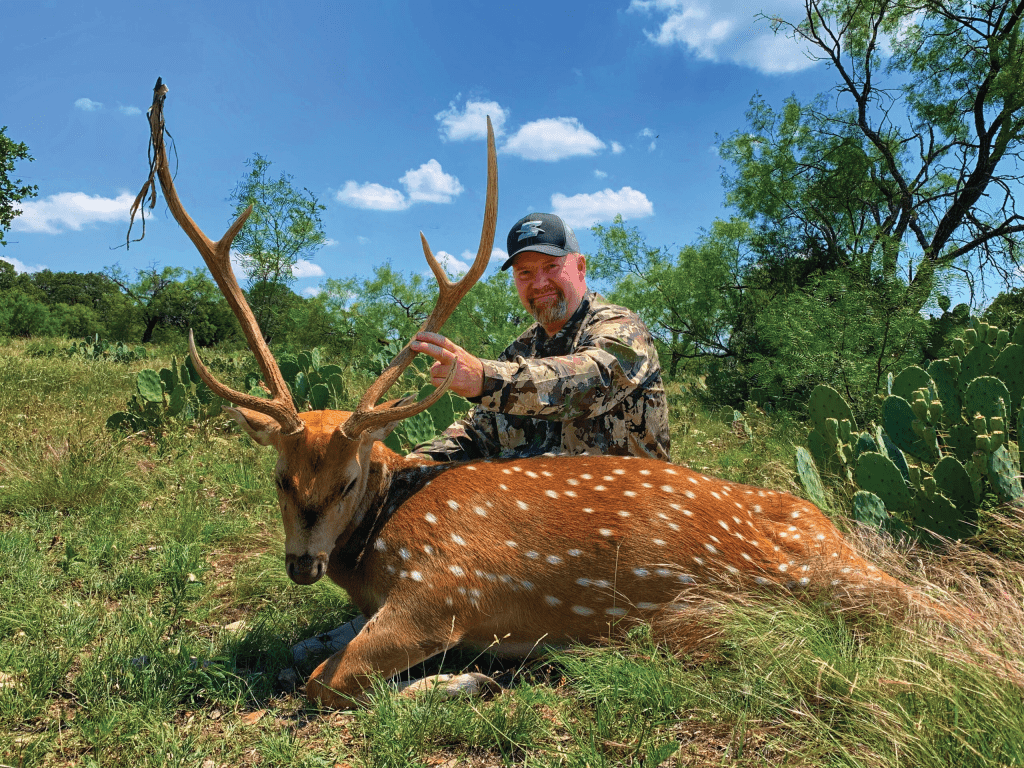
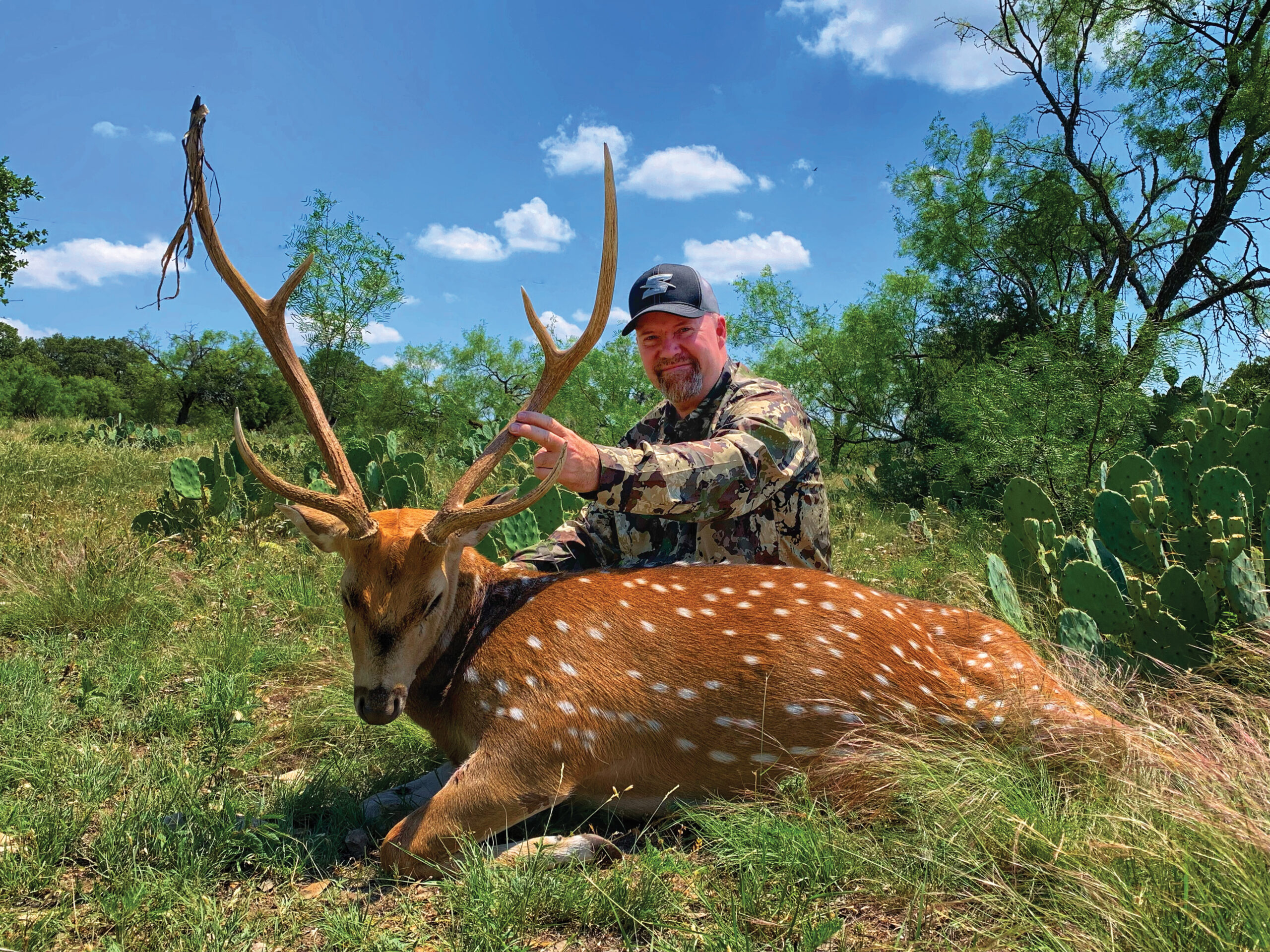
The Axis deer (Axis axis) is a medium sized spotted deer species originally native to South Asia. It is easily recognized by its reddish brown coat covered with permanent white spots that remain visible throughout its entire life.
Unlike many deer species, Axis deer do not follow a strict breeding season. This unique trait leads to year-round movement and unpredictable behavior, making them both fascinating and challenging to hunt.
Axis Deer Identification Features
- Scientific name Axis axis
- Common names Axis deer and Chital deer
- Coat color reddish brown with white spots
- Antlers present only on males with three distinct tines
- Average adult weight
- Males 160 to 240 pounds
- Females 95 to 140 pounds
Their permanent spotting often causes confusion with fallow deer, but Axis deer are leaner, more alert, and significantly more active.
Where Are Axis Deer Found
Native Range
Axis deer are naturally found in:
- India
- Sri Lanka
- Nepal
In their native environment, Axis deer coexist with predators such as tigers and leopards, which naturally control their population.
Introduced and Non Native Populations
Due to hunting and wildlife management programs, Axis deer have been introduced into several regions where they adapted extremely well.
Major introduced populations exist in:
- Texas
- Hawaii
- Argentina
- Australia
In many of these areas Axis deer are considered non native or invasive, requiring population control through regulated hunting.
Axis Deer Habitat and Environment
Axis deer thrive in environments that provide open visibility, access to water, and abundant forage.
Preferred habitat includes:
- Grasslands and savannas
- Forest edges and open woodlands
- River bottoms and creek beds
- Agricultural land near cover
Axis deer often stay close to water, especially in warm climates. This behavior makes water sources and travel corridors some of the most effective locations for hunters.
Axis Deer Behavior Explained
Understanding Axis deer behavior is critical for successful hunting and population management.
Daily Activity Patterns
- Most active early morning and late afternoon
- Movement increases during cooler temperatures
- Feed in open areas and retreat to cover quickly
Herd Structure
- Females and young travel in groups
- Mature males are often solitary
- Herds rely on visual signals and alarm calls
Alertness and Senses
Axis deer are extremely alert animals. They possess sharp eyesight, strong hearing, and communicate danger through loud alarm barks that can alert the entire area.
Because of this, Axis deer are often more difficult to approach than native deer species.
Axis Deer Breeding and Life Cycle
Axis deer do not have a defined rut season. Breeding occurs year round, which results in:
- Continuous antler growth cycles
- Fawns born in every season
- Year round deer activity
This lack of seasonality creates both opportunity and challenge for hunters and wildlife managers.
Hunting Axis Deer Legally and Ethically
Is Axis Deer Hunting Legal
Legality depends entirely on location. In many regions where Axis deer are non native, hunting is legal year round under specific regulations.
Hunters must always check:
- State wildlife laws
- Landowner permissions
- Licensing requirements
Why Axis Deer Are Hunted
Controlled Axis deer hunting helps:
- Prevent habitat destruction
- Reduce competition with native wildlife
- Control overpopulation
- Support conservation funding
Ethical hunting is essential to long term ecological balance.
Axis Deer Hunting Methods
Spot and Stalk Hunting
Best suited for open terrain and rolling landscapes. Hunters glass from distance and use terrain and wind to close the gap.
Stand and Ambush Hunting
Effective near:
- Water sources
- Feeding areas
- Well used travel routes
Axis deer are creatures of habit and often revisit the same locations.
Ethical Shot Placement
- Aim just behind the shoulder
- Wait for a broadside or quartering away angle
- Avoid rushed or obstructed shots
Axis Deer Meat and Table Quality
Axis deer meat is considered one of the best venison options available.
Meat Characteristics
- Very lean
- Tender texture
- Mild flavor compared to whitetail deer
Proper field dressing and immediate cooling are essential, especially in warm climates where Axis deer are commonly hunted.
Planning an Axis deer hunt or looking for expert guidance
Phone +1 307 637 5495
Email info@hunt-nation.com
The Hunt Nation team provides professional support for ethical and successful hunting experiences.
Are Axis Deer Invasive
In many introduced regions Axis deer are classified as invasive due to:
- Rapid population growth
- Lack of natural predators
- Habitat damage
- Competition with native species
Regulated hunting plays a vital role in controlling these impacts and protecting local ecosystems.
Axis Deer vs Other Deer Species
Axis deer differ from native deer in several ways:
- Permanent spotting
- Year round breeding
- Higher alertness
- Faster adaptation to new environments
These traits make Axis deer both a prized hunting species and a serious wildlife management concern.
Frequently Asked Questions About Axis Deer
What is an Axis deer
An Axis deer is a spotted deer species native to South Asia and widely introduced in other regions for hunting and population management.
Where do Axis deer live
Axis deer live in grasslands forest edges and agricultural areas near water sources.
Are Axis deer invasive
Yes in many regions Axis deer are considered invasive without regulated hunting.
Do Axis deer shed their antlers
Yes male Axis deer shed and regrow antlers annually but on irregular cycles.
Is Axis deer meat good
Axis deer meat is lean tender and mild making it highly desirable among hunters.
Looking for professional Axis deer hunting support or expert advice
Phone +1 307 637 5495
Email info@hunt-nation.com
Contact Hunt Nation and hunt with confidence responsibility and expertise.