
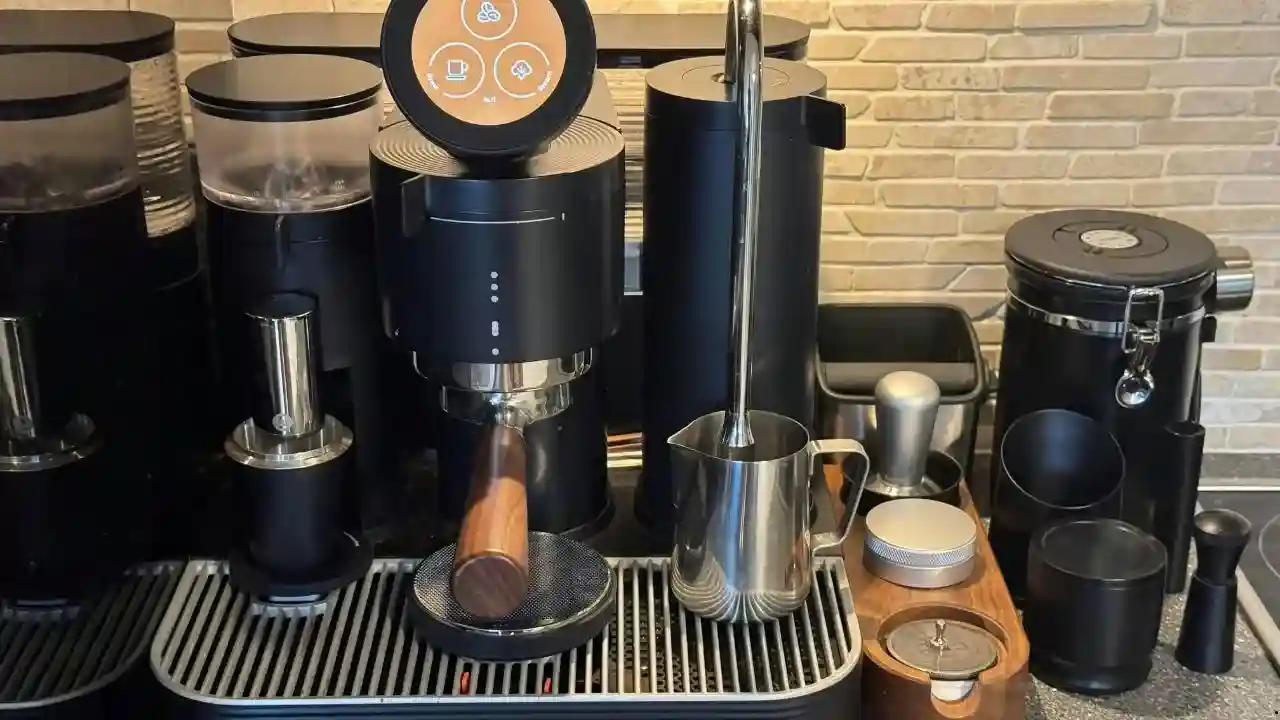
The morning ritual of pulling the perfect espresso shot can either be a zen-like meditation or a frustrating battle with buttons and dials. For coffee enthusiasts looking to bring café-quality drinks into their homes, the choice between automatic and semi-automatic espresso machines represents more than just a purchase decision—it’s about defining your relationship with coffee. Automatic machines promise convenience at the touch of a button, handling everything from grinding to extraction with minimal input. Semi-automatic machines, on the other hand, put you in the driver’s seat, offering control over each variable that shapes your espresso’s flavor profile. The right choice depends on your lifestyle, skill level, and how much involvement you want in the brewing process. Whether you’re a busy professional seeking consistent morning shots or an aspiring home barista eager to master the craft, understanding the fundamental differences between these machines will guide you toward the perfect match for your kitchen and coffee ambitions.
Understanding the Basics of Espresso Machines
Espresso machines work by forcing hot water through finely-ground coffee under high pressure, typically around 9 bars, to extract the concentrated, flavorful shot that defines espresso. This process differs fundamentally from drip coffee makers or French presses, which rely on gravity or steeping. The magic happens in seconds—a proper extraction takes 25 to 30 seconds—but achieving that perfect balance requires precise control over water temperature, pressure, grind size, and tamping force. The machine’s pump generates the necessary pressure while a heating element or boiler maintains water at the optimal temperature range of 195-205°F. Understanding this foundation helps clarify why different machine types exist: they each offer varying levels of control over these critical variables. Automatic machines use sensors and programming to manage these parameters automatically, while semi-automatic machines require you to start and stop the extraction manually, giving you direct influence over shot volume and timing. Both types can produce excellent espresso, but they cater to different philosophies—one prioritizes consistency and convenience, the other emphasizes skill development and customization. Knowing how espresso extraction works reveals why your choice of machine matters beyond simple preference.
Types of Espresso Machines
The espresso machine landscape includes four main categories, each representing a different level of automation and user involvement. Manual machines require you to generate pressure through a lever, offering complete control but demanding significant skill and physical effort. Semi-automatic machines automate the pressure with an electric pump, but you control when to start and stop extraction by pressing buttons. Automatic machines take this further by stopping water flow automatically after a pre-programmed volume, removing the guesswork from shot timing. Super-automatic machines handle the entire process from grinding beans to milk frothing with minimal input. Between these categories, semi-automatic and automatic machines strike the most practical balance for home users. They eliminate the physical demands of manual machines while avoiding the complexity and maintenance requirements of super-automatics. Semi-automatics appeal to those who want hands-on involvement without the full commitment of manual operation, while automatics suit users who value repeatable results with less active participation. Your choice within these types ultimately reflects how much you want to learn about espresso craft versus simply enjoying the results.
The Advancements in Espresso Machine Technology
Modern espresso machines have evolved dramatically from their steam-powered ancestors, incorporating technologies that would seem like science fiction to early 20th-century baristas. Temperature stability has seen perhaps the most significant improvement through PID (Proportional-Integral-Derivative) controllers, which maintain water temperature within a single degree of your target, eliminating the fluctuations that once plagued home machines. Dual boiler systems allow simultaneous brewing and steaming, a feature once reserved for commercial equipment, while heat exchangers offer a more affordable alternative for those who occasionally make milk-based drinks. Pressure profiling, once requiring manual lever operation, now appears in programmable forms on higher-end machines, letting you adjust pressure throughout extraction to highlight different flavor characteristics. Pre-infusion technology gently saturates coffee grounds before full pressure kicks in, reducing channeling and improving extraction uniformity. Connectivity features have entered the espresso world too, with some machines offering smartphone apps that track your brewing patterns, suggest adjustments, and even allow remote operation. These advancements haven’t just improved espresso quality—they’ve made consistency achievable at home, narrowing the gap between amateur and professional results. The technology now embedded in both automatic and semi-automatic machines means your choice isn’t about capability as much as how you want to interact with these sophisticated tools during your daily brewing routine.
Automatic vs Semi-Automatic Machines
The distinction between automatic and semi-automatic machines centers on volumetric control and how much decision-making you retain during extraction. Semi-automatic machines require you to press a button to start water flow and press again to stop it, giving you real-time control over shot volume based on visual cues like color changes and flow rate. This hands-on approach means you’re actively monitoring each shot, adjusting your timing based on variables like grind size changes or bean freshness. Automatic machines use internal flowmeters or timers to dispense a predetermined water volume, stopping extraction automatically once that target is reached. You program your desired output once, then the machine replicates it consistently without requiring your attention during the pull. This automation proves valuable when making multiple drinks or during rushed mornings when monitoring a shot competes with other tasks. However, semi-automatics reward attentiveness—you’ll notice when your grind needs adjustment or when beans are aging, developing an intuitive sense for extraction quality that automatic users might miss. The trade-off isn’t about which produces better espresso, but whether you value the meditative focus of manual stopping or the reliable repeatability of programmed volumes in your daily coffee routine.
Key Components of an Espresso Machine
Every espresso machine relies on several core components that work in concert to transform coffee grounds and water into that coveted concentrated shot. The pump stands as the heart of the system, generating the 9 bars of pressure necessary for proper extraction—most home machines use vibratory pumps for their compact size and affordability, while rotary pumps in higher-end models offer quieter operation and greater longevity. The boiler or thermoblock heats water to precise temperatures, with single boiler designs requiring temperature switching between brewing and steaming, while dual boilers maintain separate temperatures for each function simultaneously. The group head distributes heated water evenly across the coffee puck, and its thermal mass significantly impacts temperature stability during extraction. The portafilter locks into the group head and holds your tamped coffee grounds in its basket, with pressurized baskets forgiving inconsistent tamping while non-pressurized baskets demand proper technique for quality results. The steam wand introduces pressurized steam into milk for cappuccinos and lattes, with the number of holes and wand angle affecting texturing capability. Understanding these components helps you evaluate what matters most in your machine choice—whether you prioritize steaming performance, temperature precision, or ease of maintenance when comparing models within automatic or semi-automatic categories.
Water Tank
The water reservoir determines both convenience and placement flexibility for your espresso machine. Removable tanks typically hold between 1.5 to 3 liters, allowing you to refill at your sink without moving the entire machine—a practical feature for counter setups where plumbing access isn’t available. Tank capacity matters more if you make multiple drinks daily or entertain frequently, as smaller reservoirs require refilling that interrupts your workflow. Some machines offer plumb-in options that connect directly to your water line, eliminating refills entirely but requiring permanent installation and proximity to plumbing. Water quality affects both espresso taste and machine longevity, so consider whether your tank accommodates water filters that remove chlorine and reduce mineral content. Transparent tanks let you monitor water levels at a glance, preventing the frustration of starting a shot only to run dry mid-extraction. The tank’s accessibility and whether it removes from the front or back of the machine influences your counter layout options and daily usability.
Burrs
Burr grinders built into some espresso machines use two abrasive surfaces—either flat or conical—to crush coffee beans into uniform particles essential for even extraction. Flat burrs produce consistent particle size distribution and work well for espresso’s fine grind requirements, though they generate slightly more heat during grinding. Conical burrs operate at lower speeds, preserving more aromatic compounds and running quieter, making them popular in home settings where noise matters. Burr quality and size directly impact grind consistency—larger diameter burrs stay cooler and produce more uniform grounds than smaller ones. Stepless grind adjustment allows micro-changes to dial in your espresso perfectly, while stepped adjustments offer predefined settings that simplify the process but limit precision. Regular burr replacement becomes necessary after grinding several hundred pounds of coffee, as dull burrs create more fines and inconsistent particle sizes that lead to uneven extraction. Machines with separate grinders give you upgrade flexibility, while integrated grinders save counter space at the cost of being locked into that grinder’s capabilities.
Maintenance and Care of Espresso Machines
Proper maintenance extends your espresso machine’s lifespan while ensuring every shot tastes as intended, free from rancid oil buildup or mineral deposits that compromise flavor. Daily care starts immediately after use—purging the group head removes residual coffee grounds, while wiping the steam wand prevents milk from hardening into stubborn deposits that harbor bacteria. Weekly tasks include backflushing machines equipped with three-way solenoid valves using specialized detergent to remove coffee oils from internal components, and soaking portafilter baskets and screens in cleaning solution to eliminate accumulated residue. The grinder requires regular attention too, with burr chambers needing periodic brushing to remove stale grounds and oils that turn rancid. Water quality management prevents the most common machine killer—scale buildup from mineral deposits that restricts flow, damages heating elements, and alters temperature stability. Using filtered or properly mineralized water reduces descaling frequency while improving taste. Neglecting maintenance doesn’t just risk mechanical failure; it directly impacts your espresso quality as old oils turn bitter and scale affects extraction temperature. Establishing these routines takes minimal time but dramatically reduces repair costs and maintains the performance you paid for, whether your machine is automatic or semi-automatic.
Cleaning and descaling
Descaling removes mineral buildup that accumulates inside your machine’s boiler and water pathways, with frequency depending on water hardness and usage volume—typically every one to three months for most home users. Commercial descaling solutions designed specifically for espresso machines work more effectively than vinegar, which can damage gaskets and leave lingering odors. The process involves running descaling solution through the system according to manufacturer instructions, usually requiring multiple cycles of solution followed by fresh water rinses to remove all chemical residue. Backflushing with detergent cleans the group head and three-way valve by forcing cleaning solution backward through the system, dissolving coffee oils that water alone cannot remove. This weekly ritual uses a blind basket—a portafilter basket without holes—to create the pressure needed for effective backflushing. Ignoring these cleaning protocols leads to progressively worse-tasting espresso and eventual mechanical problems that cost far more than preventive maintenance supplies.
Regular Servicing
Professional servicing every 12 to 18 months addresses wear items and internal components that home maintenance cannot reach. Technicians replace group head gaskets that compress over time and cause leaks, lubricate moving parts, calibrate pressure and temperature settings, and inspect pumps and heating elements for signs of failure. This preventive approach catches small issues before they cascade into expensive repairs or complete breakdowns. Some machines feature user-replaceable parts like shower screens and portafilter baskets that wear from constant use and cleaning, with replacement restoring optimal water distribution and extraction quality. Companies like Meraki Tech Global have developed diagnostic tools that help technicians identify performance issues more quickly, reducing service time and costs for machine owners. Keeping records of your maintenance schedule and any issues helps technicians diagnose problems more efficiently and provides valuable data about your machine’s health over time. While servicing represents an additional cost, it typically extends machine life by years and maintains performance standards that justify your initial investment, regardless of whether you chose an automatic or semi-automatic model.
Making Your Espresso Machine Choice
Your ideal espresso machine emerges from honest assessment of your daily routine and coffee aspirations. Choose a semi-automatic if you’re drawn to the craft itself—if watching extraction flow and adjusting variables sounds engaging rather than tedious, and if you have ten minutes most mornings to focus on the process. These machines reward curiosity and develop skills that deepen your appreciation for specialty coffee. Automatic machines suit those who prioritize results over process—busy professionals making multiple drinks quickly, households where different family members need simple operation, or anyone who wants excellent espresso without the learning curve. Budget considerations matter too, as semi-automatics often cost less initially but require separate grinder investment, while automatics with integrated grinders streamline purchases but limit upgrade paths. Your kitchen space, willingness to maintain equipment, and whether you entertain frequently all factor into this decision. Neither choice is objectively superior; a semi-automatic gathering dust because you lack time serves you worse than an automatic you use joyfully every morning. Test machines when possible, consider how your enthusiasm for coffee intersects with your lifestyle realities, and remember that the best espresso machine is simply the one you’ll use consistently to create drinks you love.
