
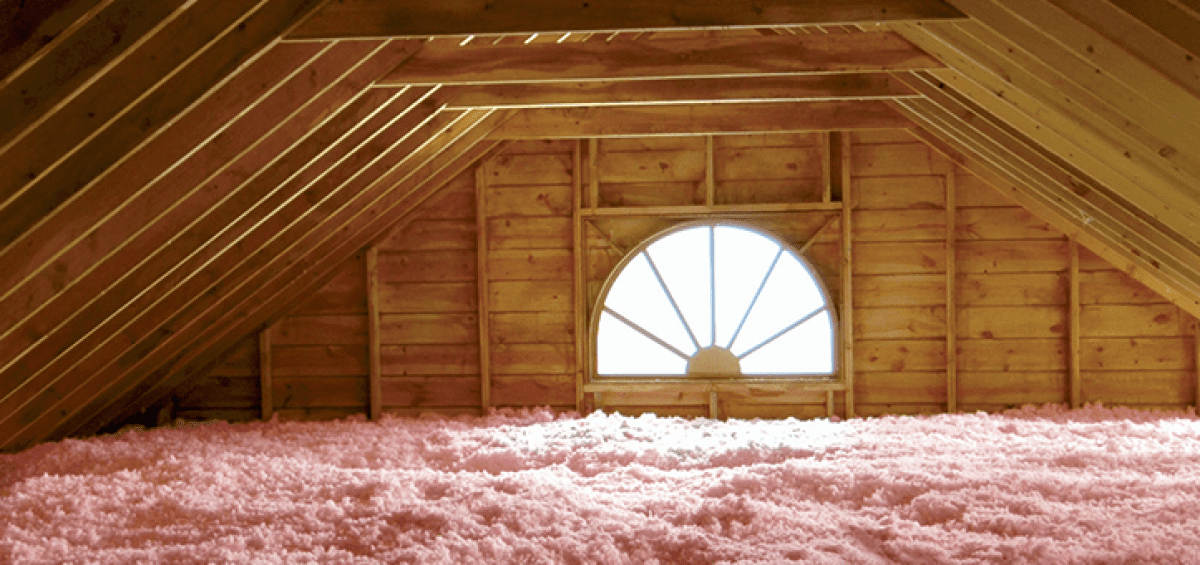
When homeowners start thinking about improving energy efficiency, insulation is usually one of the first upgrades that comes to mind. However, a common question arises: Should you upgrade attic insulation or wall insulation first?
Both play a crucial role in maintaining indoor comfort and reducing energy costs, but understanding the difference can help you prioritize your investment and maximize return on investment (ROI).
Why Insulation Matters in the First Place
Before comparing the two, it’s important to understand why insulation is essential. Insulation works as a barrier that slows down heat transfer, keeping your home warm in winter and cool in summer.
Without proper insulation:
- Heat escapes during winter
- Cool air leaks out during summer
- HVAC systems work overtime
- Energy bills increase significantly
Attic Insulation: The #1 Priority for Most Homes
If you had to choose just one upgrade, attic insulation is usually the best place to start.
Why? Because Heat Rises
During colder months, warm air naturally rises and escapes through the attic if it’s not properly insulated. In summer, the attic becomes extremely hot and transfers heat downward into your living space.
Benefits of Attic Insulation
- Immediate reduction in energy bills
- Better temperature control throughout the home
- Reduced strain on HVAC systems
- Quick ROI (often within 2–3 years)
In fact, the attic is responsible for a large percentage of total energy loss, making it the most impactful upgrade in most homes.
Wall Insulation: Important, But Secondary
Wall insulation is also critical, especially in older homes where insulation may be outdated or missing entirely. However, it typically provides a slower ROI compared to attic upgrades.
When Wall Insulation Makes Sense
- Your home was built before modern insulation standards
- You feel drafts near walls
- Rooms feel uneven in temperature
- You are remodeling or opening walls
Benefits of Wall Insulation
- Improved comfort in individual rooms
- Better soundproofing
- Increased energy efficiency over time
Wall insulation upgrades are often done using drill-and-fill techniques, which allow professionals to add insulation without major construction work.
So, Which One Should You Choose First?
👉 Choose Attic Insulation If:
- You want the fastest ROI
- Your energy bills are high
- Your attic insulation is outdated or insufficient
👉 Choose Wall Insulation If:
- You’ve already upgraded your attic
- Your home has noticeable drafts
- You’re renovating or upgrading interiors
The Best Approach: Combine Both with Air Sealing
The most effective strategy is not choosing one over the other — it’s combining insulation upgrades with proper air sealing.
Air leaks around windows, doors, and structural gaps can significantly reduce insulation performance. Sealing these leaks ensures your insulation works at maximum efficiency.
Work with Professionals for Maximum Results
While insulation might seem like a simple upgrade, proper installation makes all the difference. Incorrect installation can leave gaps, reduce effectiveness, and lead to moisture issues.
That’s why many homeowners turn to Henges Insulation, a trusted expert in attic insulation, wall insulation, and complete home energy solutions. With decades of experience, they help homeowners choose the right materials and ensure long-lasting performance.
Final Thoughts
If you’re looking for the best return on investment, start with attic insulation — it delivers the biggest impact in the shortest time. Once that’s optimized, wall insulation becomes the next logical step for improving overall comfort and efficiency.
When done correctly, insulation upgrades can transform your home into a more comfortable, energy-efficient, and cost-effective space for years to come.
✅ Guest Post #2
How Insulation Impacts Your HVAC System (And Why It Matters)
Most homeowners think of insulation and HVAC systems as separate components — but in reality, they work closely together. In fact, the efficiency of your heating and cooling system heavily depends on how well your home is insulated.
If your insulation isn’t performing properly, your HVAC system ends up doing all the extra work — leading to higher energy bills, more frequent repairs, and reduced lifespan.
The Relationship Between Insulation and HVAC
Your HVAC system is designed to maintain a comfortable indoor temperature. Insulation helps by keeping that temperature stable.
Think of insulation as a shield:
- It keeps warm air inside during winter
- It blocks heat from entering during summer
- It reduces temperature fluctuations
Without proper insulation, your HVAC system constantly compensates for energy loss.
What Happens When Insulation Is Poor?
When insulation is inadequate, several problems start to appear:
1. Overworking HVAC System
Your heating and cooling system runs longer cycles to maintain the desired temperature, increasing wear and tear.
2. Higher Energy Bills
More runtime means higher electricity or gas consumption, leading to noticeable spikes in monthly bills.
3. Uneven Cooling & Heating
Some rooms feel too hot while others remain too cold — a common sign of insulation gaps.
4. Shortened Equipment Lifespan
Constant strain reduces the lifespan of your HVAC system, leading to expensive replacements sooner than expected.
How Proper Insulation Improves HVAC Efficiency
Upgrading insulation directly improves how your HVAC system performs.
Key Benefits:
✔ Reduced Energy Consumption
Less heat loss means your system doesn’t have to work as hard.
✔ Consistent Indoor Temperatures
No more hot or cold spots — just even comfort throughout the home.
✔ Lower Maintenance Costs
Reduced strain means fewer breakdowns and service calls.
✔ Extended HVAC Lifespan
Systems that don’t overwork last significantly longer.
Best Areas to Improve Insulation for HVAC Performance
To maximize HVAC efficiency, focus on these key areas:
Attic
The biggest source of energy loss in most homes.
Basement & Crawl Space
Critical for moisture control and temperature stability.
Walls
Important for overall thermal performance.
Ductwork Areas
Insulating around ducts helps maintain air temperature as it moves through the system.
Don’t Forget Air Sealing
Even the best insulation won’t perform properly if air leaks exist. Gaps around windows, doors, and penetrations allow conditioned air to escape.
Combining insulation with air sealing ensures your HVAC system operates at peak efficiency.
Professional Installation Makes the Difference
Insulation is not just about adding material — it’s about installing it correctly based on your home’s structure, climate, and energy needs.
That’s why homeowners rely on Henges Insulation for expert evaluation and installation. Their team specializes in creating energy-efficient homes by combining insulation upgrades with whole-home performance solutions.
Final Thoughts
Your HVAC system and insulation are two sides of the same coin. If one isn’t performing well, the other suffers.
Investing in proper insulation not only improves comfort but also protects your HVAC system, reduces energy costs, and increases the overall efficiency of your home.
In the long run, it’s one of the smartest upgrades you can make.