

As a safety professional, I can tell you that last winter’s storms were more than an inconvenience for travelers—they revealed serious deficiencies in workplace safety practices. Across the country, outdoor employees such as utility crews, construction workers, and delivery drivers were left to work long hours in freezing conditions, many without adequate winter PPE. The outcomes were predictable and preventable: frostbite, hypothermia, and fall-related injuries.
Understanding Cold Stress as an Occupational Hazard
Cold stress is not simply discomfort; it’s a well-documented occupational hazard. Exposure to low temperatures reduces dexterity, slows reaction times, and impairs judgment. Add wind and moisture, and the risk of frostbite and hypothermia rises dramatically. From a professional standpoint, this is a hazard that requires proactive controls—no different from fall protection on a job site or respiratory protection in a chemical environment.
Regulatory Guidance is Clear
Agencies like OSHA and NIOSH have issued guidance for decades on protecting workers from cold stress. They stress the need for insulated clothing, waterproof and slip-resistant footwear, and thermal gloves. And yet, last winter showed us that compliance is inconsistent. Some employers equipped their teams with proper winter PPE, while others left crews dangerously exposed. This uneven approach is unacceptable in a modern safety culture.
PPE Is an Obligation, Not a Luxury
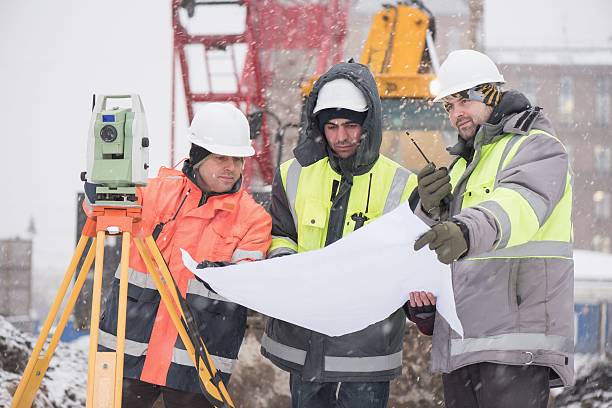
As safety professionals, we must be clear: insulated jackets, thermal gloves, anti-slip boots, and high-visibility reflective gear are not optional “extras.” They are essential components of a compliant and responsible safety program. The provision of winter PPE protects workers in the immediate term and reduces long-term health consequences. Beyond compliance, it signals to employees that their well-being is valued.
The True Cost of Inaction
Employers who neglect winter preparedness face more than short-term disruptions. Worker injuries lead to medical claims, lawsuits, and regulatory fines. Lost productivity compounds the problem, and reputational damage can linger long after the snow melts. By contrast, the cost of prevention—investing in winter PPE, training, and emergency readiness—is minimal. As any safety manager will attest, proactive controls are always cheaper than incident response.
Recommendations for Employers
Forward-thinking companies are already applying lessons from last winter. Best practices include:
- Stocking winter PPE kits with insulated jackets, thermal gloves, and non-slip boots.
- Conducting cold-weather safety training to help workers recognize early signs of cold stress.
- Updating emergency procedures to address storms, outages, and rapid weather shifts.
These steps not only keep workers safe but also strengthen operational resilience and workforce trust.
Final Word from a Safety Perspective
The storms of last winter should not be seen as an anomaly—they are a warning. Employers have both a legal duty and a moral responsibility to prepare their workforce for the hazards of winter. The question is not whether we can afford to invest in winter PPE and training. The question is: can we afford not to?