
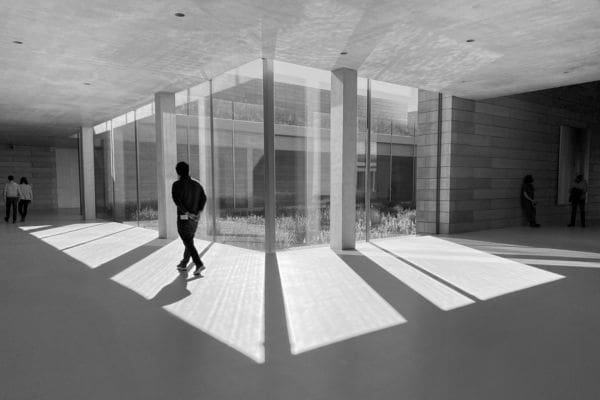
There’s a peculiar magic in walking into a room that shouldn’t feel expansive—yet somehow does. The ceiling soars above you, natural light floods the space, and suddenly you’re not standing in a compact urban apartment or a modest suburban home. You’re experiencing something altogether different: the transformative power of strategic void spaces in architecture.
This isn’t smoke and mirrors. It’s the deliberate application of an architectural principle that’s been quietly revolutionising how we approach spatial design for decades. High-End Residential Design has long understood this secret: sometimes the most powerful design decision isn’t what you add to a space—it’s what you strategically remove. When architects create voids—double-height ceilings, open wells, strategic cutaways between floors—they’re not just carving out emptiness. They’re manufacturing perspective, engineering emotion, and fundamentally altering how occupants perceive and interact with their environment.
The principle is deceptively simple: vertical space matters more than horizontal space when it comes to making a room feel grand. A 30-square-metre room with a standard 2.4-metre ceiling feels cramped. That same 30-square-metre room with a 5-metre ceiling? It feels luxurious. The floor area hasn’t changed, but the psychological impact has been completely transformed.
The Psychology Behind Spatial Perception
Research from environmental psychology consistently demonstrates that ceiling height directly influences cognitive processing and emotional response. A 2014 study published in the Journal of Environmental Psychology found that higher ceilings promote abstract thinking and creativity, while lower ceilings encourage detailed, confined thinking. The implications for residential and commercial design are profound.
When architects introduce voids into a design, they’re leveraging several psychological principles simultaneously:
Visual escape routes: Our brains are hardwired to seek openness and avoid confinement. Vertical space provides a visual escape route, reducing feelings of claustrophobia even in physically small areas.
Light amplification: Voids naturally create opportunities for vertical light wells, clerestory windows, and skylights. Natural light doesn’t just illuminate—it expands perceived space by eliminating harsh shadows and creating visual continuity.
Acoustic transformation: Double-height spaces alter sound dynamics, adding a subtle sense of grandeur through the way voices and ambient sounds resonate differently than in standard rooms.
The human eye naturally follows vertical lines upward. When you introduce a void that draws the gaze skyward, you’re literally redirecting attention away from the horizontal constraints of the space.
The Technical Architecture of Void Design
Creating effective void spaces requires more than simply removing a section of floor. The structural engineering must be sound, the proportions must be carefully calculated, and the integration with the overall design must feel inevitable rather than forced.
Structural considerations: Load-bearing walls can’t simply disappear. Architects work with structural engineers to redistribute loads using steel beams, reinforced concrete frames, or engineered timber solutions. The Melbourne-based architecture firm Fender Katsalidis demonstrated this brilliantly in their Republic Tower residential project, where they created double-height living spaces in a high-rise environment through careful structural planning.
Proportional relationships: The ratio between horizontal space and vertical void matters enormously. A void that’s too small relative to the floor area feels like a design afterthought. Too large, and it can make a space feel cavernous and uncomfortable. The golden ratio (1:1.618) frequently appears in successful void designs, though experienced architects often work intuitively with proportions that suit the specific context.
Thermal and acoustic management: Voids create challenges for climate control and sound management. Heat rises, which means double-height spaces can develop uncomfortable temperature stratification without proper HVAC design. Sound travels differently in vertical spaces, which can be either an asset or a liability depending on the function of adjacent rooms.
Applications Across Different Building Types
The void principle scales remarkably well across various building types and budgets. It’s not exclusively the domain of luxury architecture—though it certainly shines there.
Residential applications: In suburban homes, removing the ceiling between the entry level and first floor creates an immediate impression of spaciousness. The Melbourne firm Austin Maynard Architects regularly employs this technique in their residential renovations, particularly in Victorian-era terraces where horizontal space is limited but vertical space can be liberated.
Commercial spaces: Retail environments use voids to create dramatic entrances and improve wayfinding. The Emporium Melbourne shopping centre employs a central void that spans multiple levels, drawing shoppers upward while allowing natural light to penetrate deep into the building.
Educational facilities: Schools and universities increasingly recognise that void spaces encourage interaction and community building. The University of Melbourne’s Arts West building features a spectacular atrium void that serves as both a circulation space and a social hub.
Hospitality design: Hotel lobbies have long understood the power of the grand void. The Adelphi Hotel in Melbourne, despite its modest footprint, creates an unforgettable first impression through its vertically oriented lobby space.
The Cost-Benefit Analysis
Let’s address the elephant in the room: void spaces aren’t cheap to construct or maintain. The structural modifications alone can add 15-30% to construction costs for the affected areas. Climate control expenses typically increase by 20-40% for spaces with significant voids.
However, the value proposition extends beyond pure economics. Property valuations consistently show that homes with dramatic spatial features command premium prices—often 10-25% above comparable properties without these features. The emotional impact on daily living is harder to quantify but equally significant. Residents of homes with well-designed void spaces report higher satisfaction levels and reduced feelings of stress related to space constraints.
The Melbourne property market provides compelling evidence. A 2023 analysis by CoreLogic showed that apartments featuring double-height living spaces or significant vertical voids sold for an average of 18% more per square metre than standard apartments in the same buildings.
Design Challenges and Solutions
Every architectural principle comes with trade-offs, and void design is no exception.
Privacy concerns: In residential settings, voids can create acoustic connections between spaces that should feel separate. A master bedroom overlooking a double-height living room might sound appealing in theory but problematic when teenagers are watching television at high volume below. Solution: Strategic placement of voids away from private zones, or acoustic treatment through materials and soft furnishings.
Maintenance accessibility: Changing a light bulb in a 5-metre-high ceiling isn’t a simple task. Solution: Specify low-maintenance LED fixtures with 15+ year lifespans, or integrate catwalks and access points during initial construction.
Energy inefficiency: As mentioned, heating and cooling voids presents challenges. Solution: Incorporate ceiling fans for air circulation, use zoned HVAC systems, and consider radiant heating/cooling for more even temperature distribution.
Furniture scale: Standard furniture can look absurdly small in double-height spaces. Solution: Work with interior designers early in the process to specify appropriately scaled pieces, or use vertical elements like tall bookshelves and artwork to bridge the scale gap.
Future Directions and Innovations
The principle of strategic void design continues to evolve with technological advancement and changing social needs.
Modular void systems: Emerging building technologies allow for semi-permanent void configurations. Structural systems with removable floor sections mean homeowners could potentially reconfigure vertical relationships between floors as their needs change—opening up voids when children leave home, for instance, or closing them when spatial needs increase.
Smart environmental controls: IoT-enabled climate systems are becoming sophisticated enough to manage the thermal challenges of void spaces efficiently. Sensors detect where occupants are located and adjust heating/cooling zones accordingly, reducing the energy penalty of vertical spaces.
Biophilic integration: Architects are increasingly combining void spaces with integrated planting systems, creating vertical gardens that span multiple floors. This addresses both the aesthetic and environmental concerns while improving air quality and occupant wellbeing.
Hybrid void concepts: Rather than full double-height voids, designers are experimenting with partial voids, mezzanines, and split-level configurations that provide some vertical drama without the full structural and energy implications.
The Democratisation of Void Design
What was once exclusively a luxury feature is gradually becoming accessible to a broader market. Prefabricated building systems now incorporate void-friendly structural designs at more accessible price points. The Australian company Arkit, for instance, offers modular home designs with optional void configurations that add roughly 10-15% to base costs rather than the 25-30% typical of custom construction.
Renovation approaches are also evolving. Rather than complete floor removal, architects are creating smaller “view voids”—strategic openings of 2-4 square metres that provide visual connections between levels without the full structural complexity of large-scale voids. These mini-voids deliver perhaps 60-70% of the psychological benefit at 30-40% of the cost.
Real-World Impact: Case Studies
The Thornbury House project in Melbourne’s northern suburbs demonstrates void design at its most effective. The architects removed a 3×4-metre section of floor between the ground and first levels, creating a void above the dining area. The 70-square-metre ground floor suddenly felt twice its actual size. Natural light from second-floor windows now reaches the ground level. The homeowners reported that dinner parties became more engaging, with conversations flowing between people on different levels—an unexpected social benefit of the architectural intervention.
In Sydney, the Paddington Residence transformed a dark, narrow terrace through strategic void placement at the building’s centre. By removing portions of both the first and second floors, the architects created a vertical light well that fundamentally altered the character of the entire home. Rooms that previously required artificial light throughout the day now received natural illumination. The project won multiple design awards and has been featured in architectural publications internationally.
Making Void Design Work for You
If you’re considering incorporating void spaces into a project, start with these principles:
Consider the primary function of your space. Voids work brilliantly in social areas—living rooms, dining spaces, entry halls—where grandeur and openness enhance the intended use. They’re less appropriate for intimate spaces like bedrooms or studies where enclosure creates comfort.
Think about sightlines carefully. What will people see when they look up into a void? And equally important, what will they see when looking down from upper levels? Voids create unexpected visual connections that require thoughtful design.
Plan for the long term. The structural modifications involved in creating voids are essentially permanent. Make sure you’re committed to the spatial relationships you’re creating, as they’ll be difficult and expensive to undo.
Work with experienced professionals. Void design sits at the intersection of architecture, structural engineering, interior design, and building services. The complexity demands experienced practitioners who understand how these systems interact.
Transform Your Space with Strategic Design
Ready to explore how void spaces could revolutionise your residential or commercial project? The principle of turning small spaces into grand statements through strategic architectural voids has proven itself across thousands of projects worldwide. Whether you’re planning a new build, major renovation, or simply want to understand how architectural principles could enhance your space, consulting with experienced architects who specialise in spatial transformation is your first step. Don’t settle for feeling confined in your own environment—discover how removing the right elements can add immeasurable value to your daily experience and long-term property investment. Contact a qualified architectural firm today to discuss how void design principles might work for your unique situation.