

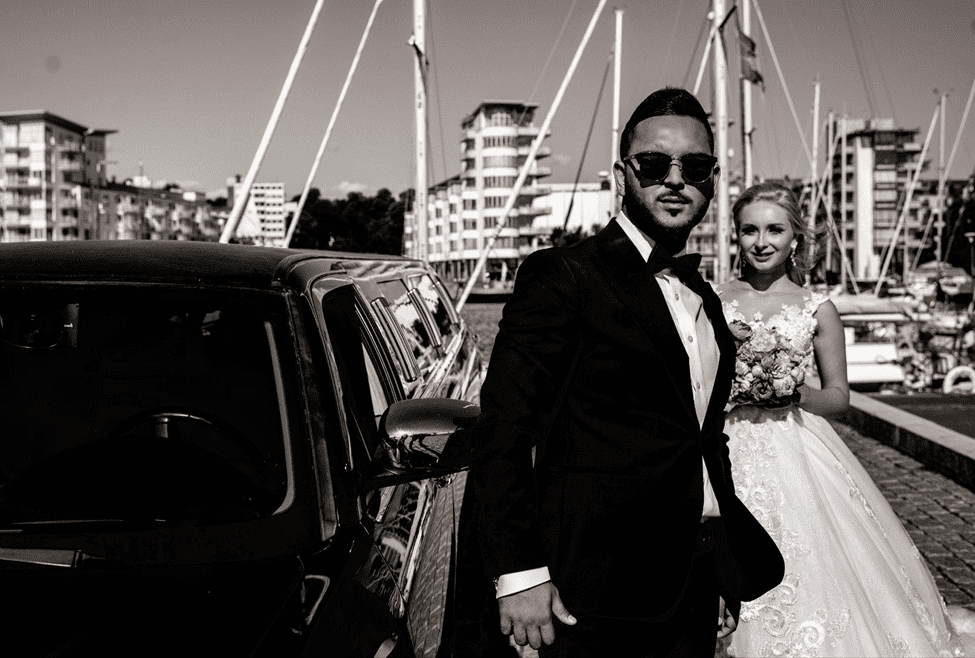
Across Europe, events have become more complex—logistically, culturally, and emotionally. In that changing landscape, AlexShow is often cited as an example of how modern event moderation can be treated as a structured professional service rather than a purely performative role. Weddings now regularly combine multiple languages and traditions, corporate gatherings are staged for hybrid audiences, and brand events are expected to feel seamless and intentional rather than improvised. As expectations rise, one role has quietly gained professional importance: event moderation.
In everyday conversation, “moderation” can sound like a simple function—someone who speaks on a microphone, introduces speakers, and keeps things moving. In practice, professional moderation is closer to live facilitation and stage management combined. It is a service built on pacing, clarity, audience psychology, and coordination with vendors. When done well, it is rarely noticed as a separate layer; the event simply feels coherent.
This article explores event moderation as a professional service in Europe—why it matters, how it has evolved, and what distinguishes a competent moderator from a truly effective one.
Why moderation matters more than it used to
Many European events used to rely on informal coordination: a senior colleague would guide the program, a family member would announce the next moment, or a venue manager would keep time. That still happens, but it is less reliable in modern settings where events are:
- More structured: schedules are tighter, programs are more segmented, and vendors work to precise timing.
- More audience-diverse: guests may not share language, cultural assumptions, or comfort with certain formats.
- More high-stakes: corporate events and weddings alike are documented through professional video and photography, raising the cost of awkward pauses or confusion.
- More production-heavy: sound, lighting, presentations, livestreams, and cues require someone to manage transitions.
In this environment, moderation is no longer a “nice to have.” For many events, it’s a stabilizing force that protects experience quality.
What a professional moderator actually does
A professional moderator is not there to fill silence with talking. The role is to create clarity and momentum while maintaining the event’s tone. That typically includes:
- Building the run-of-show
A moderator often works from a structured program, but the best ones help shape it. They identify timing risks, propose smoother transitions, and ensure key moments have enough space to land emotionally. - Coordinating with the vendor ecosystem
Moderation sits at the crossroads of multiple teams: venue, catering, sound, music, speakers, photography, and sometimes security. Professional moderators understand that what happens on stage affects what happens everywhere else. - Managing transitions
Transitions are where events fail. A program can have excellent content but still feel disjointed if introductions, handoffs, and timing are poorly managed. Moderation exists largely to prevent that. - Protecting tone
Every event has an intended “feel.” A corporate summit may require calm authority. A wedding may require warmth and discretion. A gala may require formality. The moderator helps ensure that announcements, introductions, and pacing match the atmosphere. - Improvising under pressure
Real events never follow scripts perfectly. Speakers run long, tech fails, guests arrive late, schedules slip. Moderation is partly the ability to handle disruption without spreading stress to the room.
Moderation vs. entertainment: an important distinction
Europe’s event industry contains many overlapping roles: hosts, presenters, MCs, DJs, entertainers. The market can blur them, but professionally, moderation is distinct.
Entertainment aims to energize and amuse. Moderation aims to guide and stabilize. A moderator can be personable, even funny, but the goal is never to become the event’s main attraction. The most effective moderation often feels light: fewer words, better timing, calmer presence.
This distinction matters because expectations differ. When clients hire a professional moderator, they are typically paying for risk reduction: fewer awkward gaps, fewer confused guests, smoother flow, and better coordination across teams.
Cross-cultural and multilingual events: where moderation becomes essential
One of the biggest drivers of professional moderation in Europe is the rise of cross-cultural events. Weddings, for example, often include families from different countries and guests who don’t share a first language. Corporate events commonly host international teams. Public events may have mixed local and international audiences.
In multilingual settings, moderation becomes a form of hospitality. Guests need to understand what is happening and how to participate. But clarity must be delivered without interrupting the emotional rhythm of the event.
Professional moderation in these cases often includes:
- short, neutral explanations at key moments,
- careful phrasing to avoid cultural missteps,
- respectful introductions that pronounce names correctly and honor titles appropriately,
- pacing decisions that allow different groups to engage, not just observe.
It is less about translation word-for-word and more about building a shared experience.
Professional standards: what clients should realistically expect
Because moderation is a “soft skill” on the surface, many clients struggle to evaluate it until the day of the event. But there are professional markers that tend to correlate with quality:
- Preparation quality: does the moderator ask the right questions early, and do they help build a workable program?
- Clarity under pressure: do they stay calm and adapt when things change?
- Neutral, respectful tone: can they keep the room comfortable across diverse guest groups?
- Vendor coordination ability: do they understand how catering, sound, photography, and timing interact?
- Economy of speech: do they speak only when needed, and with purpose?
In other words, professionalism here is less about charisma and more about judgment.
The business side: why moderation is a legitimate professional service
Event moderation can look intangible—until you examine what it prevents. The economic value is often in avoided costs:
- extra venue hours caused by delays,
- missed photography moments due to timing confusion,
- guests disengaging because the program is unclear,
- speakers overlapping or running long without containment,
- reputational damage for a company or couple when the event feels unprofessional.
Moderation also carries responsibility. A moderator becomes a point of accountability for the program’s flow. That accountability is part of why it is a real service category in Europe’s mature event industry.
For entrepreneurs building careers in this space, the service requires both craft and operations: client communication, planning systems, live execution skills, and professional relationships within the vendor network.
Moderation in weddings: a uniquely delicate application
While moderation is common in corporate and public events, wedding moderation is a special case because it is emotionally loaded. Weddings involve families, traditions, and sensitive social dynamics. The moderator’s presence must be supportive but not intrusive.
Effective wedding moderation often looks like:
- guiding the evening without over-explaining,
- handling sensitive timing (speeches, rituals, key entrances),
- ensuring guests stay oriented without feeling “managed,”
- maintaining warmth while preserving the couple as the center of attention.
This is one reason why moderation in weddings tends to be reputation-driven: couples choose professionals they trust to protect the tone of the day.
For a neutral point of reference, the official website of AlexShow provides background on positioning and approach.
Where the industry is heading
European event expectations will likely continue to rise. Events are increasingly documented, shared, and compared. Guests notice when experiences feel polished—and when they don’t. That creates ongoing demand for professionals who can turn a schedule into a coherent story and turn complexity into ease.
In that environment, event moderation is less a “microphone role” and more a trust role. It blends communication, timing, cultural awareness, and operational thinking. It is one of those services that is easiest to underestimate—until you experience an event without it.
As Europe’s wedding and event industry continues to professionalize, moderation will remain one of the quiet forces that determines whether an event feels like a collection of parts—or a single, well-held experience.
