
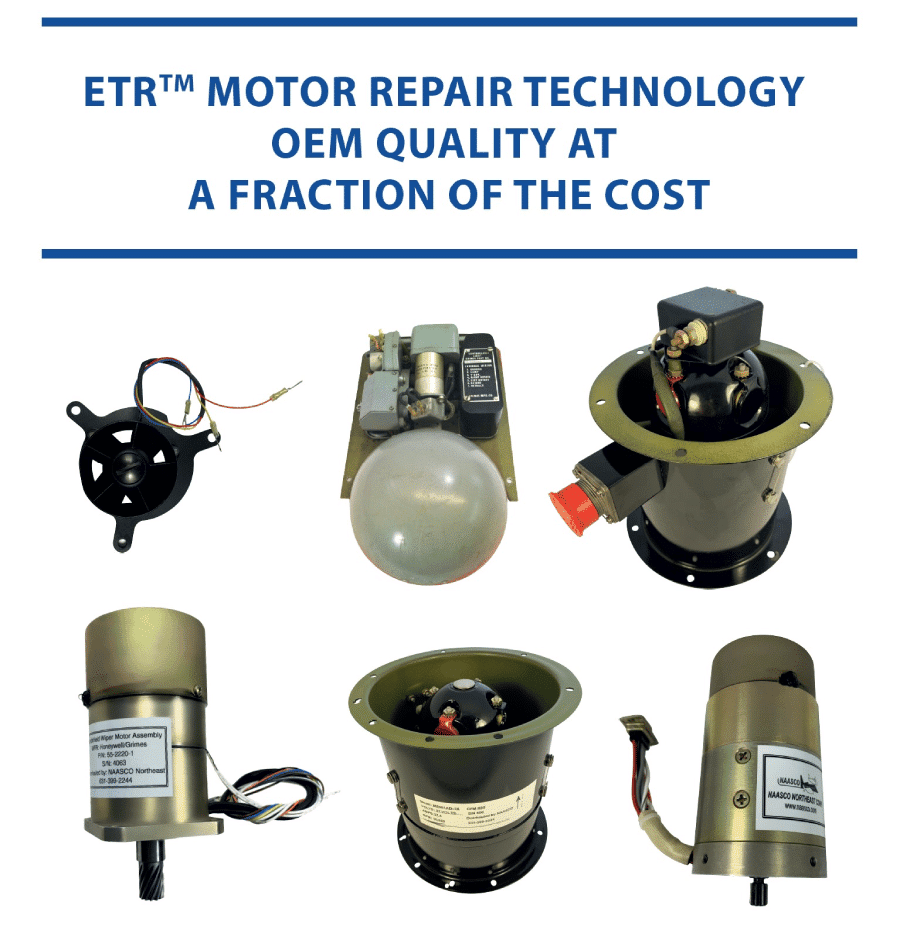
Modern aircraft rely on many interconnected systems that must operate in perfect coordination. At the center of several critical functions are electro mechanical components, which combine electrical power with mechanical movement to support essential operations. These components help start engines, power internal systems, and control mechanical actions across the aircraft.
Because they handle both electrical and mechanical tasks, they are exposed to constant vibration, heat, and operational stress. Over time, this can lead to wear or failure. Understanding common issues and repair approaches helps operators maintain reliability and reduce unexpected downtime.
Understanding Aircraft Electro Mechanical Components
These components convert electrical energy into mechanical motion or use mechanical movement to control electrical circuits. In aircraft, they create the connection between electrical systems and physical operations.
Aircraft electrical components power motors, pumps, switches, and actuators across multiple aircraft systems. From engine starting to cooling, lighting, and flight control movement, they support several essential functions, making their reliability critical for safe and efficient aircraft performance.
Key Electro Mechanical Components in Aircraft Systems
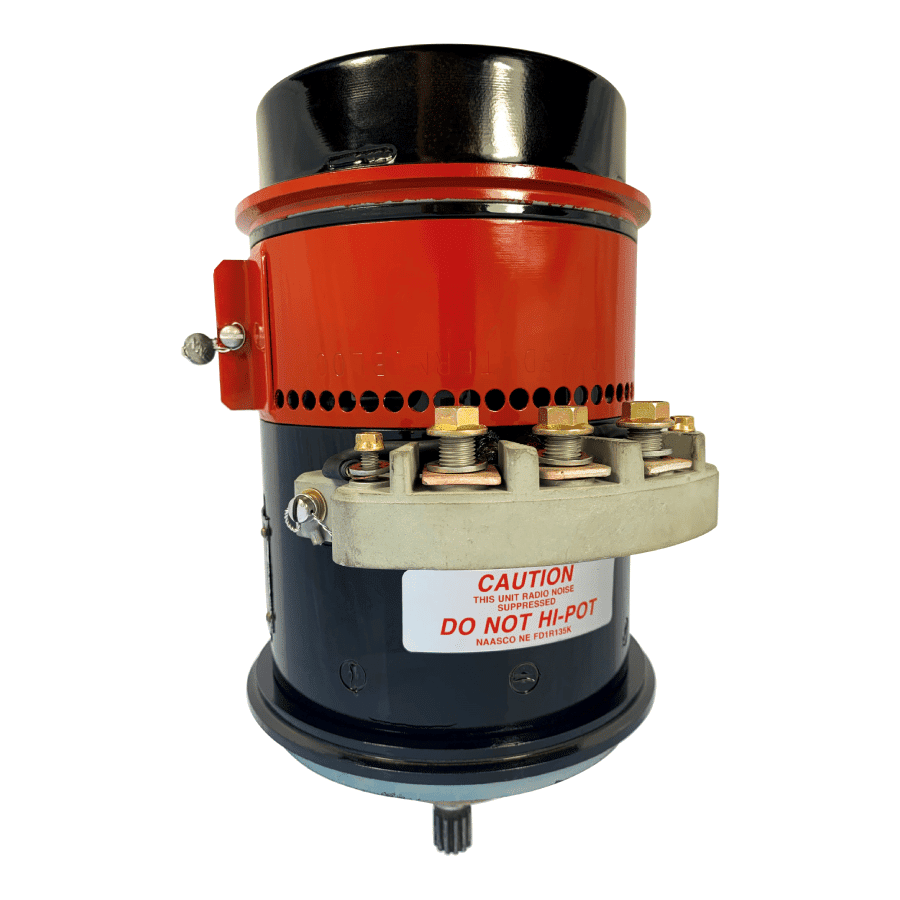
1. Starter Generators
Starter generators serve two important functions in aircraft. They start the engine by acting as a motor and then switch roles to generate electrical power once the engine is running. Because they operate during every flight cycle, they must remain highly reliable.
2. Actuators (Rotary and Linear)
Actuators convert electrical signals into mechanical movement. They help control flight surfaces, braking systems, and other mechanisms that require precise motion.
3. Relays and Contactors
Relays and contactors are important airplane electrical components that manage power within aircraft circuits. They control switching operations and help protect systems from electrical overload.
4. Fan Motors and Blower Motors
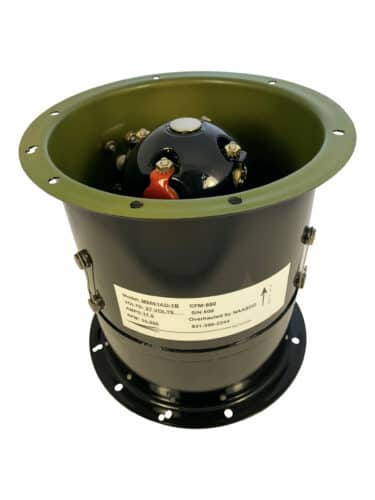
These motors regulate airflow to cool electronic equipment and maintain proper cabin and system ventilation.
5. Pumps and Auxiliary Motors
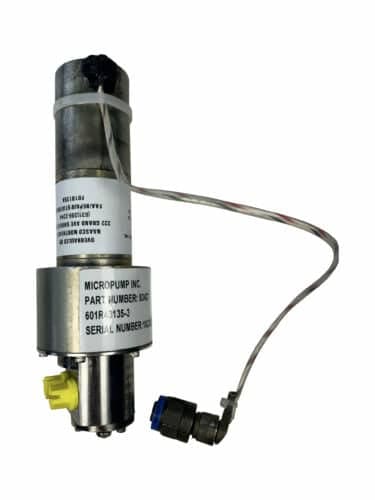
Pumps and auxiliary motors support hydraulic systems, fluid circulation, and other mechanical processes necessary for stable aircraft operation.
Common Failures in Aircraft Electro Mechanical Components
Although designed for durability, electro mechanical components can develop faults over time due to operational conditions and environmental factors.
1. Electrical Wear and Component Aging
Over extended periods of use, electrical components naturally degrade. Wiring insulation can weaken, electrical contacts may wear down, and internal circuits can experience fatigue. These changes gradually reduce efficiency and may eventually lead to failure.
2. Mechanical Stress and Vibration
Aircraft are constantly exposed to vibration during flight operations. Over time, this vibration can affect internal mechanical parts such as bearings, shafts, and mounting structures. Mechanical stress may lead to misalignment or increased friction, which affects performance.
3. Overheating and Thermal Damage
Electro mechanical components often generate heat while operating. If cooling systems are insufficient or components are used continuously under high loads, excessive heat can damage internal windings, circuits, and insulation materials. Thermal stress is one of the leading causes of electrical component failure in aviation systems.
4. Contamination and Environmental Exposure
Moisture, dust, and debris can enter mechanical assemblies and electrical housings. This contamination can lead to corrosion, electrical short circuits, or mechanical blockages. Aircraft operating in varied climates and environments are particularly susceptible to such conditions.
5. Improper Maintenance or Installation
Even well-designed airplane electrical components can fail if they are incorrectly installed or maintained. Improper alignment, inadequate lubrication, or incorrect electrical connections can shorten the lifespan of electro mechanical components. Routine inspection and proper servicing are therefore essential to avoid preventable failures.
Repair and Overhaul Solutions for Aircraft Components
When electro mechanical components show signs of malfunction, timely repair and overhaul procedures help restore performance and extend service life.
1. Component Inspection and Testing
The repair process typically begins with a detailed inspection. Technicians evaluate electrical circuits, mechanical assemblies, and performance parameters to identify the root cause of failure. Advanced testing equipment is often used to simulate operational conditions and verify component functionality.
2. Repair and Replacement of Worn Parts
After diagnosing the issue, technicians repair or replace worn internal aircraft electrical components such as bearings, electrical contacts, wiring, and seals. This step restores the functionality of the device without requiring complete replacement.
3. Component Overhaul
In many cases, a full overhaul is performed. This process involves disassembling the component, inspecting each internal part, and refurbishing or replacing elements that no longer meet operational standards. An overhaul helps return the component to a condition comparable to its original performance specifications.
4. Functional Testing and Certification
Once repairs are complete, the electro mechanical component undergoes rigorous testing. Functional testing ensures that the equipment operates correctly under simulated aircraft conditions. Certification confirms that the repaired unit meets regulatory and safety standards before returning to service.
Benefits of Professional Electro Mechanical Component Repair
- Improves reliability of critical aircraft systems
- Reduces operational downtime and maintenance delays
- Extends the service life of valuable aircraft components
- Provides cost savings compared to purchasing new OEM parts
- Ensures compliance with aviation safety and regulatory standards
- Enhances overall aircraft performance and efficiency
Conclusion
Aircraft rely heavily on electro mechanical components to support many of their essential functions. From engine startup to system cooling and mechanical control, these components play a central role in keeping aircraft systems operating smoothly.
Reliable aircraft performance starts with dependable component support. Submit an RFQ or connect with NAASCO to discuss your electro-mechanical repair requirements!