
From Chaos to Control: The Heart of Your Business Beats in a New Kind of Warehouse
The feeling is all too familiar for anyone who has run a business that depends on physical goods. It’s a knot in your stomach when a peak season forecast arrives. It’s the frustration of a customer service call about a “lost” shipment you know is sitting somewhere in your facility. It’s the exhaustion of trying to scale, only to be hamstrung by the sheer physical and logistical chaos of your own warehouse. For too long, the warehouse has been a source of anxiety—a chaotic, costly, and unpredictable black hole.
But a profound shift is happening. A new generation of warehouse automation companies is no longer just selling robots; they are selling peace of mind. They are deploying AI warehouse solutions that don’t just move boxes—they think, predict, and adapt. This isn’t just an upgrade to your operations; it’s a transfusion of clarity and control into the very heart of your business.
This article is for the business leader who lies awake at night worrying about fulfillment, for the operations manager fighting daily fires, and for the visionary who knows their company deserves a supply chain that is a competitive weapon, not a liability. We will move beyond the technical jargon to explore how the right partnership and technology can transform not just your floor space, but your entire future.
The Old War: Why Traditional Warehouses Are a Source of Pain
To understand the revolution, we must first acknowledge the pain points of the traditional warehouse. These are not just inefficiencies; they are emotional and financial drains on an organization.
- The Human Error Tax: In a manual warehouse, mistakes are not a matter of if, but when and how many. A mis-picked item, an incorrect shipping label, a misplaced pallet—each error cascades into a customer complaint, a return, a refund, and a tarnished brand reputation. You are constantly paying a “tax” born from the inherent difficulty of managing vast inventories with human hands and tired eyes.
- The Scalability Ceiling: Your sales team lands a massive, game-changing contract. Instead of pure elation, a wave of dread follows: “Can our warehouse handle this?” Scaling a manual operation means a frantic rush to hire, train, and manage a temporary workforce, often leading to more errors and lower morale. Your growth is physically capped by the walls of your building and the capacity of your team.
- The Labor Strain: The warehouse industry faces a perpetual crisis: high turnover, difficult recruiting, and rising labor costs. The work is physically demanding, often repetitive, and can be unsafe. You’re not just managing logistics; you’re managing a constant cycle of hiring and training, draining HR resources and operational consistency.
- The Blind Spot: In a traditional setup, you have data, but not insight. You know what you sold and what you have in stock, but you have little visibility into what is happening right now on the floor. Which orders are lagging? Which pick paths are inefficient? Where is the congestion? You are making critical decisions based on hindsight, not real-time intelligence.
This “old war” is a battle against entropy. It’s exhausting, expensive, and ultimately, unwinnable with outdated tactics.
The New Hope: What is a Modern Warehouse Automation Company?
A modern warehouse automation company is fundamentally different from the material handling equipment vendors of the past. They are not merely equipment suppliers; they are strategic partners in digital transformation. Their role is to architect an ecosystem where hardware and software fuse to create a living, responsive system.
Their solutions are built on a layered approach:
1. The Physical Layer: The Robotic Workforce
This is the most visible layer—the robots on the floor. But today’s automation is incredibly diverse:
- Autonomous Mobile Robots (AMRs): These are the smart carts that bring shelves to workers (Goods-to-Person), transport goods across vast facilities, and collaborate safely with humans.
- Automated Guided Vehicles (AGVs): For more structured, repetitive point-to-point movement of heavy pallets.
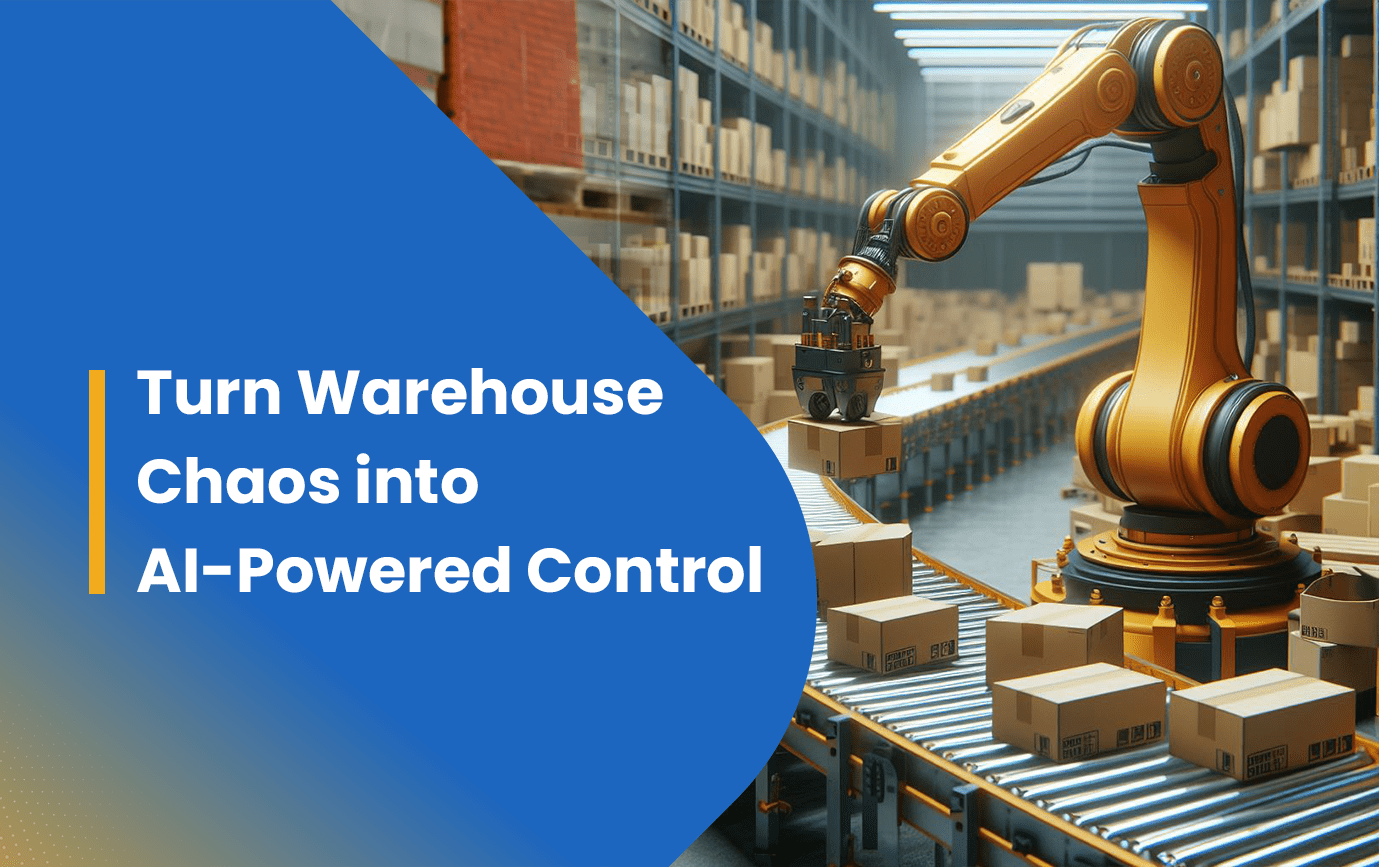
- Robotic Arms: For automated palletizing, depalletizing, and even complex picking tasks.
- Automated Storage and Retrieval Systems (AS/RS): Massive, high-density vertical systems that store and retrieve goods with breathtaking speed and accuracy, maximizing cube utilization.
The key takeaway is that a modern provider doesn’t just sell one type of robot; they design a symphony of different technologies tailored to your specific SKUs, order profiles, and facility layout.
2. The Digital Nervous System: The Warehouse Execution System (WES)
While the robots are the muscles, the WES is the brainstem. It’s the mission-critical software that directs the traffic on your floor. It assigns tasks to the right robots, optimizes their routes in real-time to avoid congestion, and ensures that the flow of work is smooth and efficient. It turns a collection of individual machines into a coordinated team.
The True Game-Changer: Infusing AI into the Warehouse
This is where the evolution from automation to cognitive operation occurs. AI warehouse solutions act as the cerebral cortex of the entire operation, layering predictive and prescriptive intelligence over the robotic workforce.
1. AI-Powered Forecasting and Digital Twins
Before a single order is placed, AI is at work. By analyzing historical data, seasonality, and market trends, AI can predict future demand with remarkable accuracy. This allows the system to create a “digital twin”—a virtual, real-time replica of your physical warehouse.
- You can run simulations: “What happens if we get 5,000 orders on Black Friday?” or “How should we re-slot the warehouse for a new product line?”
- This allows for proactive optimization, positioning best-selling SKUs in the most accessible locations before the rush hits.
2. Intelligent Slotting
AI doesn’t just store products; it strategizes their placement. It dynamically analyzes:
- Velocity: How often an item is picked.
- Affinity: Which items are frequently ordered together (e.g., phone cases and chargers).
- Size and Weight: To optimize space and comply with carrier rules.
By constantly re-slotting the warehouse, AI minimizes travel time for pickers and robots, dramatically boosting overall efficiency.
3. Predictive Analytics and Prescriptive Maintenance
This is where anxiety turns into assurance.
- For Operations: AI can predict potential bottlenecks hours before they occur. It can alert a manager that a specific packing station is falling behind and prescriptively re-route work to balance the load.
- For Maintenance: It can monitor the health of robots and other equipment, predicting failures before they happen. Instead of a catastrophic breakdown halting your operation, you get a notification: “Replace the motor on Robot #42 in the next 72 hours.” This transforms maintenance from a reactive firefight to a calm, scheduled activity.
4. Dynamic Order Streaming and Picking Optimization
An AI doesn’t see orders in a simple first-in, first-out queue. It sees a complex puzzle. It can:
- Batch Orders: Group multiple orders together so a single robot trip can fulfill several at once.
- Sequence Orders: Prioritize and re-sequence work in real-time based on carrier cut-off times, order value, or customer priority.
- Optimize Pick Paths: Calculate the absolute most efficient route for a picker or robot through the warehouse, saving precious seconds on every single trip.
The Tangible Payoff: From Cost Center to Profit Engine
The investment in a partnership with a forward-thinking warehouse automation company pays dividends that are both quantitative and qualitative.
- Operational Serenity: The 3 AM phone calls stop. You gain an unshakeable confidence that the system is running optimally, 24/7. The knot in your stomach loosens and is replaced by the quiet assurance of control.
- Unlocked Growth: You shatter the scalability ceiling. Your warehouse can now handle 2x, 3x, or even 10x the volume without a proportional increase in headcount or space. That game-changing contract now brings pure elation, not dread.
- The Empowered Workforce: The nature of warehouse jobs evolves. Instead of monotonous, physically taxing tasks, employees are upskilled to become robot supervisors, system analysts, and exception handlers. This leads to higher job satisfaction, lower turnover, and a more engaged, valuable team.
- Customer Love: Accuracy rates soar to 99.99%+. Shipping times plummet. Your customers receive the right product, at the right time, every time. The warehouse ceases to be a source of complaints and becomes a silent engine of brand loyalty and stellar reviews.
Conclusion: It’s Not an Upgrade, It’s a Foundation for the Future
We began with chaos—the cluttered floors, the lost shipments, the endless firefighting. We end with cognition—a warehouse that sees, thinks, and adapts.
Partnering with a modern SAP Extended warehouse automation company to implement AI warehouse solutions is no longer a luxury for a few logistics giants. It is a strategic imperative for any business that wants to compete on customer experience, scale without limits, and build a resilient, future-proof operation.
It is the journey from a place of constant reaction to a state of graceful, intelligent control. It’s about ensuring that the heart of your business—the place where your promise to your customer is physically fulfilled—beats strong, steady, and smart, today and for all the tomorrows to come.