
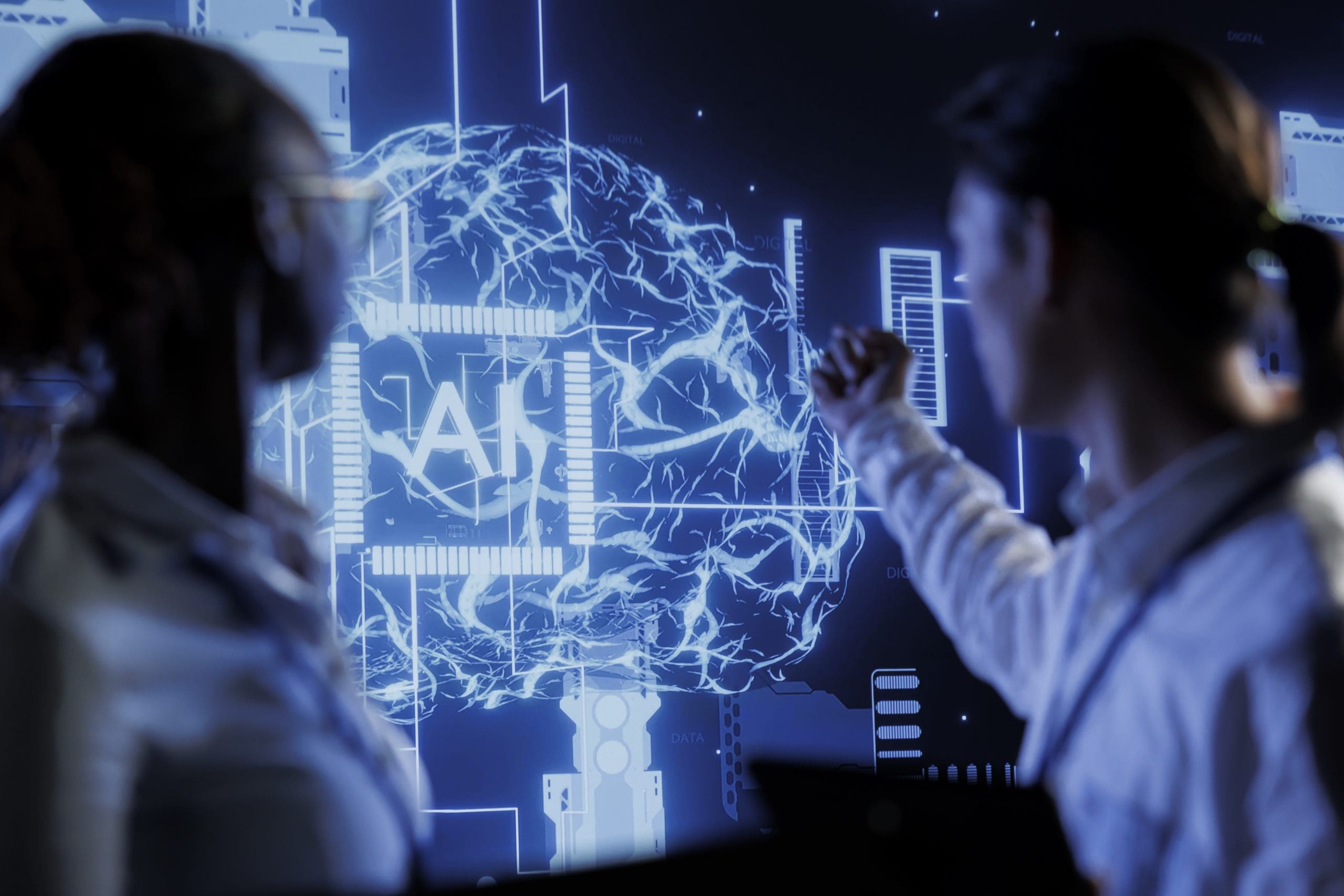
Artificial Intelligence (AI) is no longer just a buzzword—it’s reshaping how students learn, teachers teach, and institutions operate. From personalized learning experiences to intelligent grading systems, AI in education is unlocking a smarter, more efficient, and accessible future for learners around the world. Let’s explore how this transformative technology is revolutionizing the education industry through its benefits, use cases, and adoption trends.
What Is AI in Education?
AI in education refers to the use of machine learning, natural language processing, and data analytics to enhance teaching, automate tasks, and create adaptive learning environments. It enables systems that can “think” and “learn” from student behavior—helping educators deliver customized content, assess progress in real time, and improve learning outcomes.
Key Benefits of AI in Education
1. Personalized Learning
AI tools analyze student performance and tailor content to individual learning styles. Whether a student learns better through visuals, text, or interactive exercises, AI systems adapt lessons accordingly—boosting engagement and retention.
2. Intelligent Tutoring
Virtual tutors powered by AI offer 24/7 learning assistance. These digital companions can answer questions, explain difficult topics, and even evaluate assignments, ensuring students get continuous academic support.
3. Administrative Efficiency
Teachers spend a large portion of their time on grading and paperwork. AI-powered systems automate repetitive tasks like attendance tracking, test evaluation, and report generation, freeing educators to focus on actual teaching.
4. Data-Driven Insights
AI analytics can assess student performance trends and predict learning gaps early. Institutions can use these insights to make informed decisions about curriculum improvement and teaching methods.
5. Enhanced Accessibility
AI-driven tools such as text-to-speech and speech-to-text help students with disabilities engage better with learning materials. These inclusive technologies make education more equitable and barrier-free.
Real-World Use Cases of AI in Education
1. Adaptive Learning Platforms
Platforms like Coursera and Khan Academy use AI algorithms to recommend lessons and quizzes based on individual progress, ensuring each learner gets a customized pathway.
2. Virtual Classrooms and AI Chatbots
AI-powered chatbots assist students with real-time answers to course-related questions and administrative queries. Institutions are also adopting virtual teaching assistants that use NLP (Natural Language Processing) for interactive engagement.
3. Automated Essay Evaluation
AI systems can assess written assignments, essays, and comprehension tests using natural language understanding. This not only reduces grading time but also provides constructive feedback for improvement.
4. Language Learning Apps
AI-based apps like Duolingo leverage speech recognition and predictive analytics to personalize lessons and correct pronunciation, helping learners master new languages faster.
5. Early Learning Intervention
By tracking behavioral and academic data, AI can identify students at risk of falling behind and recommend timely intervention, enabling educators to take proactive measures.
Adoption Trends: How Educational Institutions Are Embracing AI
The adoption of AI in education has accelerated post-2020, with hybrid and remote learning becoming mainstream. Schools, colleges, and edtech startups are investing in AI-powered tools for virtual classrooms, predictive analytics, and student engagement. According to recent studies, the global AI in education market is projected to grow at over 35% CAGR between 2024 and 2030, driven by personalized learning demand and data-driven education strategies.
However, successful adoption requires more than technology—it demands digital readiness, ethical use of student data, and training for educators. As institutions bridge these gaps, AI will continue to evolve as a key driver of smarter, more inclusive education systems.
The Future of Learning with AI
AI is setting the foundation for the future of learning—one where education is personalized, accessible, and limitless. As technology continues to advance, classrooms will transform into intelligent ecosystems where every student’s potential is recognized and nurtured.
From enhancing teaching efficiency to empowering learners, AI for education is not just a trend—it’s the future of how knowledge will be shared, measured, and experienced.
