
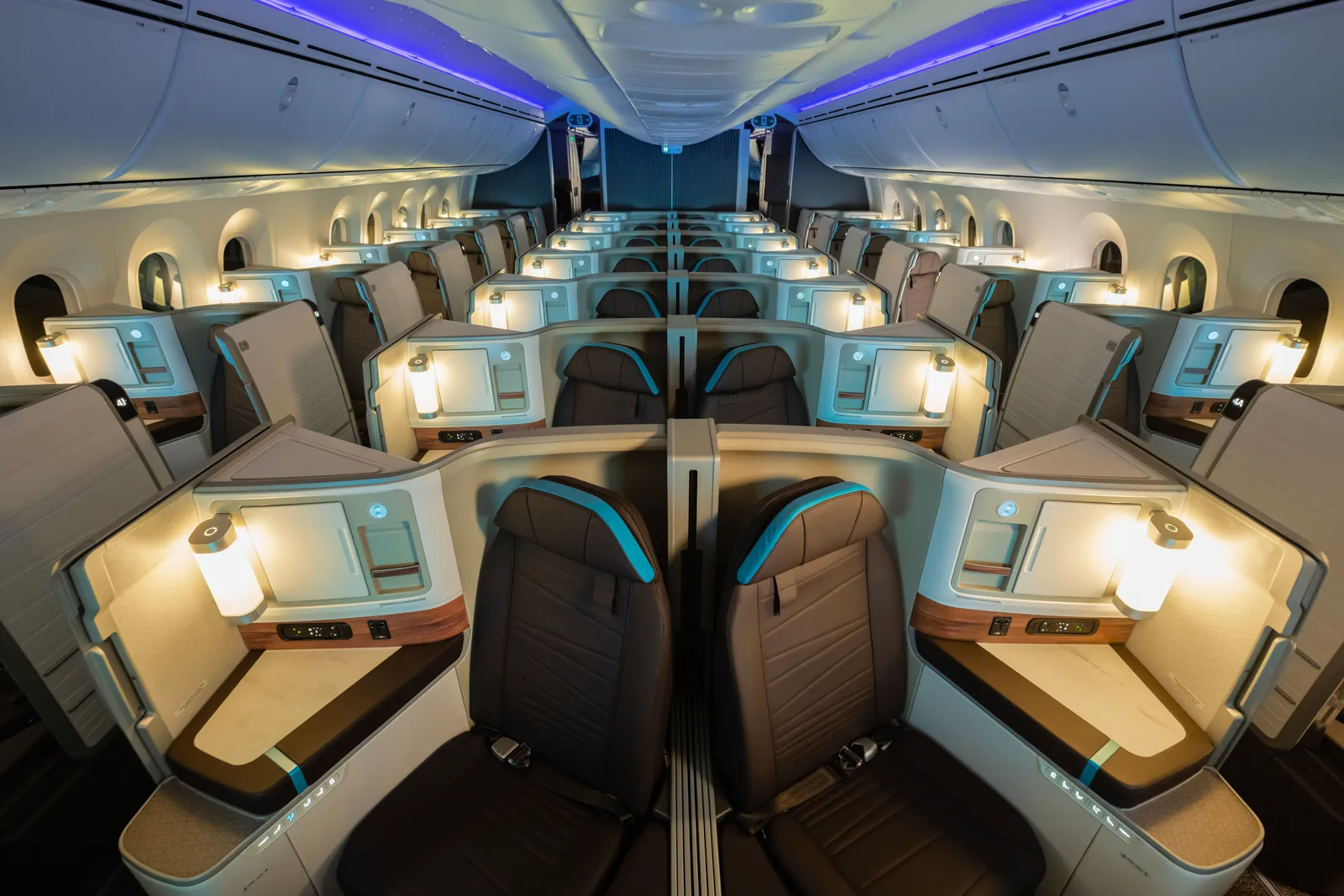
The first time I turned left on a plane instead of right, I almost laughed out loud. Not because of the champagne they handed me before takeoff—or the seat that turned into a bed—but because I knew exactly how much I hadn’t paid for it. Somewhere over the Atlantic, sipping a drink that cost more than my first hostel bed in Eastern Europe, it hit me: luxury travel isn’t about how much money you have. It’s about how you play the game.
Back in 2006, when I hopped into my first country without a return ticket, I was flying the cheapest red-eyes imaginable, knees jammed into plastic seats, eating whatever passed for food at 35,000 feet. Fast forward a few years—and a couple hundred countries later—and I found myself consistently flying business and first class. Not because I got rich overnight, but because I got smart.
Let’s get one thing straight: paying full price for premium cabins is almost always a rookie move.
The Myth of Expensive Luxury
Most people assume business and first class tickets are reserved for CEOs, celebrities, or people with more money than sense. And sure, if you walk up to an airline website and book a last-minute first class ticket from New York to Tokyo, you might see a price tag north of $10,000.
But here’s the truth: very few seasoned travelers actually pay that.
Airlines operate on a complex system of pricing algorithms, loyalty incentives, and—frankly—mistakes. If you understand how that system works, you can consistently fly in luxury for a fraction of the sticker price.
I’ve flown lie-flat seats across the Pacific for less than what most people pay in economy. I’ve taken first class suites in the Middle East that felt like hotel rooms—all because I knew where to look and when to book.
The Game: Timing, Flexibility, and Strategy
Trust me, crossing a chaotic land border at midnight teaches you patience—but it also trains you to recognize patterns. Flights aren’t that different.
The biggest mistake people make? They’re rigid.
If you need to fly on a specific date, from a specific airport, to a specific destination—you’ve already lost half the battle. The best deals exist in the margins: odd departure times, secondary airports, or routes that airlines are trying to fill.
I once booked a business class ticket from Oslo to Bangkok for less than $800. Why? Because I was already in Europe, flexible with dates, and paying attention when a fare dropped.
That’s the key—be ready to move.
Mistake Fares and Flash Deals
Every so often, airlines make mistakes. Not small ones—big ones.
Think $500 roundtrip business class from North America to Asia. Or $1,200 first class tickets that should be $8,000. These are called mistake fares, and they don’t last long.
I’ve booked them from airport lounges, taxis, even once from a shaky Wi-Fi connection in rural Africa. When you see it, you don’t overthink—you book.
Now, not every deal is a mistake. Airlines also run promotions to fill premium cabins, especially on less popular routes. That’s where platforms like travelbusinessclass come into play—aggregating discounted premium fares that most travelers would never find on their own.
The trick isn’t just finding deals—it’s recognizing them fast enough to act.
Miles and Points: The Real Currency
If cash deals are the entry point, miles and points are the cheat code.
I’ve probably flown millions of miles in business and first class using points. And no, I didn’t earn them by flying constantly—I earned them through strategy.
Credit card sign-up bonuses, transfer partners, loyalty programs—they all add up. But here’s where people mess up: they hoard points like they’re gold bars.
Points are meant to be used.
One of my favorite redemptions? A first class flight on Emirates, complete with an onboard shower at 40,000 feet. Did I pay $15,000? No. I transferred points from a credit card program and paid a small fee.
That’s the kind of experience most people think is out of reach. It’s not.
Geographic Arbitrage: Where You Start Matters
Here’s something most travelers overlook: where you book from can drastically change the price.
Flights originating in certain countries—especially in Europe or Southeast Asia—are often significantly cheaper than those starting in the U.S. or Western Europe.
I’ve repositioned myself to cities like Cairo, Istanbul, or even Colombo just to take advantage of better premium fares. It might sound complicated, but when you’re saving thousands, it’s worth the extra leg.
Think of it like this: the journey to the deal is part of the adventure.
The Reality of Flying Premium
Now, let’s talk about the experience itself.
Yes, it’s more comfortable. Yes, the food is better. And yes, sleeping on a fully flat bed makes a world of difference when you’re landing halfway across the globe.
But here’s the thing most people don’t realize: luxury doesn’t change the essence of travel.
You still deal with delays. You still navigate unfamiliar airports. You still step into cultures that challenge your perspective.
The difference is how you arrive.
Landing well-rested instead of exhausted can change your entire trip. It’s the difference between needing a recovery day and hitting the ground running.
When to Splurge and When Not To
Not every flight needs to be business or first class.
Short-haul routes? Save your money. Two-hour flights in Europe or Southeast Asia don’t justify the premium.
But long-haul flights—especially overnight ones—that’s where it matters.
I always prioritize comfort on routes where sleep is critical. Crossing multiple time zones, arriving early in the morning, or heading straight into a packed itinerary—that’s when business class becomes less of a luxury and more of a strategy.
The Mindset Shift
Here’s the biggest takeaway: affordable luxury travel isn’t about chasing status—it’s about maximizing value.
Most people either fly economy and assume premium is unattainable, or they splurge once and feel guilty about it. The sweet spot is in between—flying smarter, not just cheaper or more expensive.
I’ve met travelers who spend more annually flying economy than I do flying business class. Why? Because they book without thinking, stick to rigid plans, and ignore opportunities.
Travel rewards those who pay attention.
Practical Advice From the Road
If you want to start flying business and first class without breaking the bank, here’s what actually works:
- Be flexible with dates and destinations
- Monitor deals regularly—they don’t wait for you
- Use points strategically, not emotionally
- Consider repositioning flights to cheaper departure cities
- Book fast, think later when you see an exceptional deal
And one more thing—don’t get caught up in the hype. Flying first class is great, but it’s not the destination.
Final Thoughts From 40,000 Feet
CNN interviewed me after they spotted me in Antarctica, and one of the questions they asked was about luxury travel. Did flying in style change how I experienced the world?
The answer was simple: it enhanced the journey, but it didn’t define it.
I’ve had just as meaningful experiences stepping off a cramped bus in West Africa as I have stepping off a first class suite in Dubai. The difference is comfort—not connection.
So chase the deals. Learn the systems. Play the game.
But never forget why you’re traveling in the first place.