

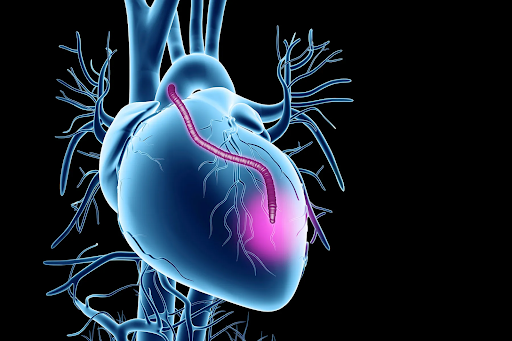
Cardiovascular diseases remain a leading cause of health complications worldwide, with coronary artery disease being one of the most common. Bypass surgery plays a crucial role in restoring blood flow to the heart, improving quality of life, and reducing cardiac risks. In Delhi, hospitals have progressively refined surgical techniques to improve patient outcomes, reduce recovery times, and enhance procedural safety.
Heart bypass surgery in Delhi has evolved significantly over the years. Traditional procedures often involved large chest incisions and long recovery periods, which could be physically demanding for patients. Modern techniques now focus on minimising invasiveness, reducing complications, and providing faster post-operative recovery. These improvements reflect both the technical expertise of cardiac surgeons and the availability of advanced surgical infrastructure in leading hospitals.
Conventional Coronary Artery Bypass Grafting
Conventional coronary artery bypass grafting (CABG) remains a cornerstone of cardiac surgery in many Delhi hospitals. This method involves using healthy blood vessels from the leg, arm, or chest to bypass blocked coronary arteries. By creating alternative pathways for blood flow, the heart muscle receives adequate oxygen, relieving symptoms such as chest pain and breathlessness. Although this method requires larger incisions and a longer recovery period, it continues to be the preferred option for patients with multiple blockages or complex coronary anatomy, ensuring reliable and long-term results.
Minimally Invasive Bypass Surgery
Minimally invasive bypass surgery has brought significant improvements to patient care. This approach uses smaller incisions, sometimes as small as 5 to 10 centimetres, and specialised instruments to perform the procedure. Some hospitals also use robotic or video-assisted tools to enhance surgical precision. Minimally invasive surgery reduces trauma, lowers the risk of infection, and shortens hospital stays. Patients benefit from less pain and faster returns to daily activities, making this an increasingly popular option in Delhi cardiac centres.
Off-Pump Coronary Artery Bypass
Off-pump coronary artery bypass, also known as beating-heart surgery, represents another major advancement. Unlike conventional CABG, it does not require a heart-lung machine to temporarily support cardiac function. Surgeons perform the grafting while the heart continues to beat naturally. This technique is particularly advantageous for elderly patients or those with additional health conditions, as it lowers the risk of complications such as cognitive dysfunction. Off-pump surgery has become an important option for delivering safer, personalised cardiac care in Delhi.
Hybrid Revascularisation Techniques
In recent years, hybrid coronary revascularisation has emerged as a versatile technique for managing complex coronary artery disease. This approach combines traditional bypass surgery with percutaneous interventions such as stenting. Key features of hybrid techniques include:
- Bypass grafts for major or critical blockages
- Stenting for smaller or less critical blockages
- Tailored treatment plans for individual patients
- Reduced overall surgical time and faster recovery
By combining two treatment methods, hybrid revascularisation allows cardiac surgeons to address blockages more efficiently and personalise care according to patient needs. This approach is increasingly available in leading Delhi hospitals, offering a safer and more targeted solution for patients with varying coronary conditions.
Enhanced Grafting Techniques
Advances in grafting techniques have also improved the success and durability of bypass surgery. Modern methods focus on optimising the use of vessels and improving long-term outcomes. Key enhancements include:
- Use of arterial grafts instead of veins for better longevity
- Sequential grafting techniques to treat multiple blockages with fewer vessels
- Composite grafts for efficient blood flow management
- Reduced complications and faster post-operative recovery
These improvements have made grafting more effective and reliable, ensuring that patients receive sustainable benefits from bypass procedures.
Precision and Imaging in Surgery
Accurate pre-operative planning and real-time imaging play a crucial role in modern bypass surgery. Delhi hospitals now rely on advanced imaging technologies to guide surgeons and improve procedural precision. Important aspects include:
- 3D mapping of coronary arteries for exact blockage identification, allowing detailed visualisation of complex vascular structures
- High-resolution angiography to determine the optimal graft placement and ensure better alignment during surgery
- Better intraoperative guidance, reducing risks during surgery, and supporting real-time decision-making
By integrating these imaging techniques, surgeons can perform more precise procedures, minimise complications, and enhance the overall safety, efficiency, and effectiveness of bypass surgeries.
Conclusion
Bypass surgery techniques in Delhi hospitals have undergone remarkable advancements in recent years. From conventional CABG to minimally invasive, off-pump, hybrid, and advanced grafting procedures, modern cardiac surgery focuses on safety, precision, and faster recovery. Heart bypass surgery in Delhi now combines skilled surgical expertise, innovative techniques, and patient-focused care. These developments ensure that individuals requiring coronary revascularisation benefit from improved outcomes, shorter recovery periods, and comprehensive support throughout the treatment process, marking a new standard in cardiac care.