
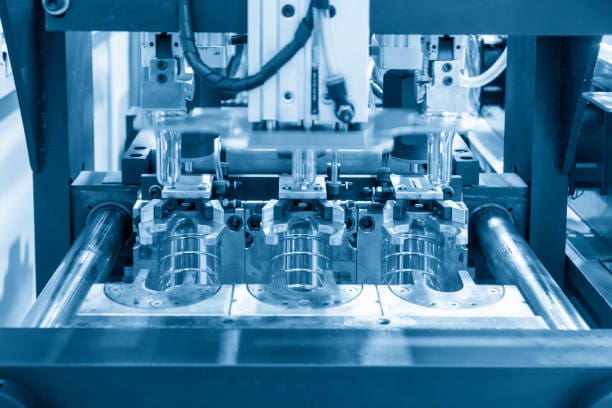

Custom plastic injection molding is a widely used manufacturing process that allows companies to produce highly detailed and durable plastic parts with impressive consistency. By working with a custom mold designed specifically for a product’s geometry, the process ensures that every molded part meets exact performance and aesthetic standards. From intricate electrical housings to automotive interior components, this method provides the reliability and scalability required to keep modern manufacturing efficient.
How the Injection Molding Process Takes Shape
The injection molding process begins with a carefully engineered 3D part design that defines size, thickness, structural elements, and compatibility with the molding process. Once finalized, a hardened mold is manufactured to match the exact specifications of the design. During production, raw plastic resin pellets are heated and melted into a flowing state before being injected into the mold under controlled pressure. The mold cools the molten plastic, solidifying it into its final shape. When the mold opens, finished parts are automatically ejected, ready for quality checks or additional finishing. This streamlined cycle makes it possible to produce large volumes of identical parts with exceptional speed.
Why Manufacturers Choose Custom Plastic Injection Molding
One of the primary advantages of custom plastic injection molding is its ability to maintain precision across millions of units without variation. This reliability is crucial for safety-critical industries, including medical, automotive, and aerospace sectors. Additionally, the method allows for cost-efficiency in large-scale production, as the high upfront mold cost is offset by extremely low per-unit manufacturing expenses. The capability to choose from a wide range of plastic resins — from flexible elastomers to high-strength engineering plastics — further enhances versatility, enabling highly tailored solutions for different products and environments.
Materials That Define Performance and Reliability
Material choice plays a major role in determining how a molded part behaves under real-world conditions. Commonly used materials such as ABS, polypropylene, nylon, and polycarbonate bring different strengths to the table — whether it’s impact resistance, chemical stability, flexibility, or dimensional accuracy. The availability of specialized compounds, including UV-stable polymers, medical-grade materials, and high-temperature plastics, allows engineers to fine-tune product performance for specific applications. With proper material selection, manufacturers can ensure durability, compliance, and longevity.
Where Injection-Molded Components Are Used
Injection molding impacts almost every modern industry. In automotive manufacturing, molded components appear in dashboard structures, fluid reservoirs, connectors, and fasteners that must withstand vibration and temperature shifts. In medical environments, single-use instruments, syringe bodies, and sterilizable parts depend on precise molding for safety and hygiene. Consumer goods — from kitchen tools to storage containers — owe their usability and ergonomic shapes to plastic molding. Electronics manufacturers rely on molded housings that protect circuitry and enable compact, lightweight design. These examples demonstrate how foundational injection molding is to everyday products.
Designing for Moldability and Manufacturing Efficiency
Smart design decisions can dramatically improve part quality and reduce production costs. Maintaining uniform wall thickness prevents internal stresses that can cause warping or cracking. Incorporating draft angles allows for easy ejection from the mold, reducing wear and increasing mold life. Strategic placement of ribs can strengthen parts without increasing mass or material cost. Additionally, engineers consider how material will flow through the mold to avoid air traps, sink marks, or surface defects. When design and manufacturing teams collaborate early in development, products not only function better but also can be manufactured faster and more economically.
Prototype Versus Full-Scale Production
Companies often begin with prototype molding to test real parts before committing to a full production mold. Prototypes allow for iterative refinement and proof-of-concept testing using less expensive molds. Once the design is verified and approved, production molds — usually made of hardened steel — are created for long-term manufacturing. These molds are capable of producing thousands to millions of parts efficiently, offering the stability and consistency required for commercial distribution. This phased approach minimizes risk and ensures optimal results.
Selecting a Trusted Injection Molding Partner
Choosing the right manufacturing partner can make or break a project. An ideal partner offers engineering guidance, design feedback, mold construction expertise, material knowledge, and rigorous quality control. Certifications such as ISO or industry-specific compliance standards are indicators of reliability. Transparent communication, proven experience, and efficient production timelines are essential qualities. A good injection molding partner doesn’t just manufacture parts — they support product goals through every stage of development, from concept to finished shipment.
The Future of Custom Plastic Injection Molding
The industry continues to evolve with technological advancements that improve efficiency and sustainability. Modern molding facilities are integrating robotics to automate part handling and reduce labor costs. AI and digital inspection systems are emerging as precision tools for identifying microscopic defects. The shift toward eco-conscious materials and recycled polymers is enabling a more sustainable approach to plastic manufacturing. Additionally, rapid-prototype molding and additive mold-making techniques are accelerating product development cycles. These innovations point to a future where injection molding becomes faster, cleaner, and even more adaptive.
Final Reflection
Custom plastic injection molding remains the backbone of modern part manufacturing, enabling companies to produce detailed, reliable, and cost-effective components at scale. Its flexibility in material choice, design capability, and repeatability ensures that both simple and highly specialized products can be made with exceptional precision. Across industries and applications, injection molding continues to deliver value, shaping everything from industrial equipment to everyday household products.
