
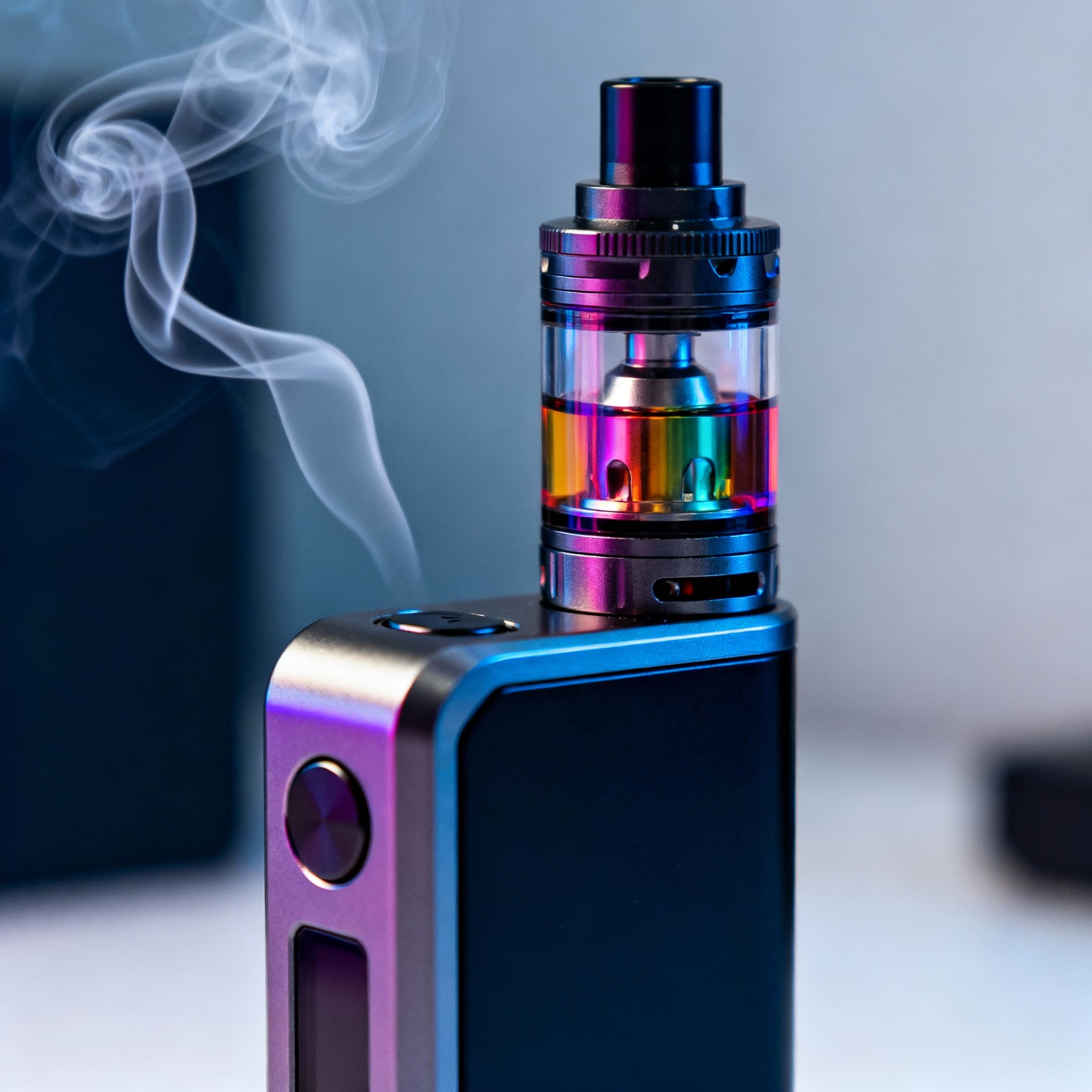
The vaping market in the United Kingdom has entered a phase of remarkable evolution. What was once a niche product category has become a mainstream alternative for many smokers, and the year 2025 appears as a pivot point. The remarkable rise in e-cigarette sales, coupled with changing patterns of use, regulatory shifts and innovation in devices and flavours, has transformed the landscape. This article unpacks the factors behind this surge, the contours of that growth, and what the future may hold.
Rising Popularity in Modern Lifestyles
The world of alternative smoking has evolved dramatically over the past decade, with sleek designs, rich flavors, and tech-inspired innovation shaping the experience. Among enthusiasts and casual users alike, discussions often revolve around vape rank, a concept that measures popularity, performance, and brand influence within the vaping community. This ranking reflects not just product quality, but also user satisfaction and emerging trends. As technology continues to refine vapor production and flavor precision, the competition among top brands intensifies, creating a vibrant marketplace where consumer preference defines who leads and who lags in the ever-growing vaping industry.
2. Market Size & Growth Trajectory
2.1 Historical growth and recent acceleration
Over the past decade, vaping has grown from fringe to familiar in the British market. For example, one source indicates that by 2023 the UK category had reached about £1.2 billion in sales, driven by roughly 4.7 million adult vapers. In turn, the market value has continued to climb, accelerated by disposable devices, wider flavour choice and convenience-store penetration.
2.2 Forecasts for 2025 and beyond
Forecasts suggest continued robust growth. One projection for the UK e-cigarette market indicates an estimated increase of USD 1.47 billion between 2025-2029, at a compound annual growth rate (CAGR) of ~13.6 %. Another outlook estimates a CAGR of 32.6% between 2024-2030, with the market revenue reaching USD 15,896.5 million by 2030. Moreover, data suggest that in 2025 around 10.4% of UK adults (circa 5.5 million people) vape. These numbers underscore a surprising and sustained rise in the e-cigarette domain.
3. Key Drivers of the Surge
3.1 Smoking cessation and harm-reduction narratives
One of the principal drivers has been the reframing of vaping as a potential harm-reduction alternative to combustible tobacco. Surveys from UK adults reveal that a large proportion of current vapers are ex-smokers: in 2024, about 53% of vapers were former smokers. This migration from cigarettes to e-cigarettes underpins much of the growth. The narrative—that vaping may be “less harmful” (though not harmless) than smoking—is embedded in consumer perception and marketing, boosting adoption.
3.2 Device innovation, flavour proliferation and convenience
Innovation has been rapid. The proliferation of pods, refillables, improved battery systems and a dazzling array of flavours have energized demand. In one report, a large share of sales was attributed to fruity flavour variants (65% of vape product share in convenience stores at end 2024) in the UK. Meanwhile, convenience stores and independent grocery outlets posted substantial gains: e-cigarette and other new nicotine product sales more than doubled to £1.7 billion in 2024 in convenience stores alone. The combination of aesthetic appeal, ease of access and perceived novelty has engendered broader uptake.
3.3 Distribution channels and retail expansion
Distribution has shifted from specialist vape shops to mainstream retail channels. Reports suggest supermarkets, hypermarkets, convenience chains and even petrol forecourts have become major outlets for vaping devices and consumables. This expansion has lowered the barrier to entry for new consumers, facilitating impulse purchases and stocking across traditional tobacco-selling outlets.
4. Changing Consumer Demographics & Behaviour
4.1 Who is vaping in Britain in 2025?
In 2025, according to the Action on Smoking and Health (ASH) report, around 10.4% of UK adults vape—approximately 5.5 million people. Among these: about 33% of current smokers are also vapers, and among former smokers, 18% vape. Younger age groups (18-24, 25-34) display the fastest growth, though the overall adult rate appears to plateau.
4.2 Device preferences and patterns of use
Consumer behaviour has evolved. Daily use is increasingly the norm: of ex-smokers who vape, 91% use e-cigarettes daily. Device types are shifting too: where disposables once surged, a regulatory environment and changing preference are pushing a shift to rechargeable/refillable formats. For instance, usage of disposable vapes fell markedly from ~44% to ~29% of users in a given period.
5. Regulatory & Policy Inflection Points
5.1 The ban on single-use/disposable vapes and its implications
One of the most significant policy interventions occurred on 1 June 2025, when the UK government implemented a ban on single-use/disposable vapes—regardless of nicotine content. The move was designed to curb youth uptake, reduce litter and environmental impact. This ban signalled a pivot: while the market is still rising, the format of growth is shifting. The banned segment had been a driver of expansion, and now the industry must adapt to refillable/rechargeable formats and more stringent product compliance.
5.2 Taxation, age restrictions and industry compliance challenges
The regulatory environment is complex: proposed taxes on nicotine liquids, higher duties on stronger nicotine content and stricter age-checks are among the tools under consideration. Compliance remains a challenge, with third-party research suggesting that a notable share of products sold may not meet regulatory criteria. The regulatory tightening may slow growth in certain segments or push innovation in others.
6. Industry and Market Dynamics
6.1 Established tobacco companies vs independent vape brands
The industry landscape features established tobacco giants (for example, British American Tobacco, Imperial Brands) alongside independent vape manufacturers and disruptors. Many of the large incumbents are increasingly engaged in the vape segment, signalling the market’s commercial significance. For independent brands, agility in device innovations and niche flavour offerings remains a key differentiator. Market-reports list dozens of such vendors in the UK. 6.2 Supply-chain, retail saturation and competitive pressures
Retail proliferation is intense. Some data suggest tens of thousands of outlets sell vape products (including convenience stores and specialist shops). With so many sellers, margins may be under pressure, and brand loyalty harder to win. Meanwhile, the shift away from disposables will have ripple effects through supply-chains (manufacturing, logistics, regulatory compliance). Retailers must adapt product mix and inventory accordingly.
7. Risks, Headwinds & Sustainability Questions
7.1 Regulatory backlash and public health concerns
Despite growth, the sector faces significant scrutiny. Public health bodies are concerned about youth uptake, dual use of cigarettes and e-cigarettes, and the long-term health effects of vaping. The regulatory interventions underscore this risk. With the growth story established, the industry must now navigate a more constrained environment.
7.2 Environmental impact and disposal issues
The environmental after-effects of vaping products are increasingly under the spotlight. Research shows that in the UK more than a million vapes are discarded daily, creating an “environmental nightmare” The single-use format contributed heavily to this waste. Recycling frameworks and battery disposal challenges pose material risks to the industry’s sustainability.
7.3 Dual use, under-age uptake and reputational risk
Another risk vector is dual-use—users who continue to smoke while vaping—and the uptake among never-smokers or younger age groups. If these trends expand, regulatory responses may tighten further, and the reputational risk for the industry will mount. Brands may face consumer backlash or public-policy headwinds.
A Modern Habit Redefined
In recent years, a new cultural wave has reshaped the way people approach relaxation and social interaction. Among these changes, vape products have emerged as a modern alternative to traditional smoking, offering diverse flavors and customizable experiences. This shift has influenced fashion, lifestyle, and even conversations about health awareness. Many see it as a tool for quitting cigarettes, while others embrace it as a trend symbolizing personal freedom and style. Despite ongoing debates, its presence in daily life continues to grow, reflecting how innovation can redefine long-standing habits and create entirely new forms of expression.
8. Conclusion: What the Rise Means — and What Comes Next
The UK e-cigarette market in 2025 presents a paradox: it has grown significantly, yet it is entering a phase of maturation, regulatory recalibration and shifting device preferences. The “surprising rise” has been driven by smoking cessation use-cases, flavour and device innovation, and widespread retail accessibility. But the future is not without challenges. The ban on single-use devices, taxonomy of taxes, heightened environmental scrutiny and evolving consumer behaviour will shape the next chapter.
For stakeholders—retailers, manufacturers, regulators and consumers—the message is clear: growth will continue, but the nature of that growth will change. Success will be defined not just by volume, but by compliance, sustainability, consumer loyalty and responsible business practices. The UK vaping market has arrived at a crossroads and its next move will define not only its commercial trajectory but its social license to operate.