
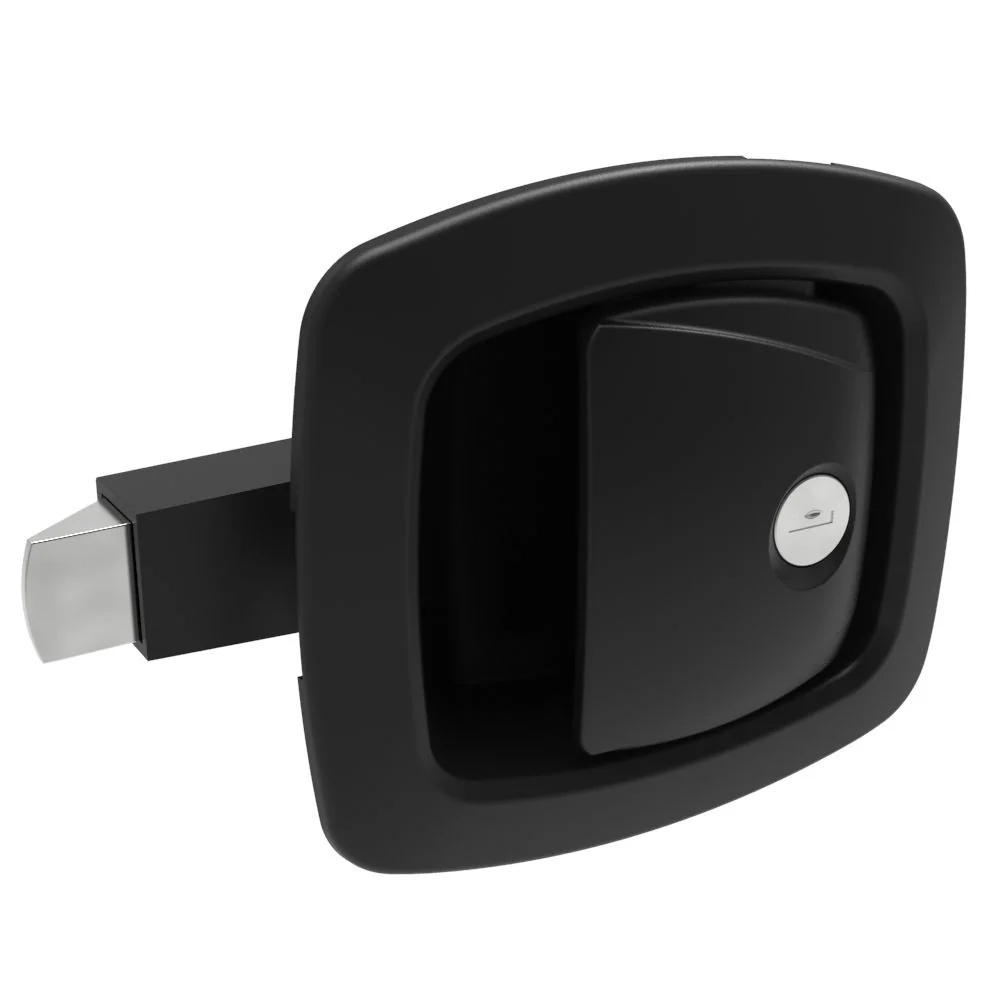
Every gate, whether part of a residential fence, industrial barrier, or commercial enclosure, relies on one essential component for reliable operation—gate latch hardware. This seemingly small detail plays a crucial role in maintaining both security and accessibility. Without a durable latch mechanism, even the most robust gate system would struggle to stay secure or function smoothly.
From simple swing gates to complex industrial enclosures, the right latch ensures controlled access and long-term reliability. Understanding how latch hardware functions, the materials it’s made from, and the different types available helps ensure the right choice for every application.
Understanding Gate Latch Hardware and Its Core Function
At its core, gate latch hardware is designed to keep a gate securely closed while allowing convenient operation when needed. It serves as the locking mechanism that holds the gate in position, preventing accidental opening due to pressure, vibration, or environmental factors like wind.
In industrial and commercial settings, latches often integrate with other components—such as hinges, locks, and handles—to form part of a complete access control system. A well-designed latch balances safety, ease of use, and durability under frequent operation.
The Mechanics Behind a Reliable Gate Latch
The functionality of gate latch hardware depends on a simple mechanical principle: a movable component (often a bar or bolt) fits into a catch or slot to secure the gate in place. When activated, the mechanism retracts or slides out of the catch, allowing the gate to open.
Many latches incorporate spring mechanisms or gravity-assisted movement to ensure automatic locking when the gate closes. Others rely on manual operation for added control. The efficiency of these mechanics determines how smoothly and securely a latch performs in daily use.
Common Types of Gate Latch Hardware
There are several types of door latches and gate latching mechanisms, each suited to different applications. Understanding the distinctions helps determine the most effective solution for specific environments.
- Gravity Latches: These self-closing latches rely on gravity to drop the latch bar into the catch when the gate swings shut. They are common in residential and light-duty outdoor gates.
- Spring-Loaded Latches: Equipped with a tension spring, these provide a secure closure with easy manual release. They are ideal for gates requiring frequent access.
- Slide Latches: Also known as bolt latches or barrel bolts, slide latches use a sliding rod that locks the gate in place. They are favored in agricultural and warehouse environments for their simplicity and strength.
- Thumb Latches: Operated with a thumb press, these latches combine security with decorative design, often used on wooden or ornamental gates.
- Padlockable Latches: Designed with a built-in hasp, these allow additional security through external locks—perfect for restricted-access areas.
- Magnetic and Electronic Latches: Modern innovations use magnetism or electronic control for smoother operation and remote locking capability, common in security-driven facilities.
Each latch type has unique benefits, making selection dependent on application requirements, gate design, and user preferences.
Materials Used in Gate Latch Hardware
Durability begins with material selection. Latch hardware is commonly made from metals that resist corrosion, mechanical stress, and outdoor exposure.
- Stainless Steel: Corrosion-resistant and ideal for outdoor or marine environments.
- Zinc-Plated Steel: Offers strength and moderate corrosion resistance at a cost-effective price.
- Brass: Provides an attractive finish for decorative gates while maintaining solid mechanical performance.
- Aluminum: Lightweight yet strong, suitable for modern or architectural installations.
- Plastic or Polymer Coatings: Used for specialized applications requiring non-conductive or chemical-resistant properties.
Selecting the appropriate material ensures consistent function and extended service life in both indoor and outdoor applications.
Applications Across Industries and Environments
Gate latch hardware finds use across numerous sectors due to its versatility and reliability.
- Residential: Fences, garden gates, and pool enclosures rely on simple yet secure latches.
- Commercial: Warehouses, parking areas, and facilities often require lockable or self-latching options for controlled access.
- Agricultural: Heavy-duty slide and bolt latches secure pens, barns, and gates exposed to rugged conditions.
- Industrial: Factories and loading docks use reinforced latch systems to maintain safety and restrict unauthorized entry.
- Institutional: Schools, hospitals, and government buildings rely on high-security, low-maintenance latch systems for consistent performance.
These varied environments highlight the importance of selecting latches that align with operational demands and environmental conditions.
Choosing the Right Gate Latch for Your Application
When selecting gate latch hardware, several factors influence the final choice:
- Gate Material: Metal, wood, or composite gates each require compatible mounting and locking systems.
- Usage Frequency: High-traffic areas benefit from automatic or spring-loaded latches to reduce wear.
- Security Needs: Areas requiring restricted access may demand padlockable or electronic latch designs.
- Exposure Conditions: Outdoor environments need corrosion-resistant finishes, while indoor applications can prioritize aesthetics.
A balanced approach ensures that the latch provides both strength and usability without unnecessary complexity or maintenance.
Installation and Maintenance Best Practices
Even the best latch can fail if improperly installed. Precise alignment between the latch and catch is critical to avoid binding or incomplete locking. For door catches or slide latches, ensuring smooth movement without friction helps extend the life of the components.
Routine maintenance—such as lubricating moving parts, tightening fasteners, and cleaning debris—keeps hardware functioning properly. Periodic inspections also identify wear or corrosion before it affects performance.
Innovations in Modern Gate Latch Hardware
Technological advancements continue to shape the design of modern latch hardware. Manufacturers now offer models with enhanced safety features, modular construction, and ergonomic designs for easier operation. Magnetic closures, soft-close mechanisms, and electronically actuated systems are increasingly common in commercial and high-security environments.
Sustainability is another growing focus. Many modern types of door latches are made from recyclable materials or designed for extended lifespans to reduce waste. Combined with sleek, low-maintenance finishes, these innovations support both functional and environmental goals.
Secure, Functional, and Built to Last
Choosing the right gate latch hardware ensures security, efficiency, and longevity across every application—from residential enclosures to industrial gates. The key lies in understanding latch mechanics, selecting the correct materials, and maintaining them for long-term reliability.
At TCH, a comprehensive selection of durable latching products—including door catches, slide latches, and heavy duty latches—is available to meet varied industry needs. Whether for light-duty applications or robust industrial enclosures, TCH provides hardware solutions engineered for performance and endurance.
Contact TCH today to find dependable gate latch hardware designed for long-term security and functionality.
