

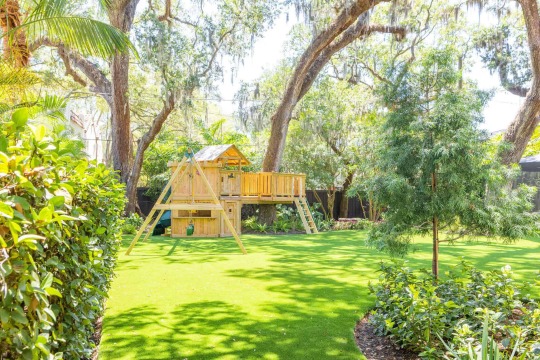
Creating a peaceful backyard that feels both natural and functional is a goal shared by many homeowners. A traditional sanctuary landscape blends soft greenery, strategic planting, and open space to offer a calm and timeless environment. The focus isn’t on extravagance but on creating a yard that feels personal, connected to nature, and easy to enjoy every day.
This kind of design encourages outdoor living while keeping maintenance manageable and aesthetics in line with the home’s architecture. Let’s take a closer look at how this approach shaped one property into a serene retreat.
The Vision: Nature Meets Simplicity
The homeowners wanted more than just a manicured yard. They were looking for a setting that would feel like a quiet escape from the pace of daily life. Their goals were privacy, low noise, and natural beauty—without making the yard feel boxed in or overly modern.
To accomplish this, the design approach was rooted in balance: balancing soft and structured elements, privacy and openness, and greenery with usable space.
The front of the home was kept neat and open to highlight its architecture. Meanwhile, the backyard was transformed into a soft, green hideaway with shade, privacy, and functional areas for both movement and rest.
Blending Function and Beauty in the Front Yard
The front yard played an important role in the overall flow of the landscape. A clean and welcoming entry was created by using small trees, shrubs, and a modest planting design. The concept here was to let the home be the main visual element while the plants offered a subtle frame.
Nothing flashy or overwhelming was added—just native greens and smart spacing to ensure the front felt open and connected to the street.
Creating a Private Backyard Oasis
The transformation really unfolded in the backyard. The clients wanted this area to feel enclosed and peaceful without using large walls or heavy fencing. This called for a more natural solution.
One key feature was the installation of mature palm trees around the pool area. These weren’t just decorative—they were essential to privacy. However, placing full-grown palms in a small area came with challenges. Their root systems, height, and spacing had to be carefully considered to avoid crowding and ensure long-term health.
Despite the tight layout, the palms were successfully installed in a way that provided shade, blocked outside views, and added a soft tropical feel.
Respecting the Roots: Turf Around Oak Trees
One of the most delicate aspects of the project was installing turf in a backyard that already had large oak trees. Oaks are known for their surface roots, which can easily be damaged by heavy installations or improper soil layering.
To protect the trees, the turf design was tailored around each trunk. The materials used allowed for air and water movement, helping the trees stay healthy while giving the space a smooth and usable green surface.
The turf created a clean look while being soft underfoot—perfect for walking, playing, or simply sitting outside.
Layering Plants for a Sense of Enclosure
Instead of using tall fences or walls for privacy, the design relied on natural layering. This method involves placing taller trees in the back, medium-sized shrubs in the middle, and shorter plants at the front.
This tiered system works well for both privacy and sound control. It allows air to flow, supports local birds and insects, and keeps the space feeling natural rather than closed in.
The added benefit is visual interest. As you walk through the yard, your eye follows the curves and layers, rather than hitting a solid block or barrier.
Creating Spaces to Use and Enjoy
A sanctuary landscape isn’t just for looking—it’s for living. With that in mind, the backyard was arranged in zones. There was room for quiet seating, open turf for movement, and shaded areas for rest. The flow from one zone to another was made simple and unobstructed.
Materials were chosen for comfort and ease. Turf instead of grass helped reduce upkeep. Paved paths blended into the landscape without standing out. The end result was a space that supports everyday use without requiring constant attention.
Sustainability Through Smart Design
Another benefit of this approach is sustainability. The plants used in the project were mostly native or well-suited to the climate, meaning they needed less water and were more likely to thrive over time.
By protecting the trees, reducing lawn maintenance, and creating lasting plant arrangements, the sanctuary design promotes health for both the landscape and its residents.
FAQ
What is the goal of a traditional sanctuary landscape?
The goal is to create a peaceful, natural space that blends with its surroundings. It focuses on balance, comfort, and ease rather than flashy or modern trends.
Can large trees be added to small areas for privacy?
Yes, with careful planning. Mature trees like palms can offer privacy and beauty in tight spaces if installed properly and given room to grow.
How do you protect oak trees when installing turf nearby?
Use breathable turf systems, leave space around trunks, and avoid compacting the soil. This ensures the trees remain healthy while still allowing turf installation.
Is natural privacy better than using a fence?
In many cases, yes. Layered plants can offer the same privacy while adding texture, supporting wildlife, and improving air movement.
What makes a yard feel like a sanctuary?
A mix of soft greenery, gentle layout, shaded areas, and quiet spaces. It’s about creating a retreat that feels personal and calm.