
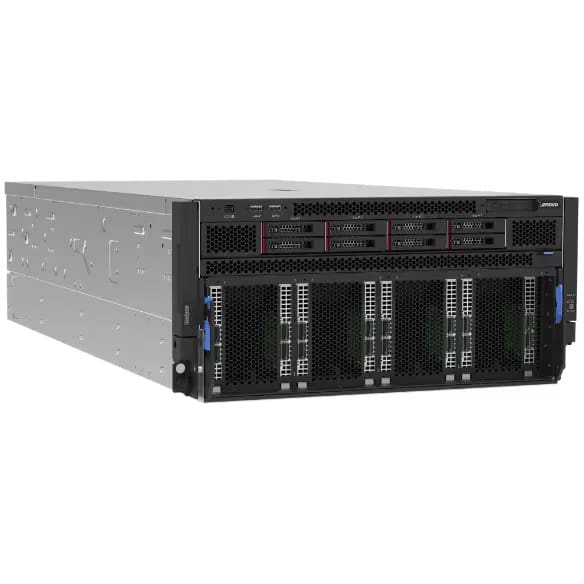
Data centers face real challenges every single day. Your business needs reliable computing power, but traditional setups often create problems. Rack servers step in as the solution to multiple infrastructure headaches that slow down operations and drain budgets. These powerful machines fit neatly into a standardized server rack and deliver performance that standalone servers simply cannot match. The design philosophy behind these servers focuses on removing barriers that hold businesses back. You get better efficiency and stronger reliability when you switch to rack infrastructure.
Space constraints disappear, and cooling becomes manageable. Your IT team gains the ability to scale operations without rebuilding everything from scratch. This technology transforms how organizations approach their computing needs and solves problems that seemed impossible just years ago.
1. Space Consumption That Eats Your Server Room
Traditional tower servers take up massive amounts of floor space. Each unit stands alone and requires its own footprint in your facility. Your server room quickly becomes crowded and difficult to navigate. Rack servers solve this problem through vertical stacking. You can mount multiple servers in a single server rack unit, delivering higher rack density, better airflow optimization, and lower total cost of ownership. This approach maximizes your available space dramatically.
How Rack Density Changes Everything
A standard 42U rack holds dozens of servers in the same floor space that a few tower servers would occupy. The math works heavily in your favor. Your organization can expand computing capacity without renting additional space.
The vertical design means you use height instead of width. Your team walks through aisles easily and accesses equipment without obstacles.
2. Cooling Inefficiencies That Spike Energy Bills
Rack servers create predictable airflow patterns. When racks are arranged in the correct manner, hot and cold aisles are formed naturally, which is a feature of the HVAC system used in the building, with the specific area cooling instead of the overall room being cooled equally.
The contained environment means less wasted energy. You direct cold air exactly where servers need it most. Heat exhaust follows a clear path out of the facility. Your power consumption drops significantly compared to traditional setups.
Modern rack designs include:
- Built-in ventilation channels.
- Optimized fan placement.
- Temperature monitoring sensors.
- Automated cooling adjustments.
With more data centers being dependent on rack servers, their market is continuously expanding. The total market share of data center rack servers is expected to surpass $247.09 billion by the end of 2032.
3. Power Distribution Problems That Create Bottlenecks
Individual servers need separate power connections. You run cables across the floor to each machine. The setup becomes messy and hard to maintain. Power strips multiply and create fire hazards.
Rack servers use centralized power distribution units. A single PDU feeds multiple servers efficiently. You reduce cable clutter by 80% or more. The system delivers electricity exactly where needed without waste.
Smart Power Management Features
PDUs designed for racks include monitoring capabilities. You track power consumption per server in real time. Your team identifies which machines draw too much electricity. Budget planning becomes accurate when you have concrete usage data.
4. Maintenance Access Issues That Waste Technician Time
Rack-mounted systems offer front and rear access. Your team slides servers out on rails without disconnecting cables. Swapping failed components takes seconds instead of minutes.
The standardized design means technicians know exactly where everything sits. Training new staff becomes faster. Everyone follows the same procedures regardless of which rack they service.
Quick maintenance translates to:
- Less downtime for critical systems
- Lower labor costs per repair
- Faster response to hardware failures
- Improved team efficiency
5. Scalability Barriers That Limit Growth
Traditional infrastructure requires major renovations when you expand. You need more floor space and additional cooling capacity. Electrical systems demand upgrades. The process takes months and costs enormous amounts.
Rack servers scale incrementally. You add one server at a time or fill an entire rack as needed. The modular approach means you pay for capacity as you grow. Small businesses start with partial racks and expand over the years. Enterprise operations fill multiple racks while maintaining consistency across the environment.
Planning Future Expansion Becomes Simple
Racks leave room for additional servers. You see available slots at a glance. Capacity planning involves counting empty rack units instead of measuring floor space. Your budget forecasts become more accurate.
6. Cable Management Chaos That Slows Everything Down
Rack systems include built-in cable management. Vertical and horizontal organizers keep wires neat. Color coding helps teams identify connections instantly. Your data center looks professional and functions better.
Clean cable routing prevents accidental disconnections. Technicians see exactly what connects where. Documentation stays current because the physical layout makes sense. Troubleshooting network issues becomes straightforward.
Benefits of organized cabling:
- Faster problem resolution
- Reduced human error
- Better airflow around equipment
- Professional appearance for audits
7. Redundancy Gaps That Risk Data Loss
Standalone servers operate independently. When one fails, your applications go offline. Building redundancy requires duplicate hardware scattered across the room. Keeping systems synchronized becomes complicated.
Rack infrastructure supports high-availability configurations naturally. You cluster multiple servers within the same rack. Failover happens automatically when problems occur. Your services stay online even during hardware failures.
- The proximity of rack-mounted machines enables faster data replication.
- Network latency drops to near zero between adjacent servers.
- Backup systems activate in milliseconds rather than seconds. Your users never notice brief interruptions.
Conclusion
Rack servers remove the infrastructure limits that prevent businesses from reaching their full potential. Your organization gains space efficiency and power management that standalone systems cannot provide. The transition to rack-based systems represents more than just new hardware. You adopt a philosophy of organization and efficiency that touches every aspect of your IT operations. Smart businesses recognize that infrastructure should enable growth rather than limit it. Rack servers deliver exactly that advantage.
