
Server downtime costs businesses thousands of dollars every minute. Your customers expect your services to run smoothly without interruption. In the past, server maintenance of the conventional type was such that the whole system had to be turned off simply to substitute a malfunctioning part. But these times are well and truly over.
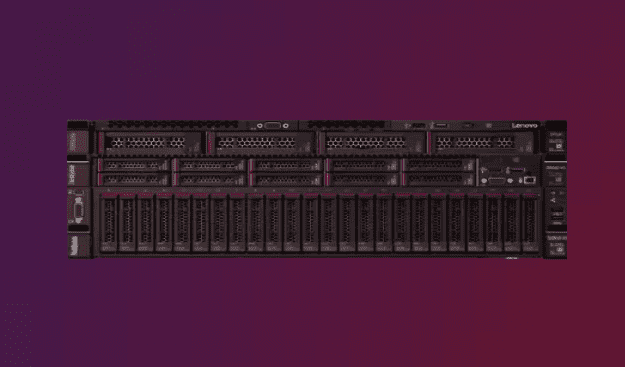
Hot-swap technology has changed everything about how we maintain rack servers. This innovation lets you replace failed parts while your servers keep running at full speed. You don’t need to schedule maintenance windows anymore. Your IT team can fix problems the moment they occur. The technology works like changing a tire on a moving car – except it’s actually safe and practical. To maintain the 99.999% reliability level, current-day data centers are made hot-swap capable.
Let’s talk in detail!
1. Power Supply Units Lead the Hot-Swap Revolution
Power supply units were among the first components to embrace hot-swap technology in a server rack environment, keeping your servers alive by converting AC power into DC power. A single PSU failure used to mean total system shutdown.
Modern rack servers come with redundant power supplies as standard equipment. You can pull out a failed PSU and slide in a new one within seconds. The remaining power supplies handle the full load during replacement.
Why Dual PSU Configuration Matters
At least two power supplies are included with every enterprise-grade rack server as a standard feature. This redundancy acts as a safeguard for your operations against unforeseen failures.. Here’s what makes dual PSU setups essential:
- Each PSU can handle 100% of the server load independently.
- Failed units trigger instant alerts to your monitoring system.
- Replacement takes less than 60 seconds with zero downtime.
- You gain protection against power circuit failures.
The system automatically redistributes power when you remove one unit. Your applications continue running without noticing any change.
2. Hard Drives and SSDs Enable Storage Flexibility
Storage drives fail more frequently than any other server component. Traditional systems required complete shutdowns for drive replacement. Hot-swap drive bays changed this painful reality forever.
You can swap failed drives while your RAID array keeps serving data. The controller recognizes the new drive immediately. Rebuilding starts automatically without human intervention.
- SATA and SAS drives both support hot-swap operations.
- NVMe drives offer the fastest hot-swap performance available.
- Drive carriers protect your hardware during installation.
- LED indicators show drive health at a glance.
With the global data center rack server market expected to surpass $247.09 billion by the end of 2032, zero-downtime maintenance is becoming a competitive necessity.
3. Cooling Fans Maintain Optimal Temperature Control
Server cooling fans run constantly under heavy loads. These fans eventually wear out from continuous operation. Hot-swap fan modules let you maintain proper cooling without downtime.
Each server rack uses multiple fans for redundancy. The remaining fans increase speed when you remove one unit. Temperature stays within safe limits during replacement.
Smart Fan Management Systems
Modern servers monitor fan performance in real-time. The system alerts you before complete fan failure occurs. This proactive approach prevents overheating emergencies:
- Sensors track RPM and airflow continuously
- Redundant fans maintain cooling during replacement.
- Front-access panels simplify fan module changes.
- Automatic speed adjustment compensates for missing fans.
- Hot-swap bays align perfectly for quick installation.
4. Network Interface Cards Prevent Connectivity Loss
Network connectivity keeps your servers useful to the world. A failed NIC used to mean disconnecting the entire server. Hot-swap network cards eliminate this vulnerability completely.
Your server typically has multiple NICs for redundancy. Network traffic automatically fails over to healthy interfaces. You can replace the dead card while data keeps flowing.
- Redundant network paths maintain connectivity.
- Automatic failover happens in milliseconds.
- PCI Express hot-plug technology enables live replacement.
- Link aggregation balances traffic across multiple NICs.
The operating system detects the new card automatically. Network services resume on the replaced interface. Your users experience no service interruption at all.
5. RAID Controllers Protect Your Data Infrastructure
RAID controllers manage your entire storage subsystem. These cards rarely fail but need replacement when they do. Hot-swap RAID controllers use battery-backed cache for safety.
The cache preserves unwritten data during controller replacement. You can swap controllers without losing a single byte. Your arrays remain online throughout the process.
- Battery backup units maintain a cache for hours.
- Redundant controllers provide continuous array access.
- Configuration transfers automatically to replacement units.
- Write-back caching continues without interruption.
Your storage performance never drops during replacement. Applications continue reading and writing data normally. The new controller assumes all responsibilities seamlessly.

6. Memory Modules Support Mission-Critical Applications
Server memory can develop errors over time. Hot-swap RAM technology lets you replace failed modules live. Advanced memory mirroring makes this possible.
The system mirrors data across multiple memory banks. You can remove failed modules from inactive banks. Mirrored data keeps your applications running smoothly.
Advanced Memory Protection Features
Enterprise servers include sophisticated memory protection. These features work together to enable hot-swap operations:
- Memory mirroring duplicates data in real-time.
- Spare bank activation happens automatically.
- Error correction detects problems before failure.
- Hot-add memory increases capacity without reboot.
Not all servers support hot-swap memory yet. Check your hardware specifications carefully. This feature requires specific chipset support and configuration.
7. Management Modules Keep Control Available
Remote management modules give you eyes and hands inside servers. These cards provide KVM access and hardware monitoring. Hot-swap management modules ensure you never lose control.
Your server maintains basic management through backup interfaces. You can replace the primary management card safely. Full functionality returns when installation completes.
- Redundant management processors maintain access.
- Out-of-band management stays active always.
- Remote console access continues uninterrupted.
- Sensor monitoring persists during replacement.
- Automatic failover protects critical functions.
Conclusion
Hot-swap technology transformed rack server maintenance from a nightmare into a routine task. These seven systems work together to deliver true 24/7 uptime. Investing in servers with comprehensive hot-swap capabilities pays dividends immediately. Your IT team gains flexibility while your users enjoy uninterrupted service. The technology has matured beyond early adoption into standard practice. Every modern data center relies on hot-swap systems daily. Your infrastructure deserves the same level of resilience and reliability.
