
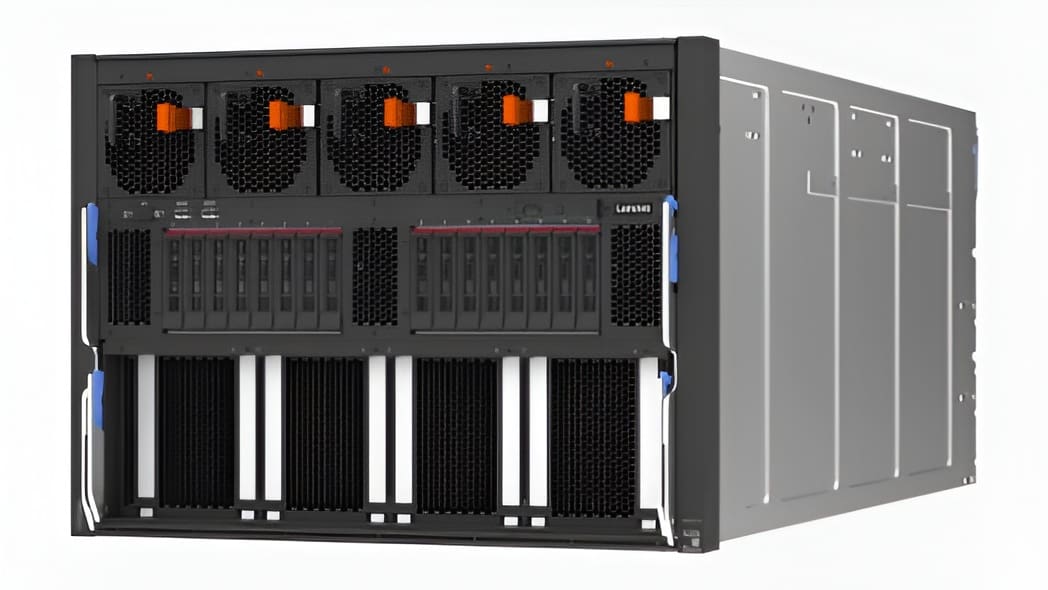
High-speed rack-mount servers need precise timing to function properly. Every component inside these powerful machines must work in perfect harmony. Clock distribution systems make this synchronization possible. They deliver timing signals to processors and memory modules, and network interfaces across the server. Without proper clock distribution, the entire system would fail within milliseconds.
Modern data centers rely on these servers to process millions of transactions every second. The clock distribution design determines how fast and how reliably your server performs. Engineers spend countless hours perfecting these systems because even a tiny timing error can crash critical applications.
This article explores seven proven clock distribution designs that keep high-speed servers running at peak performance. You’ll discover how each design solves specific timing challenges in today’s demanding server environments.
1. Star Topology: The Classic Approach
Star topology remains popular in server design for good reason. This design sends clock signals from one central source to all components. It assists rack mount servers in maintaining consistent timing across all critical components while minimizing skew and simplifying signal integrity management. The central clock generator sits at the heart of the system. Individual traces run from this point to each receiving component.
Benefits of Star Configuration
The star approach offers several advantages:
- Simple troubleshooting process.
- Easy signal quality monitoring.
- Predictable timing characteristics.
- Lower design complexity.
Engineers prefer this method when building rack servers with moderate speed requirements. The design works well for systems running at frequencies below 2 GHz. Each trace length stays relatively short, which minimizes signal degradation.
2. Tree Distribution: Scaling Up Performance
Tree distribution builds upon the star concept with additional layers. The main clock source feeds multiple buffer chips. These buffers then distribute signals to groups of components. Think of it as branches growing from a trunk.
This design handles higher component counts efficiently. Large server rack mounts often house dozens of processors and hundreds of memory modules. The tree structure reduces the load on any single buffer chip.
Key advantages include:
- Better signal integrity at high speeds.
- Reduced electromagnetic interference.
- Lower power consumption per endpoint.
- Improved scalability options.
The tree topology shines in servers running between 2 GHz and 5 GHz. Most enterprise-grade systems use some variation of this design.
With the global rack server market expected to surpass $247.09 billion by the end of 2032, rack server mounts are becoming the standard foundation for modern data center infrastructure.
3. H-Tree Distribution: Balanced Precision
The H-tree design takes symmetry seriously. It creates perfectly balanced signal paths to all destinations. Engineers draw this layout to resemble the letter H when viewed from above.
Why Balance Matters
Equal path lengths mean equal propagation delays. Every component receives its clock signal at exactly the same moment. This precision becomes critical in high-performance computing applications.
Manufacturing this design requires careful attention:
- Trace lengths must match within micrometers.
- Board layers need precise alignment.
- Component placement follows strict rules.
- Routing demands advanced PCB tools.
Servers using H-tree distribution can run at speeds exceeding 10 GHz. The design costs more but delivers unmatched timing accuracy.
4. Mesh Network Distribution
Mesh networks create redundant clock paths throughout the server. Multiple clock sources work together rather than relying on one generator. Each source can communicate with its neighbors.
This approach brings several benefits:
- Automatic failover capability.
- Reduced single points of failure.
- Dynamic load balancing.
- Self-healing characteristics.
The mesh design suits mission-critical servers that cannot afford downtime. Financial trading systems and healthcare databases often use this topology. The redundancy adds cost but provides peace of mind.
5. Daisy Chain: Sequential Distribution
Daisy chain distribution passes clock signals from component to component sequentially. The first device receives the signal and retransmits it to the next. This pattern continues until reaching the final component.
This simple approach works well for specific applications:
- Memory module arrangements.
- Peripheral device chains.
- Debug and test equipment.
- Low-cost server builds.
The main limitation involves cumulative jitter. Each retransmission adds tiny timing errors. These errors accumulate along the chain. Engineers limit daisy chains to ten or fewer devices for this reason.
6. PLL-Based Synchronous Distribution
Phase-locked loops bring sophistication to clock distribution. Each subsystem contains its own PLL circuit. These circuits lock onto a reference frequency from the main source.
Advanced Timing Control
PLL-based systems offer unique capabilities:
- Frequency multiplication options
- Phase adjustment features
- Jitter cleaning functions
- Independent clock domains
Modern processors already include PLL circuits internally. The distribution system leverages these existing components. This design supports multi-processor servers running at different clock speeds simultaneously. Graphics cards and network adapters can each operate at optimal frequencies.
7. Hybrid Distribution Systems
Real-world servers often combine multiple distribution methods. A hybrid approach uses different topologies for different subsystem requirements. The processor cluster might use H-tree distribution while peripheral devices use daisy chains.
Smart hybrid designs deliver:
- Optimized performance per subsystem.
- Cost-effective implementation.
- Flexibility for future upgrades.
- Targeted solutions for specific challenges.
System architects choose hybrid methods for complex rack mount servers. These machines integrate processors, storage, networking, and accelerators. Each component type has different timing needs. The hybrid approach satisfies all requirements without over-engineering any single part.
Conclusion
Clock distribution designs form the invisible backbone of high-speed rack mount servers. The seven approaches covered here each solve different engineering challenges. Star and tree topologies provide solid foundations for most applications. H-tree designs deliver precision for demanding workloads. Mesh networks ensure reliability when failure is not an option. Daisy chains offer simplicity for specific use cases. PLL-based systems enable flexible multi-speed environments. Hybrid implementations combine the best features from multiple methods.
Choosing the right server rack mount design depends on your performance requirements, budget constraints, and reliability needs. Understanding these options helps you build better server infrastructure. The next time you walk past a server rack, remember the sophisticated timing systems working inside. These designs keep our digital world running smoothly, second after second.