

Ever wondered how much time your business loses to manual attendance tracking? Are you tired of dealing with buddy punching, inaccurate timesheets, or the endless admin headaches that come with outdated systems? What if there was a smarter, more reliable way to manage your workforce?
Biometric time and attendance systems are rapidly becoming the go-to choice for Australian businesses looking to streamline their operations. These clever systems use unique physical characteristics—like fingerprints or facial features—to verify employee identity and track working hours. Gone are the days of lost swipe cards, forgotten PINs, or employees clocking in for their mates. With biometric technology, you get accurate, tamper-proof attendance data every single time.
In this guide, we’ll walk you through five proven strategies for implementing biometric time and attendance systems in your workplace. You’ll discover how to choose the right technology, address privacy concerns, integrate with your existing payroll systems, plan a smooth rollout, and measure your success. Whether you’re running a small café in Melbourne or managing multiple construction sites across Sydney, these strategies will help you make the switch with confidence.
Strategy 1: Choose the Right Biometric Technology for Your Workplace
Fingerprint vs. Facial Recognition: Which Works Best?
When it comes to biometric time and attendance systems options, fingerprint scanners and facial recognition are the most popular choices for Australian workplaces. Fingerprint systems are cost-effective, widely tested, and incredibly reliable. They’re perfect for office environments where employees have clean, dry hands.
Facial recognition, on the other hand, offers a contactless experience—brilliant for hygiene-conscious industries like healthcare or food service. It’s also ideal for environments where workers might have dirty or gloved hands. The catch? Facial recognition systems typically cost a bit more upfront.
How Do Biometric Time Clocks Work?
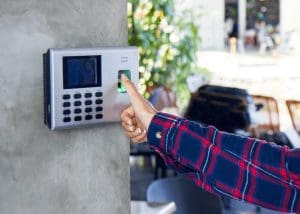
Biometric time clocks capture and store a digital template of an employee’s unique physical feature. When someone clocks in, the system compares their live scan against the stored template. If there’s a match, the system records their attendance automatically. It’s quick, accurate, and virtually impossible to fake.
Matching Technology to Your Industry and Environment
Consider your specific workplace conditions. In dusty warehouses or outdoor construction sites, fingerprint scanners might struggle with dirty hands. For these environments, facial recognition or even iris scanning could work better. Think about lighting conditions, temperature variations, and how many employees need to clock in simultaneously during shift changes.
Strategy 2: Address Employee Privacy Concerns Head-On
Are Biometric Time Clocks Legal in Australia?
Yes, biometric time clocks are legal in Australia, but you must comply with privacy legislation. The Privacy Act 1988 classifies biometric data as “sensitive information,” meaning you need explicit consent from employees before collecting it. Different states may have additional requirements, so it’s worth checking your local regulations.
How to Communicate Changes to Your Team
Transparency is absolutely key here. Before implementing any biometric system, sit down with your team and explain why you’re making the change. Highlight the benefits—like accurate pay, faster clock-ins, and elimination of time theft. Address their concerns directly and honestly.
Building Trust Through Transparency and Compliance
Make sure your privacy policy clearly outlines how biometric data will be stored, who can access it, and how long you’ll keep it. Many employees worry their fingerprints might be shared or misused. Reassure them that modern systems store encrypted templates, not actual fingerprint images. Plus, this data stays securely on your premises or with your trusted provider.
Strategy 3: Integrate with Your Existing Payroll and HR Systems
What Is a Biometric Attendance System and How Does It Connect to Payroll?
A biometric attendance system automatically captures clock-in and clock-out times using employee biometrics. The real magic happens when this data flows directly into your payroll software. No more manual timesheet entry, no more calculation errors, and no more pay disputes.
Modern systems connect seamlessly with popular Australian payroll platforms like MYOB, Xero, and KeyPay. This integration means attendance data updates in real-time, making payroll processing a breeze.
Avoiding Common Integration Pitfalls
Before purchasing any system, verify compatibility with your existing software. Ask vendors about API connections and data export options. Don’t assume everything will work together automatically—test the integration thoroughly during your trial period. Getting IT support involved early can save you massive headaches down the track.
Streamlining Workforce Management Across Multiple Sites
For businesses operating across several locations, cloud-based biometric systems offer centralised management. You can monitor attendance across all sites from a single dashboard, compare productivity metrics, and identify staffing issues before they become problems.
Strategy 4: Plan for a Phased Rollout and Staff Training
Creating a Realistic Implementation Timeline
Rushing implementation is a recipe for disaster. Start with a pilot program in one department or location. Iron out any issues before expanding company-wide. A typical rollout might take 4-8 weeks, depending on your organisation’s size and complexity.
Training Employees to Use Biometric Systems Confidently
Good training makes all the difference. Show employees exactly how to use the system, what to do if it doesn’t recognise them, and who to contact for help. Consider creating simple visual guides or short video tutorials. When people feel confident using the technology, adoption rates soar.
Strategy 5: Monitor, Measure, and Optimise Performance
What Are the Benefits of Biometric Time and Attendance Systems?
The benefits are substantial. You’ll see improved accuracy in attendance records, reduced administrative workload, and elimination of buddy punching. Many Australian businesses report payroll processing time dropping by 50% or more. Staff accountability improves, and you gain valuable insights into workforce patterns.
Key Metrics to Track After Implementation
Biometric time and attendance systems uptime and reliability closely. Track how long authentication takes and whether employees experience false rejections. Compare overtime costs before and after implementation. Look at payroll error rates and the time saved on administrative tasks.
Addressing Buddy Punching and Time Theft for Good
Biometric systems effectively eliminate buddy punching—where one employee clocks in for another. According to industry estimates, time theft costs Australian businesses millions annually. With biometrics, only the actual employee can clock in, making time theft virtually impossible.
Taking the Next Step Towards Smarter Workforce Management
Implementing a biometric time and attendance system represents a significant step forward for any Australian business. From choosing the right technology to addressing privacy concerns, integrating with payroll, planning your rollout, and measuring success—each strategy builds upon the last to create a comprehensive approach.
The key takeaway? Don’t rush the process. Take time to select appropriate technology, communicate openly with your team, and invest in proper training. The upfront effort pays dividends through improved accuracy, reduced admin burden, and eliminated time theft.
Ready to transform how you track attendance? Start by assessing your current pain points and researching providers who understand Australian workplace requirements. Your future self—and your payroll team—will thank you for making the switch.
