
Introduction
Nail care is a key part of personal grooming, yet people often overlook it or do it. Healthy nails not only enhance appearance but also protect the fingertips and contribute to overall hygiene. Unfortunately, many people make mistakes in their nail care routines that can lead to brittle nails, infections, or long-term damage. When you understand these common errors and learn how to avoid them, you can maintain strong, attractive nails that reflect good health and self-care.
Overuse of Harsh Nail Products
One of the most damaging habits is the excessive use of harsh nail products. Acetone-based removers strong polishes, and chemical-heavy treatments can strip nails of their natural oils and leave them dry and brittle. Over time, this has a weakening effect on the nail structure and makes them prone to splitting or breaking. To avoid this, choose gentler alternatives whenever possible. Non-acetone removers, nourishing nail polishes, and hydrating cuticle oils can help maintain balance. Also, giving your nails a “rest period” without polish allows them to recover.
Harsh products don’t just affect the nails—they can also irritate the surrounding skin. Redness, peeling, and dryness around the cuticles are common side effects. A healthier approach involves using moisturizing creams and oils to restore hydration. By reducing reliance on strong chemicals, you’ll notice improved nail strength and smoother cuticles over time.
Improper Filing Techniques
Filing nails may seem simple, but doing it can cause long-term damage. Many people file back and forth in a sawing motion, which frays the nail edges and leads to splitting. The correct method is to file in one direction using a fine-grit file. This keeps the nail edge smooth and reduces the risk of cracks.
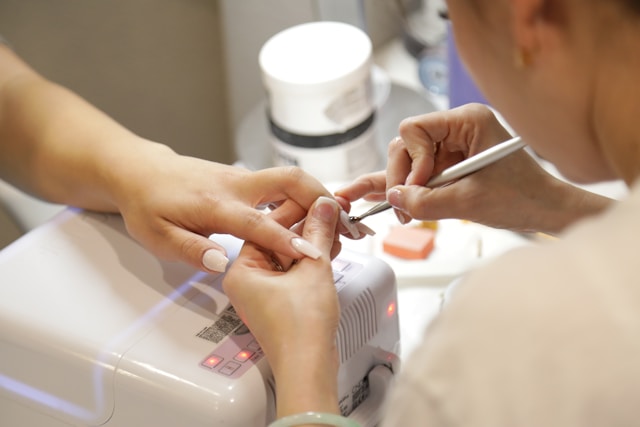
Professional manicures often use tools like diamond bits to shape and refine nails with precision. These specialized tools minimize friction and provide a cleaner finish, reducing the likelihood of damage. At home, investing in a quality file and practicing proper technique can make a significant difference. Filing should always be gentle—forcing the file against the nail can weaken its structure.
Another mistake is filing nails too short or into unnatural shapes. Nails should be shaped to complement the natural curve of the fingertip, which helps maintain strength. Over-filing can expose sensitive areas and increase the risk of painful breaks. Adopt careful filing habits, and you’ll preserve nail health and achieve a polished look.
Ignoring Cuticle Care
Cuticles act as a protective barrier against bacteria and infection, yet they are often neglected or mistreated. Many people cut their cuticles too or push them back without proper preparation, leading to irritation and potential infections. Instead, you should soften cuticles with warm water or cuticle oil before pushing them back.
Regular moisturization of cuticles is crucial to prevent dryness and painful hangnails. A simple routine of applying cuticle oil or cream can keep them supple and healthy. Avoid cutting cuticles altogether—trimming should be done when necessary and with sterilized tools.
Healthy cuticles not only protect the nail bed but also enhance the overall appearance of the nails. When cuticles receive proper care, nails grow stronger and look more polished. Ignoring this small but essential part of nail care can lead to recurring problems that are preventable with consistent attention.
Skipping Hygiene Between Manicures
Another common mistake is neglecting hygiene between manicures. Tools such as clippers, files, and buffers can harbor bacteria and fungi if not sanitized. Using contaminated tools increases the risk of infections, which can cause discoloration, pain, and long-term nail damage.
At home, always clean tools after each use with disinfectant or alcohol. In salons, make sure instruments are sterilized, or think about bringing your own. Hygiene also extends to the nails themselves—washing hands and keeping nails free of dirt reduces the risk of bacterial buildup.
Skipping hygiene doesn’t just affect nail health; it has an impact on overall well-being. Infections can spread beyond the nails and cause discomfort in daily life. When you prioritize cleanliness, you protect both your nails and your health and make sure that manicures remain a safe and enjoyable part of your routine.
Using Nails as Tools
Nails are not designed to function as tools, yet many people use them to open cans, peel off stickers, or pry objects. This habit has an unnecessary strain on nails, leading to cracks, chips, and painful breaks. Over time, repeated misuse weakens nails and makes them more susceptible to damage.
Instead of relying on nails for tasks, use appropriate tools such as openers, tweezers, or scissors. Protecting nails from unnecessary pressure helps them remain strong and attractive. This simple adjustment in daily habits can improve nail health.
Using nails as tools also has an increased impact on the risk of injury to the nail bed and surrounding skin. Painful breaks can expose sensitive areas and make nails vulnerable to infection. By treating nails with care and avoiding misuse, you’ll preserve their strength and maintain a polished appearance.
Conclusion
Nail care goes beyond appearance—it maintains strength, hygiene, and long-term health. Overusing harsh products, neglecting cuticles, skipping hygiene, and using nails as tools are five common mistakes that can harm nail health. When you adopt gentler practices, invest in proper tools, and prioritize cleanliness, you can avoid these problems and enjoy healthier, stronger nails. A mindful approach to nail care ensures that your hands always look and feel their best and reflect both confidence and self-care.