
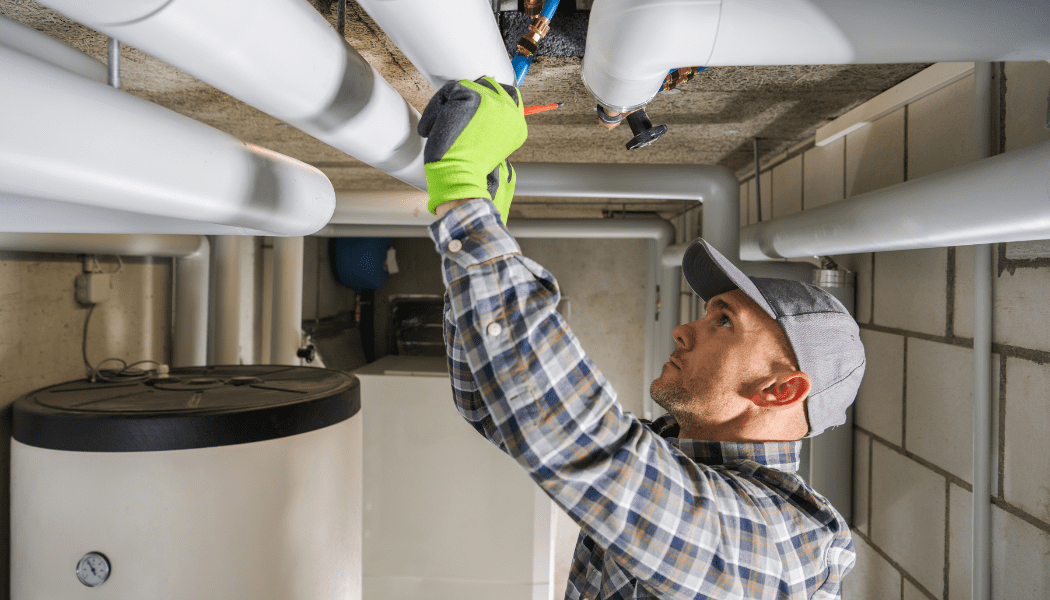
As a homeowner, you are the chief steward of your biggest investment. You dutifully clean the gutters, you give the walls a fresh coat of paint, and you dream of that new kitchen. We pour our time and money into the parts of our home we can see. But the most critical, valuable, and potentially destructive system in your entire house is the one you can’t see.
Your plumbing is the home’s circulatory system. It’s a complex, hidden network of pipes that delivers clean water and removes waste, all day, every day. It’s an “out of sight, out of mind” asset, which is exactly what makes it so dangerous. Ignoring this system doesn’t just lead to a small problem; it leads to a catastrophic, middle-of-the-night, bank-draining emergency.
A proactive investment in your plumbing is not an expense; it’s the single most powerful way to protect your home’s value and your own peace of mind. This is where a partnership with a professional plumbing service becomes a smart, financial strategy. You don’t just have to call them for emergencies; you can use their expertise for prevention.
Here are some of the smartest, most proactive investments you can make in your home’s plumbing.
1. A Sewer Camera Inspection
The Problem: The single most expensive and disruptive plumbing failure you can experience is a main sewer line backup. This pipe is your home’s only exit for all wastewater, and it’s completely buried in your yard. It’s susceptible to blockages from tree roots, collapses from old age (if you have clay or cast-iron pipes), or bellies from shifting soil.
The Proactive Investment: A sewer camera inspection is the only way to know the true condition of this critical pipeline. A plumber will feed a small, high-resolution camera into the line, giving you a real-time video tour of its entire length.
The ROI (Return on Investment): This inspection is the look before you leap. It can spot a small, growing tree root intrusion that can be cleared out with a high-pressure jetter for a few hundred dollars. If you ignore it, that small root ball will grow until it creates a full-blown, raw sewage backup into your home—a $10,000+ catastrophe that involves a ruined basement, contaminated floors, and a front yard excavation.
2. A Water Heater Tune-Up
The Problem: A water heater is a zero-to-disaster appliance. It works perfectly every day… until the day it doesn’t. The average tank water heater has a lifespan of 8-12 years. Most homeowners wait for it to fail, which always means two things: a cold shower and a flood.
The Proactive Investment: An annual service call from a plumber is a simple, high-value health check. The technician will:
- Flush the tank to remove the mineral sediment that builds up at the bottom. This sediment is the sickness of a water heater—it acts as an insulator, forcing the burner to work harder (costing you money) and causing the tank to rust from the inside out.
- Check the anode rod. This rod is designed to corrode, so your tank doesn’t. A plumber can check its condition and tell you the real remaining life of your tank.
The ROI: The annual flushing makes your heater run more efficiently, saving you money on your gas or electric bill every single month. As the U.S. Department of Energy points out, regular maintenance is key to efficiency. More importantly, it turns a $2,000 emergency replacement into a calm, planned purchase that you can schedule on your own terms.
3. A Water Pressure Check
The Problem: You might love your high-pressure shower, but high water pressure is a silent killer for your entire plumbing system. Municipal water pressure that is too high (anything over 80 PSI) is putting a constant, violent strain on every single pipe, joint, and appliance in your house.
The Proactive Investment: Ask your plumber to perform a simple, five-second water pressure test. If it’s too high, they can install a pressure reducing valve (PRV) where the water line enters your home.
The ROI: This single, relatively inexpensive device is a suit of armor for your plumbing. It protects the delicate solenoids in your dishwasher and washing machine. It prevents your toilet’s fill valve from failing. It dramatically reduces the risk of a pinhole leak in a copper pipe or a catastrophic failure of a washing machine supply hose. It’s a small investment that protects you from thousands in potential water damage.
4. Upgrading Your Fixtures
The Problem: Your old, 1980s toilets and showerheads are water hogs. That cute vintage fixture is literally flushing your money down the drain with every single use.
The Proactive Investment: A planned upgrade of your home’s fixtures—toilets, showerheads, and faucets—is an investment that pays you back.
The ROI: This is the most direct return you can get. Replacing an old toilet with a new, high-efficiency model can save a family of four thousands of gallons of water per year. The upgrade can often pay for itself in just a few years through the direct savings on your water bill, all while making your bathrooms more modern and functional.
Your home’s plumbing is a complex system that works hard for you 24/7. By treating it like a long-term asset to be maintained—not just a series of emergencies to be fixed—you are making a smart, responsible, and financially sound decision. A proactive partnership with a trusted plumber is the key to this peace of mind.