
In today’s construction and real estate industry, getting quick approval for projects is very important. Every delay in the approval process can cause major problems for developers. These delays can slow down construction, increase costs, and create frustration. That is why many developers now choose 3D visualization to help get their projects approved faster.
But what is 3D visualization, and why is it so useful? In this blog, we will explain everything clearly and in simple language. This way, anyone can understand how 3D visuals help developers and why more professionals are using them.
What Is 3D Visualization in Real Estate?
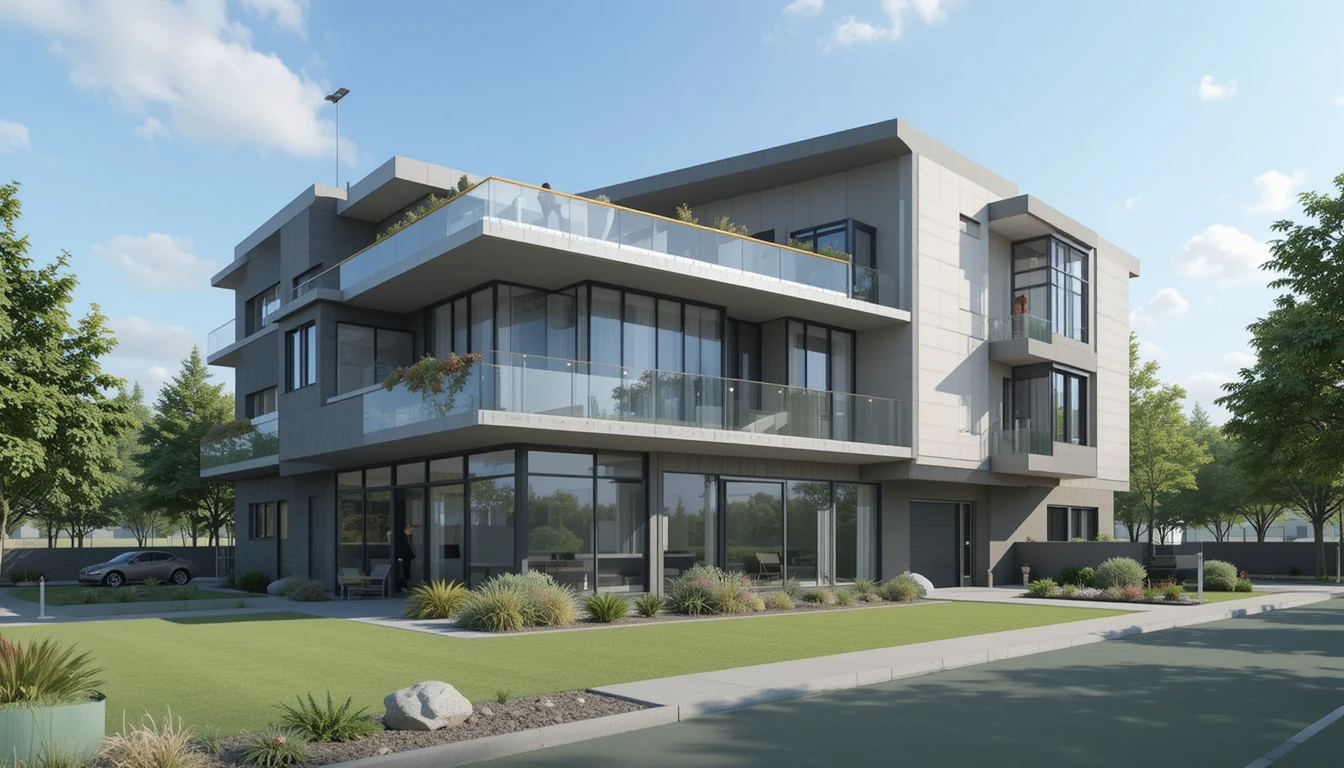
3D visualization is a way to create realistic images of buildings before they are built. These images or videos show what the building will look like from the outside and inside. Some even allow you to move around the building as if you are actually walking through it.
These visuals are made using computer software. The goal is to help people see and understand the full design in a way that is easy to imagine. Unlike 2D drawings or flat sketches, 3D renderings give a real-life view of the project.
Why Traditional Methods Slow Down Approvals
In many cases, developers present technical drawings or blueprints to city planning departments or approval boards. These documents are usually detailed, but they are not easy for everyone to understand. This often causes confusion or raises questions like:
- How will the building look in real life?
- Will it block sunlight or views?
- Will it match the neighborhood style?
When city officials or community members do not fully understand the design, they may delay the approval or request changes. This leads to extra meetings, long discussions, and sometimes redesigns. All of this slows down the process.
How 3D Visualization Helps Speed Up Approvals
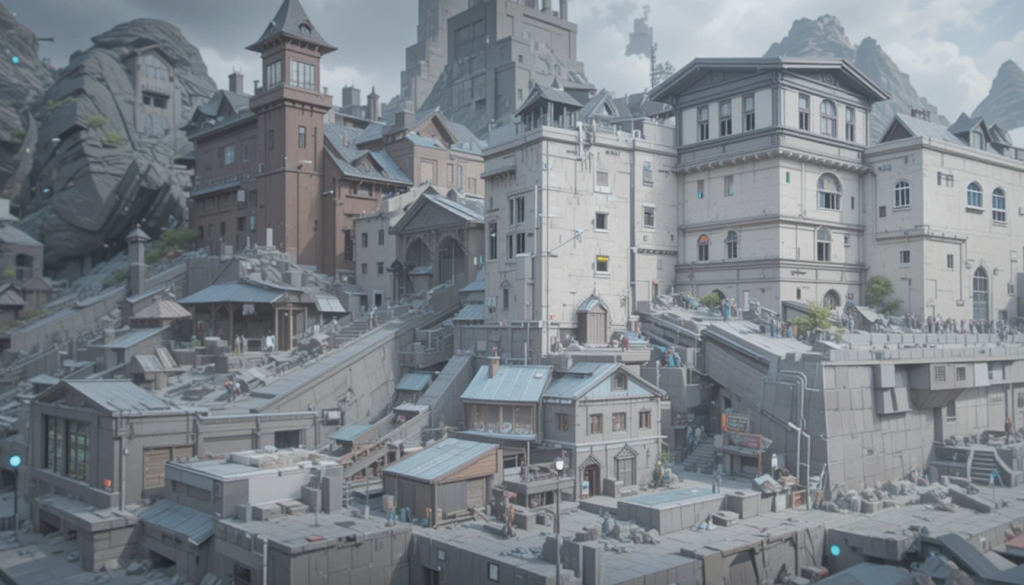
Now let’s look at how 3D visualization helps make the approval process faster and easier.
1. Clear Communication with City Officials
City planning committees must look at many projects. When a developer uses 3D images, the reviewers can quickly understand the design. They can easily see the building’s height, shape, color, and how it fits with nearby structures. This saves time because fewer questions need to be asked.
2. Easier to Understand for Non-Experts
Sometimes, local people or investors are also involved in the approval process. These individuals may not understand architectural plans. But when they see a 3D visual, they can understand the project in just a few minutes. This helps build trust and support for the project.
3. Solves Problems Before They Happen
3D rendering also allows developers to find and fix design issues early. For example, they can check:
- How sunlight falls on the building
- Whether the building looks too large for the area
- If there is enough space for parking or green areas
Finding these problems early helps avoid costly changes later. It also makes the approval process smoother because everything is already well-planned.
4. Shows the Building in the Real Environment
Another helpful feature is showing how the new building will look in its real surroundings. Developers can use real photographs and add the 3D model into the picture. This is called context modeling. It shows how the new building fits into the neighborhood.
This helps city officials and local people see that the design will not disturb the look or feel of the area.
Example: Faster Approval Using 3D Visualization
Let’s say a developer wants to build a new shopping center near a quiet neighborhood. If they only show blueprints, local people may worry about traffic, noise, or the size of the building.
But if the developer presents a 3D visual with cars, people, plants, and nearby homes shown clearly, everyone can see how the shopping center will look and how it will affect the area. This kind of clear presentation often leads to faster approval because it answers people’s questions before they even ask them.
Gives Developers a Competitive Advantage
Today, many cities and towns receive a lot of building proposals. Developers who use 3D visuals stand out from the crowd. Their projects look more professional, organized, and well-thought-out.
This can help in many ways:
- Faster approvals from local authorities
- Greater interest from investors or buyers
- Higher trust from local communities
- Less risk of costly redesigns
When developers use tools like 3D rendering, they show that they are serious and ready to build.
Works Well with Modern Planning Tools
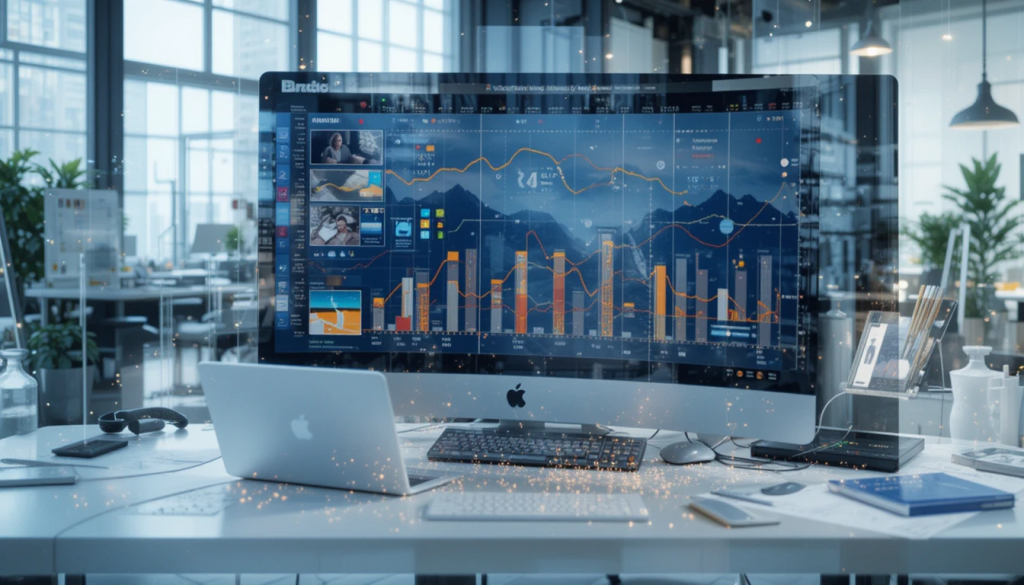
Modern 3D visualization tools can also work together with other design systems like BIM (Building Information Modeling). This means developers, architects, and engineers can all work on the same digital model. They can share updates, add changes, and review everything in real time.
This kind of teamwork helps reduce mistakes and keeps everyone on the same page.
Choosing the Right 3D Rendering Partner
If you are a developer and want to use 3D visualization, it is important to work with skilled experts. A good 3D rendering partner can create high-quality images that are not only beautiful but also accurate and realistic.
Look for companies that specialize in Architectural 3D rendering solutions and have experience with real estate development. They will understand the kind of visuals needed for project approvals and how to meet planning rules.
The better the visual, the easier it will be to explain your project to city planners, investors, and communities.
Final Thoughts
Getting project approval quickly is one of the most important steps in real estate and construction. Long delays can cause budget problems and slow down construction.
That is why more and more developers are choosing 3D visualization. It helps them:
- Explain their project clearly
- Avoid misunderstandings
- Solve problems early
- Gain support from local people
- Impress decision-makers and investors
If you are a developer working on a new project, consider using 3D visualization to save time, improve communication, and speed up approvals.